

 Persly Medical Team
Based on PubMed | Is it true that long-term daily use of turmeric is safe for people with hypertension, and are there any risks or interactions with blood pressure medications?
Daily turmeric/curcumin appears generally safe for many adults with hypertension and may modestly lower blood pressure, but it is not a substitute for prescribed therapy. Potential interactions include additive BP lowering with antihypertensives and increased bleeding risk with anticoagulants/antiplatelets; ARBs like losartan may see higher exposure (preclinical), while nifedipine showed no change in a small human study. Start with low doses, monitor home BP (and INR if on warfarin), and review use with your clinician.
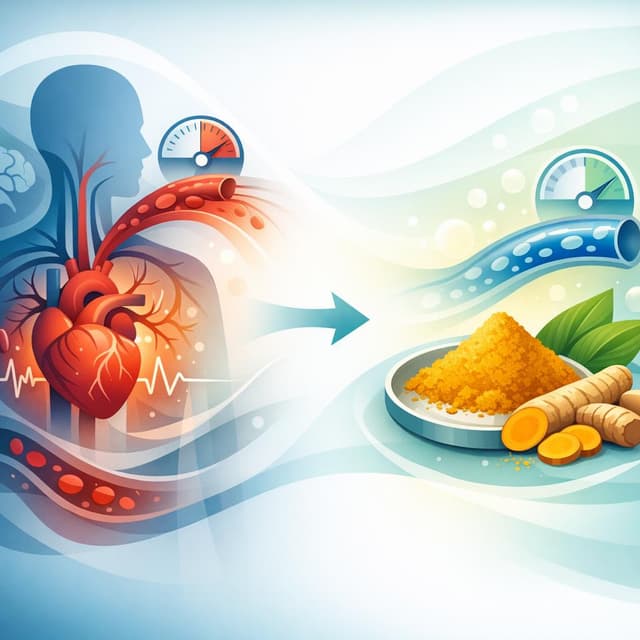
Long-term daily turmeric can be used by many adults with hypertension, but it should be approached thoughtfully. Evidence suggests turmeric/curcumin can modestly lower blood pressure and is generally well-tolerated at common supplemental doses, yet it may interact with some heart and blood-thinner medicines and occasionally cause side effects. If you take prescription antihypertensives or anticoagulants/antiplatelets, it’s wise to review turmeric use with your clinician and monitor blood pressure and bleeding risk more closely. [1] [2] [3]
What the evidence shows
-
🩺 Modest blood pressure benefit: A dose‑response meta‑analysis of 35 randomized trials found turmeric/curcumin supplementation lowered systolic blood pressure by about 2 mmHg and diastolic by about 0.8 mmHg on average, and improved endothelial function. These changes are small but potentially helpful as an adjunct, not a replacement, to prescribed therapy. [1] [1]
-
✅ General safety profile: Human studies report curcumin is typically safe at doses from about 0.5–4 g/day, with the most common issue being mild gastrointestinal upset. A phase 1 trial using up to 8 g/day for 3 months did not show toxicity, suggesting good short‑term tolerability, although such high doses aren’t necessary for most people. [4] [2]
-
🔬 Mechanistic interest in hypertension: Preclinical and translational reviews highlight curcumin’s vascular effects (anti‑inflammatory and antioxidant actions) as potentially beneficial in hypertensive vascular remodeling, though definitive long‑term clinical outcome trials are limited. In other words, benefits look promising, but large long‑term trials in people with hypertension are still needed. [5] [5]
Key interaction considerations
Even “natural” supplements can alter how drugs work. Turmeric/curcumin may affect drug metabolism enzymes and platelets, which can be relevant for blood pressure care.
-
🧬 Drug metabolism and transport
- Curcumin may influence CYP enzymes and P‑glycoprotein in experimental settings, which could alter exposure to some cardiovascular drugs. A rat study showed curcumin pre‑treatment increased plasma levels of losartan and its active metabolite; this raises the possibility of higher exposure in humans, though human confirmation is limited. [6] [6]
- In contrast, a human crossover study in healthy volunteers found standard-dose turmeric extract did not change the pharmacokinetics of nifedipine (a calcium channel blocker). This suggests not all antihypertensives are affected, and interactions may be drug‑specific. [7] [7]
-
🩸 Anticoagulants and antiplatelets
- Many botanicals with antiplatelet/anticoagulant properties can intensify the effect of warfarin and similar drugs, increasing bleeding risk; labels for warfarin emphasize more frequent INR checks when starting or stopping botanicals because standardization varies. Turmeric/curcumin has antiplatelet activity, so combining with warfarin or antiplatelets warrants cautious monitoring. [8] [3]
-
📉 Additive blood pressure lowering
Practical safety tips for people with hypertension
-
✅ Start low, go slow: Many supplements provide 250–1,000 mg/day of curcumin or standardized turmeric extract. Begin at the low end and assess tolerance, particularly if you are on blood pressure pills. [9] [2]
-
🧪 Monitor regularly: If you add turmeric/curcumin, check home blood pressure more frequently for the first few weeks to watch for lower-than-expected readings or symptoms like dizziness. [1] [5]
-
🩸 On blood thinners? Be extra cautious: If you take warfarin, monitor INR more often when starting, stopping, or changing the dose of turmeric/curcumin due to potential variability in botanical products and bleeding risk. Report any signs of bleeding (easy bruising, nosebleeds, black stools). [3] [8]
-
💊 Drug-specific vigilance:
- ARBs (e.g., losartan): Animal work suggests curcumin could raise drug levels; if you use losartan, consider checking blood pressure and, if available, chemistry (e.g., potassium/creatinine) after starting turmeric, and discuss with your clinician if readings shift. [6] [6]
- Calcium channel blockers (e.g., nifedipine): A small human study did not show an interaction with turmeric at common doses; still, individual responses can vary, so monitor blood pressure and symptoms. [7] [7]
-
🥘 Use with food: Taking turmeric/curcumin with meals may improve tolerance and absorption. Many people experience fewer stomach issues when dosing with food. [4] [2]
-
👀 Watch for side effects: Stomach upset, reflux, or diarrhea can occur. Stop and seek advice if you develop persistent GI symptoms, unusual bruising/bleeding, or significant drops in blood pressure (dizziness, fainting). [4] [2] [3]
Suggested dosing frameworks
-
Evidence-based supplement ranges commonly used in studies:
- Curcumin (standardized extract): about 250–1,000 mg/day in divided doses is frequently studied and generally well‑tolerated. [9] [4]
- Higher doses up to several grams/day have been used short‑term in trials but are usually unnecessary for routine wellness and may increase GI side effects. For long-term daily use, conservative dosing is sensible, especially with prescription medications. [2] [4]
-
Duration:
Balanced takeaway
-
For most adults with hypertension, daily turmeric/curcumin at modest doses appears generally safe and may slightly improve blood pressure and vascular function, serving as a complementary approach alongside standard care. [1] [5]
-
However, interactions are possible, particularly with specific antihypertensives (e.g., ARBs like losartan in preclinical data) and with anticoagulants/antiplatelets where bleeding risk and INR shifts must be monitored. Close observation of blood pressure and, when relevant, coagulation tests is recommended when starting or changing turmeric/curcumin. [6] [7] [3]
-
Given variability among products and individual responses, coordinate with your healthcare professional before long-term daily use if you take prescription blood pressure or blood-thinning medications. This approach helps you capture benefits while minimizing risks. [3] [1]
Related Questions
Related Articles


Sources
- 1.^abcdefgCurcumin/turmeric supplementation could improve blood pressure and endothelial function: A grade-assessed systematic review and dose-response meta-analysis of randomized controlled trials.(pubmed.ncbi.nlm.nih.gov)
- 2.^abcdefgSafety and anti-inflammatory activity of curcumin: a component of tumeric (Curcuma longa).(pubmed.ncbi.nlm.nih.gov)
- 3.^abcdef(dailymed.nlm.nih.gov)
- 4.^abcdefTurmeric and curcumin as adjuncts in controlling Helicobacter pylori-associated diseases: a narrative review.(pubmed.ncbi.nlm.nih.gov)
- 5.^abcdefBenefits of Curcumin in the Vasculature: A Therapeutic Candidate for Vascular Remodeling in Arterial Hypertension and Pulmonary Arterial Hypertension?(pubmed.ncbi.nlm.nih.gov)
- 6.^abcdePre-treatment with curcumin enhances plasma concentrations of losartan and its metabolite EXP3174 in rats.(pubmed.ncbi.nlm.nih.gov)
- 7.^abcdeEffects of turmeric extract on the pharmacokinetics of nifedipine after a single oral administration in healthy volunteers.(pubmed.ncbi.nlm.nih.gov)
- 8.^ab(dailymed.nlm.nih.gov)
- 9.^abSafety and Efficacy of Turmeric (Curcuma longa) Extract and Curcumin Supplements in Musculoskeletal Health: A Systematic Review and Meta-Analysis.(pubmed.ncbi.nlm.nih.gov)
Important Notice: This information is provided for educational purposes only and is not intended to replace professional medical advice, diagnosis, or treatment. Always consult with a qualified healthcare provider before making any medical decisions.