
 Persly Medical Team
Based on NIH | Is it true that people with gastritis should avoid spicy foods because they can irritate the stomach lining and worsen symptoms?
Spicy foods don’t universally injure the stomach lining or worsen gastritis, though they can trigger discomfort in some people. A personalized, symptom-guided approach is best; prioritize treating causes like H. pylori and limiting alcohol and NSAIDs, and adjust spice intake based on your tolerance.
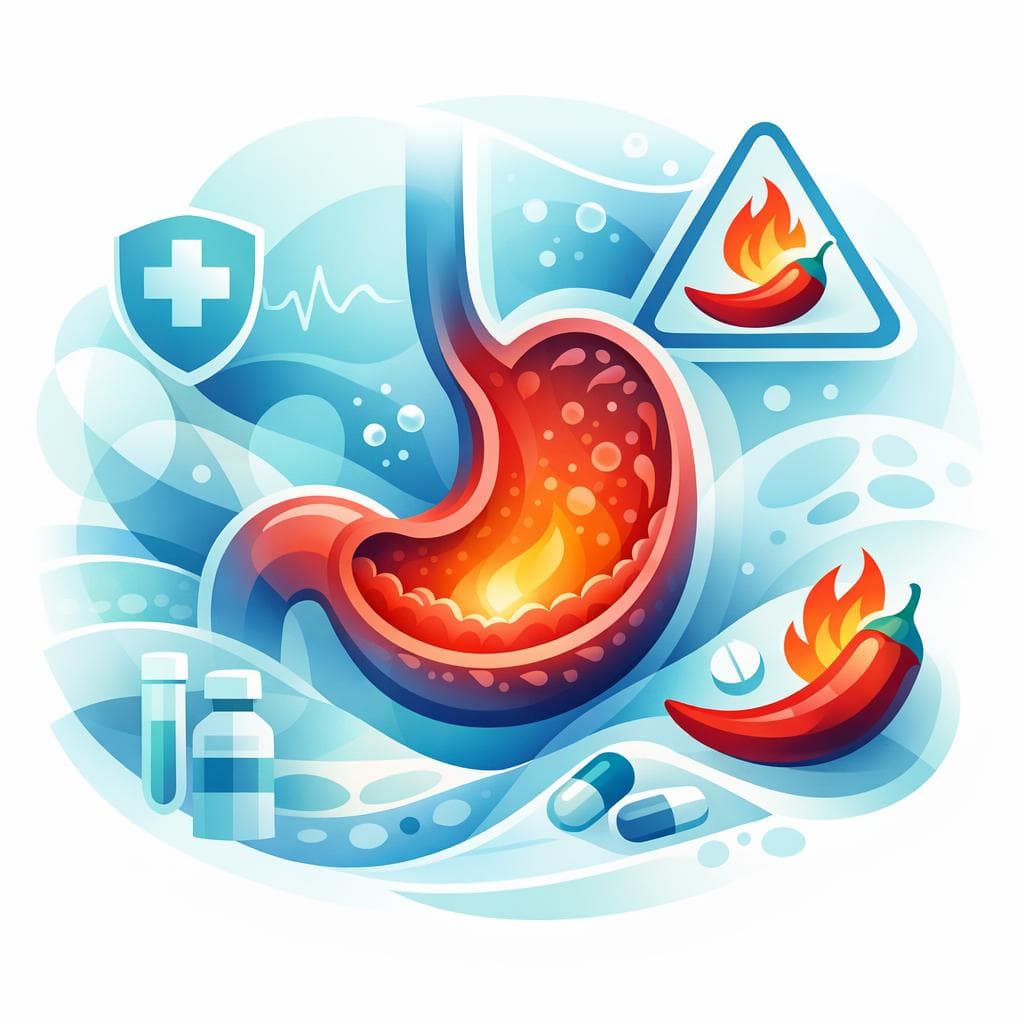
People with gastritis don’t always need to avoid spicy foods completely, but many find that spicy foods can trigger discomfort, so a personalized approach is best. Symptoms like upper abdominal pain, nausea, or burning may flare after spicy meals in some people, yet controlled studies show that spices (including capsaicin in chili peppers) do not typically cause visible stomach lining damage and may not universally worsen disease. [1] [2]
What gastritis is
Gastritis means inflammation of the stomach lining and can be acute (short-term) or chronic (long-term), often related to factors like H. pylori infection, alcohol, and certain pain relievers (NSAIDs). Symptoms may include loss of appetite, nausea, vomiting, and upper abdominal pain, and some people have no symptoms at all. [3] [4] [1] [5]
Do spicy foods irritate the stomach lining?
- Evidence in healthy volunteers has shown that even highly spiced meals (e.g., jalapeños) are not associated with endoscopic signs of stomach or duodenal injury, whereas aspirin clearly causes erosions. In trials using videoendoscopy, spicy meals had a median injury score of 0, while aspirin caused significant erosions. [2] [6]
- Separate human studies suggest chili/capsaicin can protect against aspirin-related mucosal damage. In one study, chili intake reduced aspirin-induced gastric injury scores compared with water. [7]
These findings indicate that spicy foods themselves do not usually produce structural gastric damage in humans. However, sensitivity varies, and some individuals experience dyspepsia (indigestion) or heartburn after spicy meals even without mucosal injury. [8] [9]
Do spicy foods worsen symptoms?
- Many clinical resources for dyspepsia and reflux note that spicy foods can trigger symptoms for some people, much like caffeine, alcohol, high-fat foods, and chocolate. These are practical, symptom-based recommendations rather than proof of tissue harm. [10] [11] [12]
- For peptic ulcer and gastritis aftercare, it’s commonly advised to avoid foods and drinks that cause discomfort including spicy items because they may provoke symptoms, not because they inevitably damage the stomach. Guidance emphasizes identifying and avoiding personal triggers. [13] [14]
Why the mixed message?
- Historically, bland diets were prescribed broadly for ulcers and gastritis. Modern evidence suggests restrictive “ulcer diets” are often unnecessary; spices like red or black pepper may provoke symptoms in some people but are not proven to delay healing, and some data suggest adaptive or protective responses. [8]
- Capsaicin can activate sensory nerves and may bring on earlier peak heartburn sensations in those prone to reflux, even if acid levels and gastric emptying don’t change. So spicy foods may amplify discomfort without worsening inflammation. [9]
- Conversely, in functional dyspepsia (indigestion without structural disease), moderate red pepper over several weeks reduced symptom scores versus placebo likely by desensitizing pain fibers. This illustrates that responses can be individualized and dose- and time-dependent. [15]
Practical takeaway
- Gastritis care focuses on addressing causes (e.g., H. pylori eradication, limiting alcohol and NSAIDs) and managing triggers. Alcohol and NSAIDs are well-established irritants to avoid or limit, while spicy foods are optional to restrict based on personal tolerance. [16] [17] [18]
- Many official resources suggest avoiding spicy foods if they cause you discomfort, but they do not require universal avoidance for all. Use a symptom-guided approach: if spicy meals flare your pain, nausea, or heartburn, cut back; if not, moderate use is often acceptable. [13] [12]
How to test your tolerance safely
- Try a “challenge” in a low-symptom period with milder spices (e.g., small amounts of chili or pepper) and avoid other confounders like alcohol, large meals, caffeine, and late-night eating the same day. If symptoms worsen, consider reducing spice intensity or frequency. [11] [12]
- Favor cooking methods and foods that are gentler on the stomach smaller, more frequent meals; lower fat; not lying down 3–4 hours after eating; and elevating the head of the bed if reflux is present. These habits can reduce symptom flares regardless of spice intake. [11] [19]
When to seek medical care
- If you have persistent upper abdominal pain, black/tarry stools, or vomiting blood, this needs urgent evaluation. These can signal bleeding or more serious problems and warrant prompt medical attention. [20] [18]
- If you are frequently symptomatic, ask about H. pylori testing and about reviewing NSAID use. Targeted treatment and medication adjustments often improve gastritis more than diet alone. [3] [17]
Bottom line
- Spicy foods do not universally injure the stomach lining or worsen gastritis for everyone. They frequently act as symptom triggers in some people, so it’s reasonable to limit them if they bother you, but routine, blanket avoidance is not required for all. [2] [13]
- Focus first on known irritants like alcohol and NSAIDs and treat underlying causes such as H. pylori. Then tailor spice intake to your personal tolerance many people with gastritis can enjoy mild to moderate spices without worsening their condition. [16] [17] [8]
Related Questions
Related Articles

Sources
- 1.^abGastritis: MedlinePlus Medical Encyclopedia(medlineplus.gov)
- 2.^abcSpicy food and the stomach. Evaluation by videoendoscopy.(pubmed.ncbi.nlm.nih.gov)
- 3.^abGastritis: MedlinePlus Medical Encyclopedia(medlineplus.gov)
- 4.^↑Gastritis: MedlinePlus Medical Encyclopedia(medlineplus.gov)
- 5.^↑Gastritis: MedlinePlus Medical Encyclopedia(medlineplus.gov)
- 6.^↑Spicy food and the stomach. Evaluation by videoendoscopy.(pubmed.ncbi.nlm.nih.gov)
- 7.^↑Chili protects against aspirin-induced gastroduodenal mucosal injury in humans.(pubmed.ncbi.nlm.nih.gov)
- 8.^abcDiet and nutrition in ulcer disease.(pubmed.ncbi.nlm.nih.gov)
- 9.^abThe effects of capsaicin on reflux, gastric emptying and dyspepsia.(pubmed.ncbi.nlm.nih.gov)
- 10.^↑Indigestion: MedlinePlus Medical Encyclopedia(medlineplus.gov)
- 11.^abc(dailymed.nlm.nih.gov)
- 12.^abcBland diet: MedlinePlus Medical Encyclopedia(medlineplus.gov)
- 13.^abcPeptic ulcer disease - discharge: MedlinePlus Medical Encyclopedia(medlineplus.gov)
- 14.^↑Bland diet: MedlinePlus Medical Encyclopedia(medlineplus.gov)
- 15.^↑The treatment of functional dyspepsia with red pepper.(pubmed.ncbi.nlm.nih.gov)
- 16.^abGastritis: MedlinePlus Medical Encyclopedia(medlineplus.gov)
- 17.^abcGastritis: MedlinePlus Medical Encyclopedia(medlineplus.gov)
- 18.^abGastritis: MedlinePlus Medical Encyclopedia(medlineplus.gov)
- 19.^↑Lifestyle Changes for Barrett’s Esophagus(nyulangone.org)
- 20.^↑Gastritis: MedlinePlus Medical Encyclopedia(medlineplus.gov)
Important Notice: This information is provided for educational purposes only and is not intended to replace professional medical advice, diagnosis, or treatment. Always consult with a qualified healthcare provider before making any medical decisions.