
 Persly Medical Team
Based on PubMed | Is there any evidence that eating bread increases the risk of gallbladder cancer?
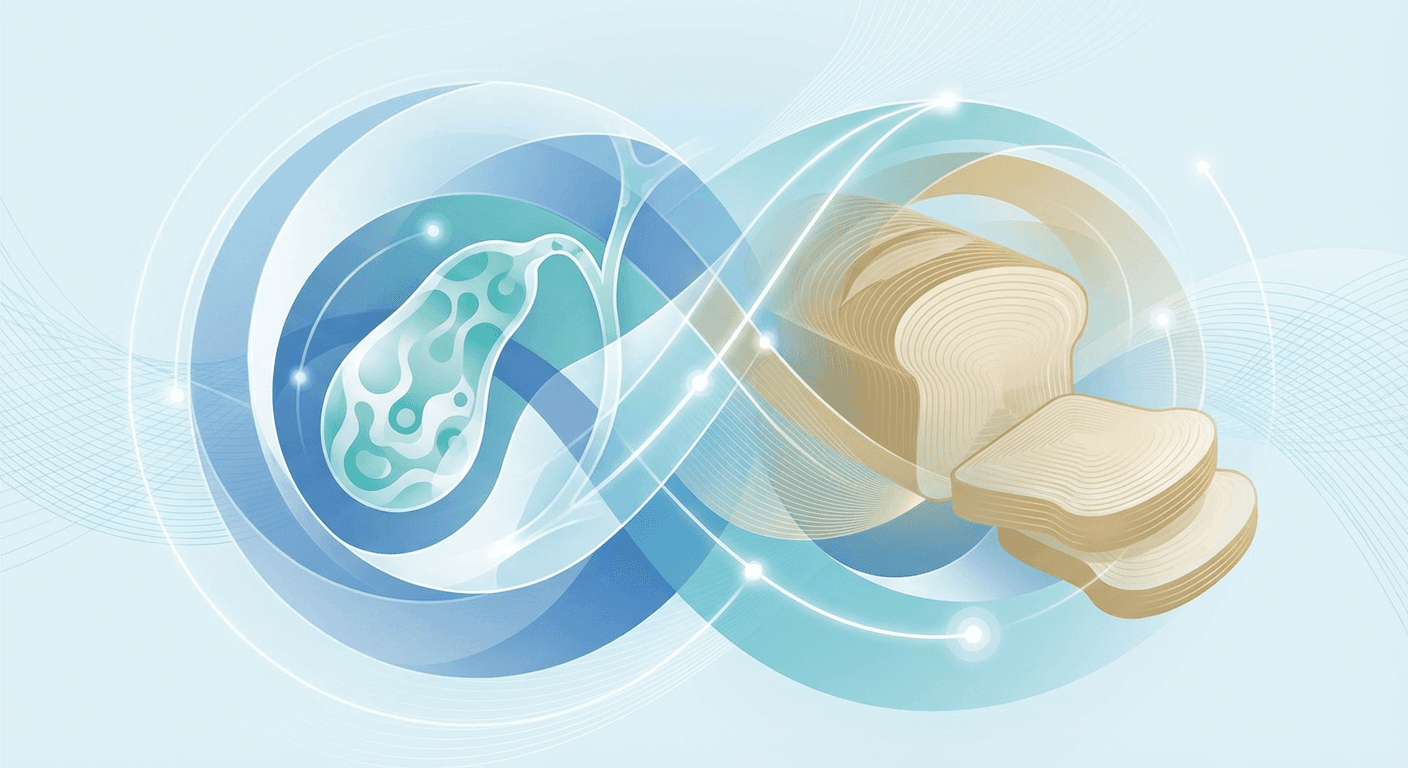
Current evidence does not show that eating bread increases gallbladder cancer risk. Major risks include gallstones, older age, female sex, and obesity. Diet matters via overall patterns; higher fiber (e.g., whole-grain bread) may be beneficial, while excess refined carbs and calories are less favorable.
Does Eating Bread Increase Gallbladder Cancer Risk?
There is currently no direct, high‑quality evidence that eating bread itself increases the risk of gallbladder cancer. Most established risk factors for gallbladder cancer include gallstones, older age, female sex, certain ethnic backgrounds, obesity, and chronic inflammation of the gallbladder or bile ducts. Diet can play a role, but links are generally discussed in terms of overall dietary patterns (e.g., high-carbohydrate, low-fiber diets) rather than specific foods like bread. [1] [2]
What the Evidence Says
-
Established risk factors: Gallbladder cancer risk is most strongly tied to gallstones, porcelain gallbladder, chronic bile duct inflammation, age, sex, and obesity. Bread is not listed among recognized specific risk factors. [1] [2]
-
Dietary pattern signals: Some clinical resources note that people who develop gallbladder cancer often have high‑carbohydrate and/or low‑fiber diets, suggesting dietary quality may matter. This is a general observation and does not single out bread. [3] [4]
-
Population studies on diet:
- A European cohort study found no association between higher glycemic index/load or total carbohydrate intake and biliary tract cancer overall; however, it did observe protective signals for higher dietary fiber intake for intrahepatic bile duct cancer, and for liver cancer. This supports a potential benefit of fiber rather than an isolated concern about bread. [5] [6]
- A Polish case‑control study reported that higher total calorie intake was associated with gallbladder cancer, with weaker associations for carbohydrates, and suggested protective trends for fiber and vitamins C and E. Again, this relates to overall diet composition rather than individual foods. [7] [8] [9]
-
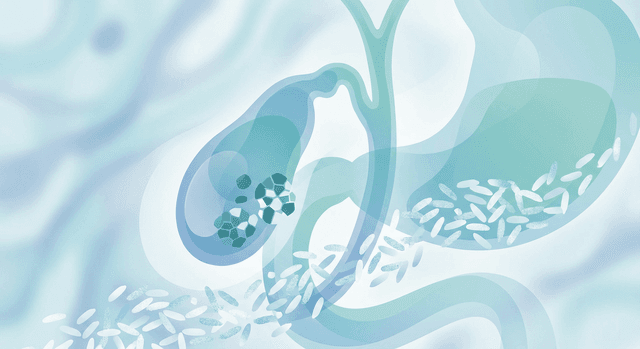
Gallstones and carbohydrates: Because gallstones are a major upstream risk factor for gallbladder cancer, researchers have explored carbohydrate intake and gallstone formation. In pregnancy, higher total carbohydrate especially fructose intake was linked to a greater risk of biliary sludge/stones, which could indirectly influence long‑term risk via gallstones. This does not isolate bread, and applies to pregnancy-specific physiology. [10]
Separately, older dietary surveys observed lower fiber intake (including fiber from bread and bakery products) among people with gallstones, hinting that more fiber from whole grains may be protective for gallstone risk. [11] [12]
Interpreting “Bread” Within These Findings
-
Type of bread matters: Whole‑grain bread is higher in dietary fiber, which is generally considered beneficial for metabolic health and may support lower risk of liver and bile duct conditions in some contexts. Low‑fiber, refined breads contribute carbohydrates without fiber and, within a high‑carbohydrate, low‑fiber eating pattern, could be less favorable. [5] [6]
-
No direct causal link: The available clinical guidance and epidemiology do not establish bread whether white or whole‑grain as a direct cause of gallbladder cancer. Associations, where noted, involve overall diet quality, caloric excess, and fiber intake, not a single staple food. [1] [2] [7]
Practical Takeaways
-
Focus on fiber: Aim for more whole grains (e.g., whole‑grain breads) to increase fiber, which is linked to many health benefits and may be helpful for hepatobiliary health. [5] [6]
-
Balance carbohydrates: Emphasize a balanced diet with vegetables, fruits, lean proteins, and healthy fats; avoid excessive added sugars and refined carbohydrates, especially in the context of weight gain and metabolic risk. [5] [6]
-
Address gallstone risk: Since gallstones are the strongest modifiable upstream factor, maintain a healthy weight, engage in regular physical activity, and eat a balanced, fiber‑rich diet; discuss persistent right‑upper‑abdominal pain, nausea after fatty meals, or known gallstones with your clinician. [1] [2]
Bottom Line
Based on current evidence, bread consumption by itself is not proven to increase gallbladder cancer risk. Risk relates more to underlying gallbladder conditions (especially gallstones), obesity, age, sex, and broader dietary patterns with signals pointing toward benefits from higher fiber intake and caution with excess calories and sugars. Choosing whole‑grain bread and a fiber‑rich, balanced diet is a reasonable, health‑supportive approach. [1] [2] [5] [6] [7]
Related Questions
Related Articles

Sources
- 1.^abcdeGallbladder cancer - Symptoms and causes(mayoclinic.org)
- 2.^abcdeSymptoms and causes - Mayo Clinic(mayoclinic.org)
- 3.^↑Gallbladder Cancer Causes & Risk Factors(mskcc.org)
- 4.^↑Gallbladder Cancer Causes & Risk Factors(mskcc.org)
- 5.^abcdeGlycemic index, glycemic load, dietary carbohydrate, and dietary fiber intake and risk of liver and biliary tract cancers in Western Europeans.(pubmed.ncbi.nlm.nih.gov)
- 6.^abcdeGlycemic index, glycemic load, dietary carbohydrate, and dietary fiber intake and risk of liver and biliary tract cancers in Western Europeans.(pubmed.ncbi.nlm.nih.gov)
- 7.^abcRisk factors for gallbladder cancer: a Polish case-control study.(pubmed.ncbi.nlm.nih.gov)
- 8.^↑Risk factors for gallbladder cancer: a Polish case-control study.(pubmed.ncbi.nlm.nih.gov)
- 9.^↑Risk factors for gallbladder cancer: a Polish case-control study.(pubmed.ncbi.nlm.nih.gov)
- 10.^↑Carbohydrate intake as a risk factor for biliary sludge and stones during pregnancy.(pubmed.ncbi.nlm.nih.gov)
- 11.^↑A dietary survey to determine the relationship between diet and cholelithiasis.(pubmed.ncbi.nlm.nih.gov)
- 12.^↑A dietary survey to determine the relationship between diet and cholelithiasis.(pubmed.ncbi.nlm.nih.gov)
Important Notice: This information is provided for educational purposes only and is not intended to replace professional medical advice, diagnosis, or treatment. Always consult with a qualified healthcare provider before making any medical decisions.