
 Persly Medical Team
Based on PubMed | Does eating rice increase the risk of gallbladder cancer?
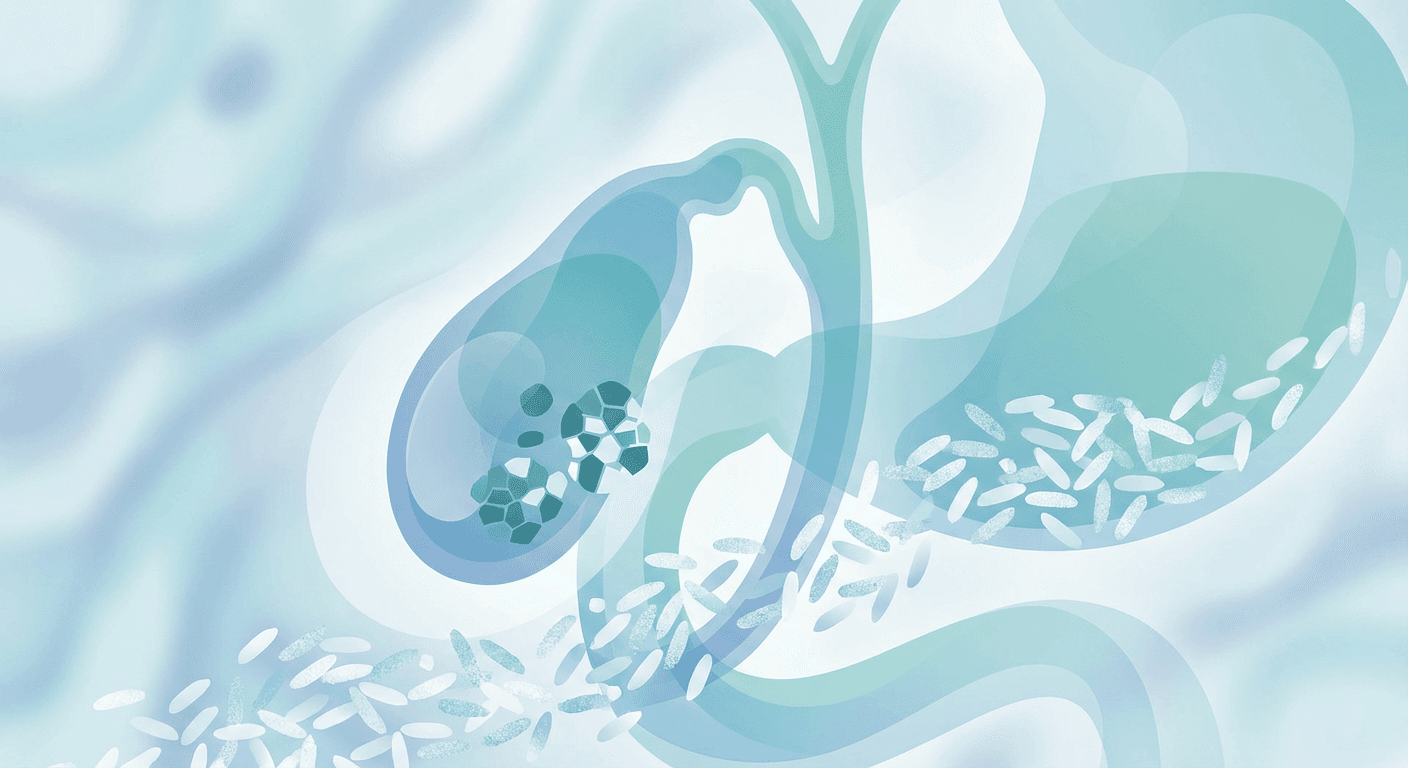
Eating rice is not known to increase gallbladder cancer risk. The main risk factors include gallstones, age, female sex, obesity, certain gallbladder conditions, family history, and chronic typhoid carriage. Large cohort data show no link between rice intake and cancer risk, and regional overlaps are more likely due to environmental exposures.
Eating rice by itself is not known to increase the risk of gallbladder cancer, and major identified risks focus on factors like gallstones, age, sex, and certain infections rather than specific staple foods. [1] [2]
What we know about gallbladder cancer risk
- The strongest and most consistent risk factor is the presence of gallstones, which are common and can drive chronic inflammation in the gallbladder. [1]
- Additional factors that are linked with higher risk include older age, being female, obesity, certain gallbladder conditions (like “porcelain gallbladder” and sizable polyps), family history, and chronic Salmonella typhi (typhoid) carrier state. [1] [3]
- Some clinical centers also note that people with gallbladder cancer are often overweight and may follow higher‑carbohydrate or lower‑fiber dietary patterns, but these are broad patterns rather than single foods. [3]
Rice specifically: what the evidence shows
- Large long‑term U.S. cohort data following over 200,000 adults for up to 26 years found that total rice, white rice, or brown rice intake was not associated with higher overall cancer risk, and site‑specific cancers examined did not show significant positive associations; gallbladder cancer was not specifically elevated in relation to rice in these data. [4]
- Ecologic observations from Japan decades ago noted that regions with higher gallbladder cancer mortality overlapped with major rice‑producing areas, but subsequent analyses proposed that the driver might be regional environmental exposures (for example, certain agricultural chemicals), not rice consumption itself. [5]
- Taken together, current evidence does not support the idea that eating rice directly raises gallbladder cancer risk; where geographic overlaps exist, environmental cofactors appear more plausible. [5] [4]
How diet fits into the bigger picture
- Broad dietary patterns linked to obesity and low fiber intake may relate to gallbladder cancer risk, partly because obesity itself is a recognized risk factor. [3]
- Improving overall diet quality more vegetables, fruits, legumes, and whole grains for fiber; fewer ultra‑processed foods; balanced calories to support a healthy weight aligns with lowering several gallbladder risk drivers (notably obesity), even if no single food like rice is uniquely implicated. [3]
Practical tips if you eat rice
- Portion balance: It can be helpful to keep rice portions moderate and pair them with high‑fiber sides (vegetables, beans, lentils) to support healthy weight and fiber intake. [3]
- Whole‑grain options: Choosing brown rice or mixing brown and white rice can increase fiber, which many people under‑consume. [3]
- Overall lifestyle: Maintaining a healthy weight, staying active, and seeking care for gallbladder symptoms (biliary colic, right‑upper‑quadrant pain, nausea after fatty meals) matter more for gallbladder cancer prevention than avoiding a single staple food. [1]
Key takeaways
- The main risks for gallbladder cancer are gallstones, certain gallbladder conditions, age, female sex, obesity, family history, and chronic typhoid carriage not rice consumption. [1] [3]
- Large prospective data do not show that long‑term rice intake increases overall cancer risk, and ecologic links between rice‑growing regions and gallbladder cancer are better explained by environmental exposures rather than eating rice. [4] [5]
- Focusing on weight management, fiber‑rich eating patterns, and prompt evaluation of gallbladder issues is a more evidence‑based approach to lowering risk. [1] [3]
Related Questions
Related Articles


Sources
- 1.^abcdefGallbladder Cancer(mskcc.org)
- 2.^↑Gallbladder Cancer(mskcc.org)
- 3.^abcdefghGallbladder Cancer Causes & Risk Factors(mskcc.org)
- 4.^abcRice consumption and cancer incidence in US men and women.(pubmed.ncbi.nlm.nih.gov)
- 5.^abcEpidemiological studies on the distribution and determinants of biliary tract cancer.(pubmed.ncbi.nlm.nih.gov)
Important Notice: This information is provided for educational purposes only and is not intended to replace professional medical advice, diagnosis, or treatment. Always consult with a qualified healthcare provider before making any medical decisions.