
 Persly Medical Team
Based on PubMed | Is there evidence that eating eggs increases the risk of gallbladder cancer?
Current evidence does not show that eating eggs increases gallbladder cancer risk. The main risks are gallstones and chronic gallbladder inflammation; diet matters mostly through weight, fiber intake, and gallstone risk rather than eggs specifically.
Do Eggs Increase Gallbladder Cancer Risk? What the Evidence Shows
Based on current human research and major clinical resources, there is no convincing evidence that eating eggs specifically increases the risk of gallbladder cancer. [1] The strongest, well‑established risk factor for gallbladder cancer is having gallstones, along with age, female sex, certain ethnic backgrounds, obesity, chronic gallbladder inflammation, large gallbladder polyps, and chronic Salmonella (typhoid) carriage. [2] [1] Diet can influence overall metabolic health and gallstone formation, but authoritative clinical summaries do not list eggs as a recognized risk factor for gallbladder cancer. [1] [3]
What Authoritative Sources Emphasize
- Gallstones are the primary risk factor for gallbladder cancer, and they are much more common than the cancer itself. [2] Women and older adults are affected more often, and risk also rises with obesity and certain inflammatory gallbladder conditions. [1] [3]
- These summaries discuss dietary patterns mainly in the context of obesity and low‑fiber/high‑carbohydrate eating, not specific foods like eggs. [3]
What Epidemiology Says About Eggs and Cancer
- Broad analyses of egg intake and gastrointestinal (GI) cancers suggest a small overall association with GI neoplasms, driven most consistently by colon cancer signals, not gallbladder cancer. [4] This meta‑analysis did not demonstrate a specific link between eggs and gallbladder cancer risk. [4]
- Case–control data from Japan historically found that higher intake of animal proteins and fats including eggs was associated with lower not higher risk of gallbladder cancer in that dataset, though results from older, single‑region studies should be interpreted cautiously. [5]
Diet, Gallstones, and Indirect Pathways
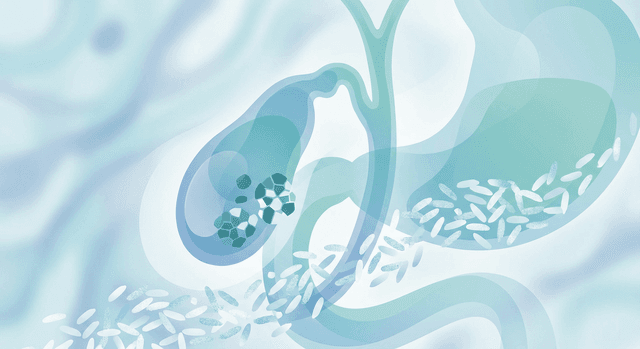
- Because gallstones are the key driver of gallbladder cancer risk, any dietary pattern that raises gallstone risk could theoretically matter indirectly. [2] Gallstones form from imbalances in bile components (often cholesterol), gallbladder motility, and inflammation; obesity and certain dietary patterns (high calories, low fiber) are implicated in gallstone risk and show broader associations with digestive cancers. [6]
- Even so, clinical risk summaries do not single out eggs as a specific dietary culprit for gallbladder cancer. [1] [3]
Practical Takeaways
- There is currently no strong, direct evidence that typical egg consumption increases gallbladder cancer risk. [1]
- Focusing on what is known to help overall gallbladder and metabolic health is sensible: maintaining a healthy weight, prioritizing fiber‑rich foods (vegetables, fruits, whole grains), and moderating total calorie intake. [3]
- If you have gallstones or chronic gallbladder symptoms, medical evaluation and management are far more important for risk reduction than eliminating a single food like eggs. [2] [1]
Quick Reference Table
| Topic | What the evidence indicates |
|---|---|
| Established major risk for gallbladder cancer | Gallstones (cholelithiasis) and chronic gallbladder inflammation; higher risk with age, female sex, obesity, certain ethnicities, large polyps, and chronic Salmonella carriage. [2] [1] [3] |
| Eggs as a specific risk factor | Not recognized by major clinical resources as a direct risk factor. [1] [3] |
| Eggs and GI cancers overall | Meta‑analysis shows a small association with GI cancers overall, more consistent for colon cancer; not specific to gallbladder cancer. [4] |
| Older regional case–control data | Reported lower risk with higher animal protein/fat intake including eggs; results are context‑ and era‑specific. [5] |
| Indirect dietary pathways | Diets linked to obesity, high calories, and low fiber relate to gallstones and broader digestive cancer risks; eggs per se are not singled out. [6] [3] |
Bottom Line
Current evidence does not support eggs as an independent, direct risk factor for gallbladder cancer; risk is driven primarily by gallstones and chronic inflammation, with overall calorie balance, body weight, and fiber intake being more relevant dietary considerations. [2] [1] [3] [6]
Related Questions
Related Articles


Sources
- 1.^abcdefghijGallbladder Cancer(mskcc.org)
- 2.^abcdefGallbladder Cancer(mskcc.org)
- 3.^abcdefghiGallbladder Cancer Causes & Risk Factors(mskcc.org)
- 4.^abcEgg consumption and risk of GI neoplasms: dose-response meta-analysis and systematic review.(pubmed.ncbi.nlm.nih.gov)
- 5.^abA case-control study of biliary tract cancer in Niigata Prefecture, Japan.(pubmed.ncbi.nlm.nih.gov)
- 6.^abcGallstones, cholecystectomy, and risk of digestive system cancers.(pubmed.ncbi.nlm.nih.gov)
Important Notice: This information is provided for educational purposes only and is not intended to replace professional medical advice, diagnosis, or treatment. Always consult with a qualified healthcare provider before making any medical decisions.