
 Persly Medical Team
Based on PubMed | Is headache a symptom of pancreatitis, and what could be causing it in this condition?
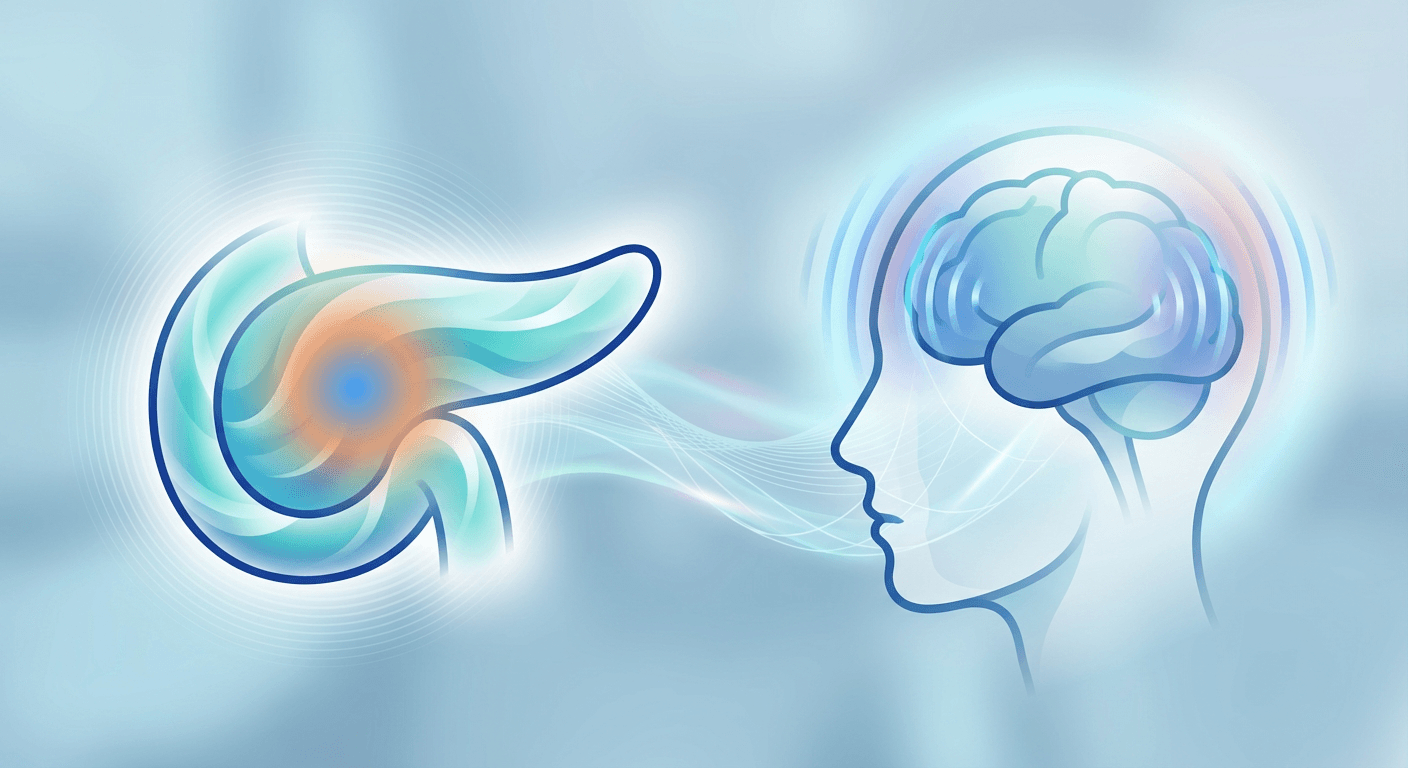
Headache is not a typical symptom of pancreatitis; core features are severe upper abdominal pain, nausea/vomiting, and sometimes fever. However, headaches can occur indirectly from systemic inflammation, dehydration due to vomiting, fever, pain pathway sensitization, or metabolic disturbances; seek care for severe or neurologic symptoms.
Is Headache a Symptom of Pancreatitis, and What Could Be Causing It?
Headache is not a classic or primary symptom of pancreatitis. The hallmark features of acute pancreatitis are severe upper abdominal pain, often radiating to the back, with nausea, vomiting, and sometimes fever or breathing difficulty. [1] Headache does not typically appear on standard symptom lists for acute or chronic pancreatitis, which focus on abdominal pain and digestive issues. [2] [3] In chronic pancreatitis, common problems include abdominal pain, nausea, vomiting, weight loss, diarrhea, and oily stools, rather than headache. [4] That said, headaches can occur in some people with pancreatitis due to indirect mechanisms related to the disease and its systemic effects.
Core Symptoms of Pancreatitis
- Acute pancreatitis usually presents suddenly with intense upper belly pain, sometimes radiating to the back, and may include fever, nausea, vomiting, and low blood pressure in severe cases. [1] [3]
- Chronic pancreatitis often causes ongoing abdominal pain with malabsorption symptoms like weight loss and oily stools, reflecting enzyme insufficiency. [4]
These established patterns help distinguish pancreatitis from conditions where headache is more central. [5] [3]
Why Headache Can Happen in Pancreatitis
Even though headache is not a defining symptom, several plausible pathways can explain why someone with pancreatitis might experience headaches:
-
Systemic inflammatory response (SIRS): Acute pancreatitis can trigger a strong body‑wide inflammatory reaction involving cytokines and oxidative stress, which can influence the nervous system and potentially contribute to headache. [6] [7] Inflammation in pancreatitis is driven by signaling networks like NFκB and MAP kinases, which can cause widespread effects beyond the pancreas. [7] [8]
-
Dehydration and vomiting: Frequent vomiting and reduced oral intake in acute pancreatitis can lead to dehydration, a well‑known cause of secondary headaches. While general headache resources list dehydration as a common trigger, the nausea/vomiting component is well recognized in pancreatitis. [1] This indirect route can make headaches more likely during flare‑ups.
-
Pain referral and central sensitization: Visceral pain can produce “referred pain,” and longstanding visceral disorders may sensitize central pain pathways, including trigeminocervical networks, creating head pain expressions termed “parasympathetic referred pain.” [9] Pancreatic pain itself is complex and involves peripheral and central neuroplastic changes, which can alter pain perception more broadly and feasibly manifest as headache in some individuals. [10] [11]
-
Fever and systemic illness: Fever and general sickness in acute pancreatitis can precipitate headache, similar to febrile illnesses. [1]
-
Blood pressure changes: Severe acute pancreatitis can involve low blood pressure, and fluctuations in blood pressure can sometimes contribute to head discomfort or headache, although this is not the primary mechanism in pancreatitis. [1]
-
Metabolic disturbances: Acute pancreatitis is associated with metabolic derangements (e.g., hypocalcemia, hyperglycemia, lipid abnormalities), and while these primarily signal disease severity, they may also indirectly relate to headache in some contexts. [12]
Distinguishing Headache from Pancreatitis Pain
- Location and character: Pancreatitis pain is primarily upper abdominal and can radiate to the back, whereas headache affects the head/scalp and may be throbbing or pressure‑like. [3]
- Timing: Headache may correlate with vomiting/dehydration, fever, or overall inflammatory flares, rather than being a continuous feature of pancreatitis itself. [1] [6]
When to Worry
- Severe headache with neurologic signs (confusion, vision changes, stiff neck, focal weakness) warrants urgent evaluation, particularly because acute pancreatitis can have rare but serious systemic complications, including coagulation abnormalities and unusual phenomena like retinal vessel issues, reflecting broader vascular involvement. [12]
- Persistent or worsening headache in the setting of pancreatitis, especially with dehydration or infection signs, should prompt medical assessment to rule out complications or unrelated causes. [6]
Practical Tips
- Hydration support: Maintaining adequate fluids (as clinically appropriate) may help reduce dehydration‑related headaches when vomiting is present. [1]
- Monitor triggers: Track whether headaches follow bouts of vomiting, fasting, or fever, which may suggest indirect causes rather than a primary pancreatitis symptom. [1]
- Comprehensive evaluation: If headaches are frequent or severe, consider evaluation for primary headache disorders and other secondary causes, since the primary symptom cluster in pancreatitis is abdominal pain. [3] [4]
Summary Table: Pancreatitis vs. Headache Features
| Feature | Acute Pancreatitis | Chronic Pancreatitis | Headache Relevance |
|---|---|---|---|
| Main symptom | Upper abdominal pain (± radiates to back) | Abdominal pain, malabsorption (oily stools, weight loss) | Headache not primary |
| Common associated symptoms | Nausea, vomiting, fever, low BP, breathing difficulty | Nausea, vomiting, weight loss, diarrhea, oily stools | Nausea/vomiting can cause dehydration headaches |
| Mechanisms linked to headache | Systemic inflammation (SIRS), dehydration, pain referral, fever | Central/peripheral neuroplastic pain changes | Indirect pathways increase headache likelihood |
| Red flags | Severe systemic illness, organ dysfunction | Nutrition/malabsorption issues | Neurologic symptoms require urgent care |
References: The hallmark symptoms of acute pancreatitis include upper abdominal pain, nausea, vomiting, fever, and possible low blood pressure. [1] Acute pancreatitis symptom lists do not typically include headache as a primary feature. [2] [3] Chronic pancreatitis symptom profiles emphasize digestive and weight‑related issues rather than headache. [4] Pancreatitis triggers a systemic inflammatory response with cytokine activation and signaling pathways that can affect the nervous system. [6] [7] Redox signaling and inflammatory cascades contribute to widespread effects in acute pancreatitis. [8] Systemic complications of acute pancreatitis include metabolic and coagulation abnormalities, highlighting multi‑organ involvement. [12] Visceral disorders may produce parasympathetic referred pain manifesting as headache, and chronic pancreatitis pain includes central sensitization mechanisms. [9] [10] [11]
Related Questions
Related Articles


Sources
- 1.^abcdefghiSymptoms(stanfordhealthcare.org)
- 2.^abAcute pancreatitis: MedlinePlus Medical Encyclopedia(medlineplus.gov)
- 3.^abcdefSymptoms and causes - Mayo Clinic(mayoclinic.org)
- 4.^abcdSymptoms(stanfordhealthcare.org)
- 5.^↑Pancreatitis(medlineplus.gov)
- 6.^abcdSpecific aspects of acute pancreatitis.(pubmed.ncbi.nlm.nih.gov)
- 7.^abcNew insights into the pathogenesis of pancreatitis.(pubmed.ncbi.nlm.nih.gov)
- 8.^abRole of redox signaling, protein phosphatases and histone acetylation in the inflammatory cascade in acute pancreatitis. Therapeutic implications.(pubmed.ncbi.nlm.nih.gov)
- 9.^abHeadache associated with visceral disorders is "parasympathetic referred pain".(pubmed.ncbi.nlm.nih.gov)
- 10.^abPain mechanisms in chronic pancreatitis: of a master and his fire.(pubmed.ncbi.nlm.nih.gov)
- 11.^abPancreatic nociception--revisiting the physiology and pathophysiology.(pubmed.ncbi.nlm.nih.gov)
- 12.^abcSystemic complications of acute pancreatitis.(pubmed.ncbi.nlm.nih.gov)
Important Notice: This information is provided for educational purposes only and is not intended to replace professional medical advice, diagnosis, or treatment. Always consult with a qualified healthcare provider before making any medical decisions.