
 Persly Medical Team
Based on PubMed | Is unintentional weight loss a symptom of liver cirrhosis, and what mechanisms contribute to it?
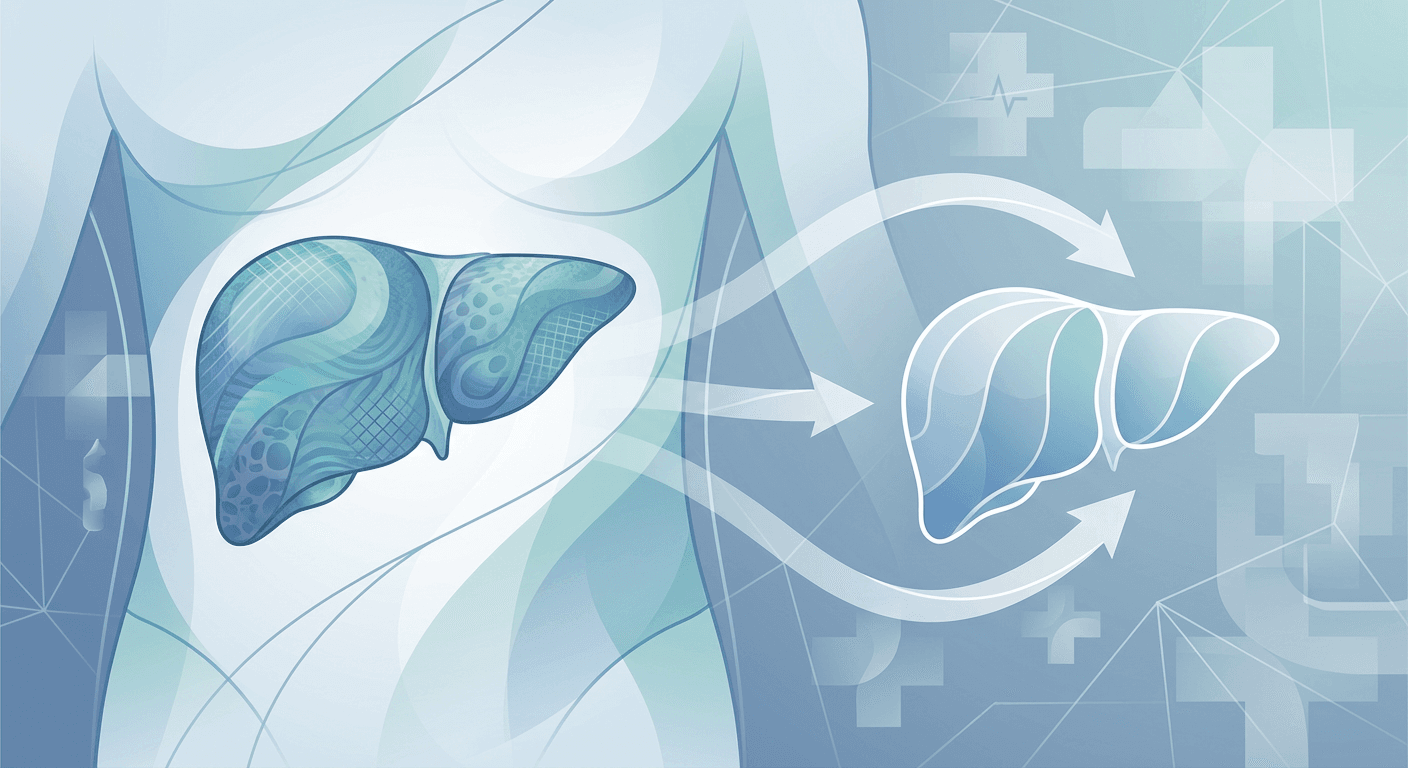
Unintentional weight loss is a recognized symptom of cirrhosis, driven by poor appetite, nausea, and the liver’s impaired handling of nutrients. Mechanisms include malnutrition with sarcopenia, hypermetabolism and early gluconeogenesis from low glycogen stores, altered absorption/metabolism, and early satiety from ascites; fluid retention can mask true loss. Evidence-based care includes adequate protein, a late evening snack, BCAA supplementation, diet counseling, and tailored exercise.
Unintentional weight loss can be a symptom of liver cirrhosis, especially as the disease progresses and the liver’s ability to process nutrients declines. It is commonly accompanied by poor appetite, fatigue, and nausea, and may occur alongside other signs such as swelling (edema or ascites), easy bruising, and jaundice. [1] Weight loss and reduced appetite are recognized early features in many people with cirrhosis, even before more advanced complications appear. [2] When cirrhosis impairs nutrient handling, it can lead to weakness and weight loss because the body cannot use and store energy effectively. [3]
Why cirrhosis causes weight loss
- Reduced appetite and nausea: Many individuals with cirrhosis experience loss of appetite and nausea, making it hard to meet daily calorie and protein needs. [1] These symptoms are among the early features of cirrhosis and often drive reduced intake. [2]
- Malnutrition and muscle loss (sarcopenia): Malnutrition is highly prevalent in cirrhosis and is a major, potentially reversible, complication; loss of skeletal muscle (sarcopenia) is a key contributor to weight and strength loss. [4] Sarcopenia and depletion of fat stores reflect the body’s shift to using muscle and fat for energy when nutrient supply or processing is impaired. [4]
- Hypermetabolism and altered energy use: Cirrhosis can raise resting energy needs (hypermetabolism) and trigger early gluconeogenesis because the diseased liver cannot store glycogen well, pushing the body into a catabolic (breakdown) state, particularly overnight. [5] This catabolic shift leads to ongoing muscle protein breakdown and fat loss, even when food intake is not severely restricted. [5]
- Malabsorption and altered nutrient metabolism: Advanced liver disease can impair digestion and absorption and change how nutrients are processed, further contributing to weight loss and nutrient deficiencies. [6]
- Portal hypertension and early satiety: Enlargement of the spleen and fluid accumulation (ascites) can cause abdominal distension and early fullness, limiting meal size and intake. [1] As cirrhosis worsens, edema and ascites are common and can mask true muscle and fat loss on the scale. [7]
Clinical importance
- Prognosis: Malnutrition and sarcopenia in cirrhosis are linked with worse outcomes, lower quality of life, and higher risk of complications; identifying and treating them is important for survival and recovery. [4] Malnutrition is both common and clinically meaningful in advanced liver disease. [6]
- Detection challenges: Standard weight and body measurements can be misleading because fluid retention (ascites, edema) inflates body weight, while underlying muscle and fat may be low; targeted assessment is often needed. [6]
What to watch for
- Symptoms suggesting nutrient issues: Fatigue, weakness, reduced appetite, nausea, and visible muscle wasting can indicate malnutrition and sarcopenia. [1] Early weight loss together with poor appetite is typical in many cases. [2]
- Associated signs of advanced disease: Edema, ascites, jaundice, and easy bruising/bleeding often accompany more severe liver dysfunction and can coexist with weight changes. [1] [7]
Evidence-based nutrition strategies
- Adequate protein intake: Protein needs are commonly increased in cirrhosis, and higher protein diets are generally well tolerated; routine protein restriction is no longer recommended because it can worsen outcomes. [5] Ensuring sufficient protein supports muscle maintenance and may improve liver function and nutritional status. [5]
- Late evening snack: A bedtime snack helps counter the rapid onset of the overnight fasting catabolic state, reducing overnight muscle breakdown. [5]
- Branched-chain amino acids (BCAA): Long‑term BCAA supplementation can improve nutritional status, quality of life, and event‑free survival in cirrhosis. [5]
- Dietary counseling and oral supplements: Structured nutrition support and counseling improve intake and can help reverse malnutrition in cirrhosis. [5] Managing macro‑ and micronutrient needs, and considering timing and composition of supplements (e.g., nocturnal feeding), can optimize outcomes. [6]
- Exercise with caution: Physical activity plans should be individualized; while exercise can help muscle mass, certain protocols may aggravate portal hypertension or increase ammonia levels, so medical guidance is advisable. [4]
Summary
- Yes, unintentional weight loss can occur in cirrhosis, often related to poor appetite, nausea, and the liver’s impaired ability to process and store nutrients. [1] Early disease may present with weight loss and reduced appetite, while progressive disease adds signs like edema, ascites, and jaundice. [2] [7] Mechanisms include malnutrition, sarcopenia, hypermetabolism, early gluconeogenesis due to poor glycogen storage, altered nutrient metabolism, and sometimes malabsorption, all of which drive muscle and fat loss. [4] [5] [6] Recognizing and treating nutrition problems especially ensuring adequate protein, adding a late evening snack, and considering BCAA can meaningfully improve health and quality of life. [5]
Related Questions
Related Articles
Sources
- 1.^abcdefCirrhosis - Symptoms and causes(mayoclinic.org)
- 2.^abcdCirrhosis: MedlinePlus Medical Encyclopedia(medlineplus.gov)
- 3.^↑Cirrhosis - Symptoms and causes(mayoclinic.org)
- 4.^abcdeMalnutrition in cirrhosis: contribution and consequences of sarcopenia on metabolic and clinical responses.(pubmed.ncbi.nlm.nih.gov)
- 5.^abcdefghi[Protein catabolism and malnutrition in liver cirrhosis - impact of oral nutritional therapy].(pubmed.ncbi.nlm.nih.gov)
- 6.^abcdePrevalence and mechanisms of malnutrition in patients with advanced liver disease, and nutrition management strategies.(pubmed.ncbi.nlm.nih.gov)
- 7.^abcCirrhosis: MedlinePlus Medical Encyclopedia(medlineplus.gov)
Important Notice: This information is provided for educational purposes only and is not intended to replace professional medical advice, diagnosis, or treatment. Always consult with a qualified healthcare provider before making any medical decisions.