
 Persly Medical Team
Based on PubMed | Are heart palpitations a symptom of liver cirrhosis, and what might cause them?
Heart palpitations aren’t a typical symptom of liver cirrhosis, but cirrhosis can indirectly cause them through cirrhotic cardiomyopathy, electrolyte imbalances, and medication or stimulant triggers. Evaluation may include an EKG, electrolyte and thyroid tests, echocardiography, and medication review; management focuses on correcting imbalances, reducing triggers, and tailored cardiac care. Seek urgent medical attention if palpitations occur with fainting, chest pain, or shortness of breath.
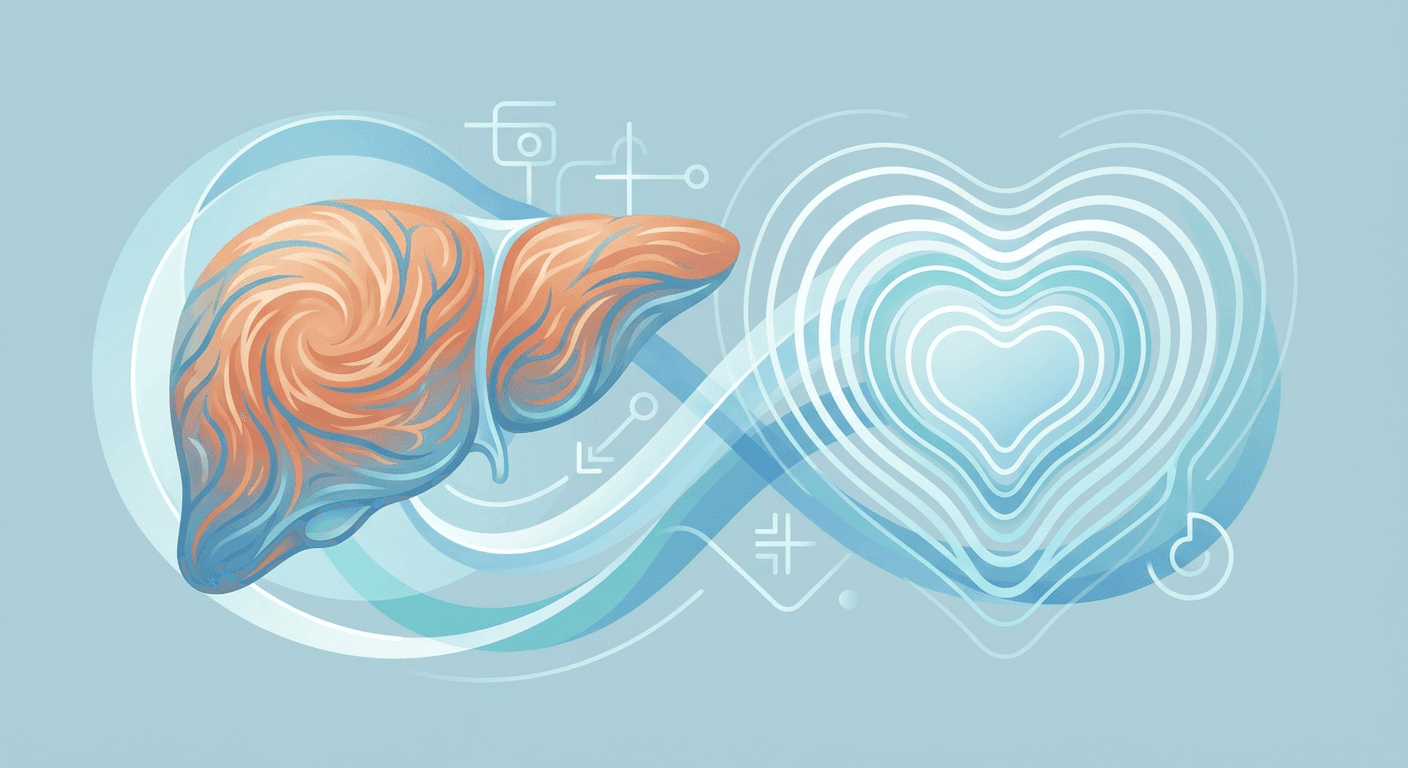
Heart palpitations are not considered a classic, common symptom of liver cirrhosis, but they can occur in people with cirrhosis due to several indirect mechanisms. [1] [2] Standard symptom lists for cirrhosis focus on fatigue, easy bruising/bleeding, jaundice, itching, fluid buildup (ascites), leg swelling, and complications of portal hypertension, rather than palpitations. [1] [2] That said, cirrhosis can affect the heart’s function and body chemistry in ways that may lead to sensations of a fast, pounding, or irregular heartbeat. [3] [4]
How cirrhosis can lead to palpitations
-
Cirrhotic cardiomyopathy: Cirrhosis is linked to a specific heart condition called cirrhotic cardiomyopathy, which involves impaired heart response to stress, diastolic dysfunction, and electrical conduction changes such as QT interval prolongation. [4] These electrical changes increase the risk of rhythm disturbances that may be felt as palpitations, especially under stress like infection, fluid shifts, or procedures. [3] Up to about 40–50% of people with cirrhosis may have QT prolongation, which can predispose to palpitations. [4]
-
Autonomic and hormonal changes: In cirrhosis, derangements in signaling molecules (for example, β‑adrenergic receptor impairment, nitric oxide, cytokines, and endogenous cannabinoids) contribute to altered cardiac function and responsiveness, which can make the heart more sensitive and prone to rhythm symptoms. [4] These changes tend to surface during physiologic stress, making palpitations more noticeable in those moments. [3]
-
Electrolyte disturbances: Fluid and electrolyte disorders are common in cirrhosis hyponatremia (low sodium) and hypokalemia (low potassium) can occur, sometimes due to diuretics, renal handling changes, or nutrition issues. [5] [6] Low potassium, in particular, increases the risk of abnormal heart rhythms and palpitations. [7] Correcting electrolyte imbalances is important because they are a reversible cause of palpitations. [6] [7]
-
Medications and stimulants: Some medicines used in cirrhosis (for example, diuretics) can trigger electrolyte shifts that provoke palpitations, and general stimulant exposures (caffeine, nicotine, certain cold medicines) can also cause palpitations regardless of liver status. [7] [8] Avoiding stimulants and reviewing medications can reduce palpitation episodes. [7] [8]
-
General triggers that overlap with cirrhosis: Stress, anxiety, fever, dehydration, and thyroid overactivity are all recognized causes of palpitations and may coexist with liver disease. [8] These non‑cardiac triggers can amplify palpitations in someone whose heart is already vulnerable due to cirrhotic cardiomyopathy or electrolytes. [3] [8]
When to be concerned
Most palpitations are benign, but certain features need prompt attention: fainting, severe dizziness, chest pain, or shortness of breath can signal a significant rhythm problem. [9] In cirrhosis, stressors like infection or major fluid shifts can unmask overt heart failure or clinically significant arrhythmias, so new or worsening palpitations deserve evaluation. [3] If you notice palpitations together with leg swelling or abdominal fluid accumulation changes, that could indicate broader fluid/electrolyte or cardiac involvement. [2] [5]
What your clinician may check
-
Electrocardiogram (EKG): Looks for QT prolongation and arrhythmias, which are more common in cirrhosis and can explain palpitations. [4] Documenting QT interval is key because it guides risk and management. [4]
-
Blood tests: Electrolytes (especially potassium and sodium) and thyroid function; low potassium or low sodium are frequent in cirrhosis and can trigger palpitations. [5] [6] [7]
-
Cardiac evaluation: Echocardiogram to assess systolic and diastolic function if symptoms or EKG abnormalities are present, as cirrhotic cardiomyopathy affects relaxation and stress response. [3] Heart performance under stress is often impaired, even if resting measures look acceptable. [3]
-
Medication review: Diuretics, stimulant-containing medications, and other drugs that might provoke palpitations or electrolyte losses. [7] [8]
Management strategies
-
Address correctable causes: Replete potassium if low and manage sodium/water balance in line with cirrhosis care plans. [6] [5] Targeting electrolyte balance usually reduces palpitations and arrhythmia risk. [6] [7]
-
Reduce triggers: Limit caffeine, nicotine, and stimulant decongestants; manage stress and treat fever or infections promptly. [7] [8]
-
Cardiac monitoring: If QT prolongation or symptomatic arrhythmias are found, tailored cardiac management is warranted; this may include rhythm monitoring and cautious use of antiarrhythmic strategies under specialist guidance. [4] [3]
-
Beta‑blockers: Non‑selective beta‑blockers (like propranolol or carvedilol) are commonly used in cirrhosis to lower portal pressure and prevent variceal bleeding, and they also reduce heart rate, which can subjectively lessen palpitations in some cases. [10] [11] Their use should be individualized, especially in decompensated states, but they remain a cornerstone for portal hypertension management. [10] Any beta‑blocker decisions should consider overall cirrhosis status and potential side effects. [10]
Bottom line
- Palpitations are not a hallmark symptom of cirrhosis, but cirrhosis can cause heart changes (cirrhotic cardiomyopathy), electrolyte disturbances, and heightened sensitivity to triggers that may lead to palpitations. [2] [4]
- Evaluating for arrhythmias, checking electrolytes, and reviewing medications and stimulants are practical, effective steps to identify and treat the cause. [7] [5]
- Seek medical care if palpitations are new, frequent, or accompanied by worrisome symptoms like fainting, chest pain, or breathlessness. [9]
Related Questions
Related Articles
Sources
- 1.^abCirrhosis(medlineplus.gov)
- 2.^abcdCirrhosis - Symptoms and causes(mayoclinic.org)
- 3.^abcdefghA perspective on cirrhotic cardiomyopathy.(pubmed.ncbi.nlm.nih.gov)
- 4.^abcdefghCirrhotic cardiomyopathy: review of pathophysiology and treatment.(pubmed.ncbi.nlm.nih.gov)
- 5.^abcde[Hyponatremia in liver cirrhosis: pathogenesis and treatment].(pubmed.ncbi.nlm.nih.gov)
- 6.^abcdeFluid and electrolyte disturbances in cirrhosis.(pubmed.ncbi.nlm.nih.gov)
- 7.^abcdefghiHeart palpitations: MedlinePlus Medical Encyclopedia(medlineplus.gov)
- 8.^abcdefHeart palpitations-Heart palpitations - Symptoms & causes - Mayo Clinic(mayoclinic.org)
- 9.^abHeart palpitations-Heart palpitations - Symptoms & causes - Mayo Clinic(mayoclinic.org)
- 10.^abcBeta-blockers in liver cirrhosis.(pubmed.ncbi.nlm.nih.gov)
- 11.^↑A randomised controlled study of propranolol for prevention of recurrent gastrointestinal bleeding in patients with cirrhosis.(pubmed.ncbi.nlm.nih.gov)
Important Notice: This information is provided for educational purposes only and is not intended to replace professional medical advice, diagnosis, or treatment. Always consult with a qualified healthcare provider before making any medical decisions.