
 Persly Medical Team
Based on NIH | Is headache a symptom of liver cirrhosis?
Headache is not a typical symptom of liver cirrhosis. Cirrhosis more often causes fatigue, jaundice, ascites, and in advanced cases hepatic encephalopathy with confusion and sleep-wake changes rather than headache. If headache occurs, consider other causes and seek care if it’s accompanied by confusion or behavior changes.
Is Headache a Symptom of Liver Cirrhosis?
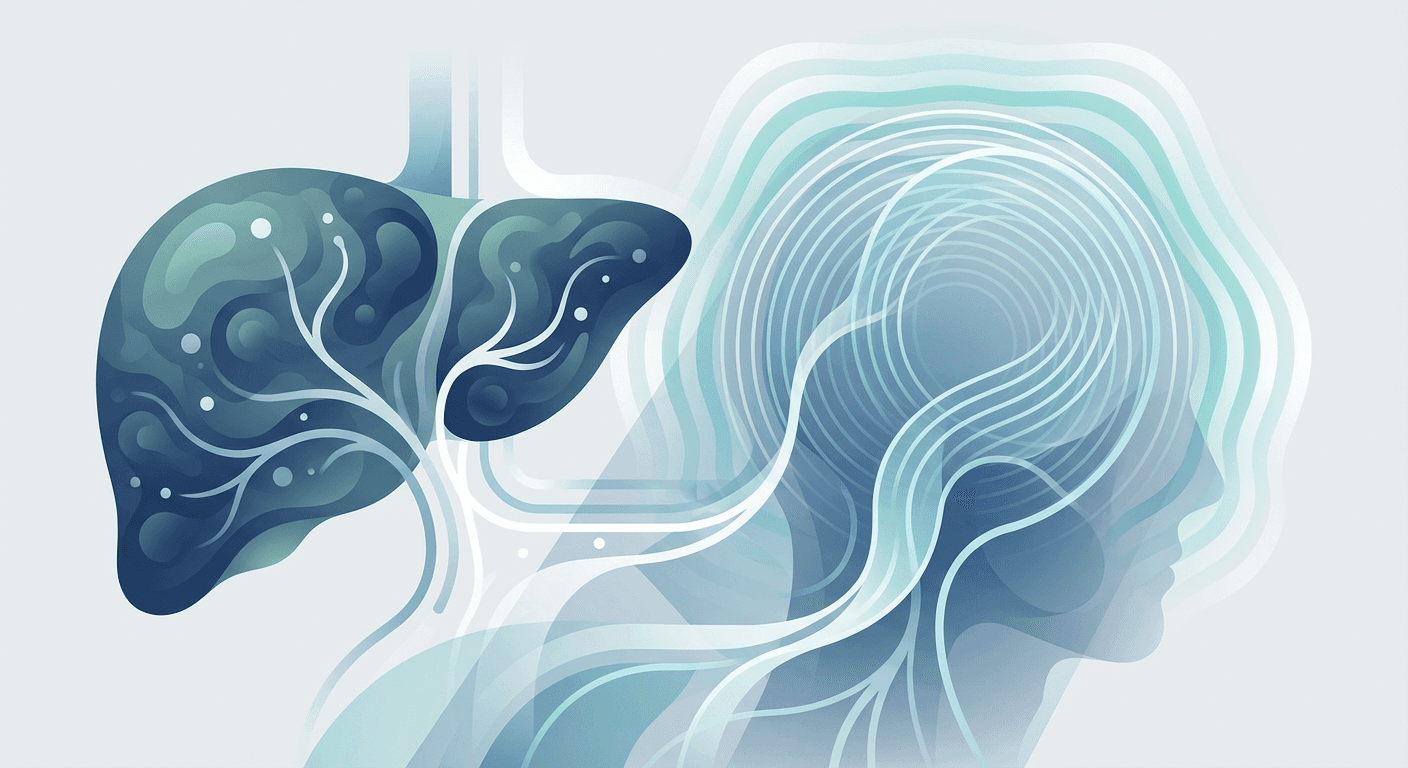
Headache is not considered a typical or hallmark symptom of liver cirrhosis. Common cirrhosis symptoms are more often fatigue, easy bruising or bleeding, loss of appetite, nausea, leg swelling, weight loss, itchy skin, jaundice (yellowing), and fluid buildup in the abdomen (ascites). [1] When the brain is affected by toxin buildup due to advanced liver disease called hepatic encephalopathy people usually have confusion, attention problems, sleep–wake changes, and disorientation rather than isolated headache. [2] [3] In other words, while headaches can occur for many reasons, they are not a defining feature of cirrhosis, and persistent headaches should prompt evaluation for other causes. [4]
What Cirrhosis Typically Looks Like
- Common early and general symptoms include fatigue, poor appetite, weight loss, and nausea. [4]
- As the disease progresses, people may develop easy bruising/bleeding, leg and ankle swelling, itchy skin, jaundice, ascites, and spider-like blood vessels on the skin. [1] [5]
- Portal hypertension (high pressure in the portal vein) can lead to complications like variceal bleeding and ascites. [6]
These patterns help clinicians recognize cirrhosis; headache does not appear on the core symptom list in standard medical references. [1] [4]
Brain Effects of Advanced Cirrhosis (Hepatic Encephalopathy)
Cirrhosis can reduce the liver’s ability to clear toxins (especially ammonia), allowing them to reach the brain. This leads to hepatic encephalopathy, which primarily causes cognitive and behavioral changes sleep disturbances, mild confusion, mood changes, disorientation, and in severe cases stupor or coma. [2] [3] These features are neurological and psychiatric rather than a pain syndrome like headache. [7] [8]
- Mechanism: Impaired liver function and portal-systemic shunting allow gut-derived toxins (e.g., ammonia) to circulate and disrupt brain function. [9]
- Clinical pattern: Personality changes, sleep abnormalities, impaired coordination, and progressive cognitive dysfunction are common. [8]
- Management focus: Reducing ammonia (e.g., lactulose, rifaximin) and addressing triggers like infections or bleeding. [7]
Can Cirrhosis-Related Factors Indirectly Cause Headache?
While headache is not a core cirrhosis symptom, several cirrhosis-associated situations could indirectly contribute to headaches:
- Medication use: People with liver disease must use pain relievers cautiously. Acetaminophen can be harmful at high doses or with alcohol, and combination products may pose risks; dosing guidance and warnings are emphasized for those with liver disease. [10] [11] [12] [13]
- Dehydration or infections: These can precipitate hepatic encephalopathy and may also trigger headaches, though they are not specific to cirrhosis. [7]
- Pain syndromes in chronic liver disease: Pain is common in chronic liver disease populations, but it is heterogeneous and often linked to mood, sleep disturbance, and advanced disease rather than a single cause. [14]
Overall, headache in someone with cirrhosis is more likely coincidental or related to other factors (e.g., migraine, medication, dehydration) than a direct manifestation of cirrhosis itself. [1] [4]
When to Worry: Headache With Neurologic Symptoms
If a person with cirrhosis has headache accompanied by new confusion, disorientation, sleep–wake reversal, or personality change, that pattern suggests hepatic encephalopathy and merits urgent evaluation. [3] In contrast, isolated headache without trauma or focal neurologic deficits has a very low likelihood of serious intracranial bleeding in cirrhosis patients, though red flags should still be assessed. [15]
Practical Guidance
- Do not assume headaches are from cirrhosis. Consider common primary headache disorders (tension-type, migraine) and other medical causes. [1] [4]
- Monitor for encephalopathy signs: confusion, slower thinking, sleep changes, or disorientation seek medical care promptly if present. [3]
- Use pain medicines carefully: Avoid exceeding acetaminophen limits and be cautious with combination products; discuss dosing with a clinician if you have liver disease. [10] [11] [12] [13]
- Address triggers: Hydration, infection screening, and managing constipation can help prevent encephalopathy episodes. [7]
Summary Table: Cirrhosis vs. Headache
| Topic | Typical Features | Headache Relevance |
|---|---|---|
| Core cirrhosis symptoms | Fatigue, bruising, appetite loss, nausea, leg swelling, itchy skin, jaundice, ascites | Not a standard symptom of cirrhosis in major references. [1] [4] |
| Hepatic encephalopathy | Sleep issues, mild confusion, mood swings; disorientation and unusual behavior at higher grades | Primarily cognitive/behavioral, not isolated headache. [2] [3] |
| Serious brain events (ICH) | More likely with trauma or focal deficits | Low likelihood when presentation is just AMS/headache/fever; context matters. [15] |
| Pain in liver disease | Common, influenced by mood/sleep and disease stage | Headache can occur, but not specific to cirrhosis. [14] |
Bottom Line
Headache is not a typical symptom of liver cirrhosis and is absent from standard symptom lists. [1] [4] Cirrhosis can affect the brain via hepatic encephalopathy, which causes confusion and cognitive changes rather than headaches. [2] [3] If headaches occur, look for other causes and assess for encephalopathy warning signs, especially if confusion or behavior changes are present. [7]
Related Questions
Related Articles
Sources
- 1.^abcdefgCirrhosis - Symptoms and causes(mayoclinic.org)
- 2.^abcdCirrhosis - Symptoms and causes(mayoclinic.org)
- 3.^abcdefHepatic encephalopathy - Diagnosis and treatment(mayoclinic.org)
- 4.^abcdefgCirrhosis: MedlinePlus Medical Encyclopedia(medlineplus.gov)
- 5.^↑What is cirrhosis? A Mayo Clinic expert explains(mayoclinic.org)
- 6.^↑Cirrhosis(medlineplus.gov)
- 7.^abcdeUpdate on management of patients with overt hepatic encephalopathy.(pubmed.ncbi.nlm.nih.gov)
- 8.^abHepatic encephalopathy in alcoholic cirrhosis.(pubmed.ncbi.nlm.nih.gov)
- 9.^↑Hepatic encephalopathy as a complication of liver cirrhosis: an Asian perspective.(pubmed.ncbi.nlm.nih.gov)
- 10.^ab(dailymed.nlm.nih.gov)
- 11.^ab(dailymed.nlm.nih.gov)
- 12.^ab(dailymed.nlm.nih.gov)
- 13.^ab(dailymed.nlm.nih.gov)
- 14.^abPain and opioid use in chronic liver disease.(pubmed.ncbi.nlm.nih.gov)
- 15.^abLow likelihood of intracranial hemorrhage in patients with cirrhosis and altered mental status.(pubmed.ncbi.nlm.nih.gov)
Important Notice: This information is provided for educational purposes only and is not intended to replace professional medical advice, diagnosis, or treatment. Always consult with a qualified healthcare provider before making any medical decisions.