
 Persly Medical Team
Based on PubMed | In head and neck cancer, what can cause sudden shortness of breath and when should it be treated as a medical emergency?
Sudden shortness of breath in head and neck cancer can be caused by upper airway obstruction or swelling, aspiration, pulmonary embolism, infections or pneumonitis, pleural/pericardial effusions, or SVC syndrome. Treat noisy or rapidly worsening breathing, new severe hoarseness with swallowing difficulty, chest pain or hemoptysis, fever with cough, or face/neck swelling as emergencies and seek immediate care.
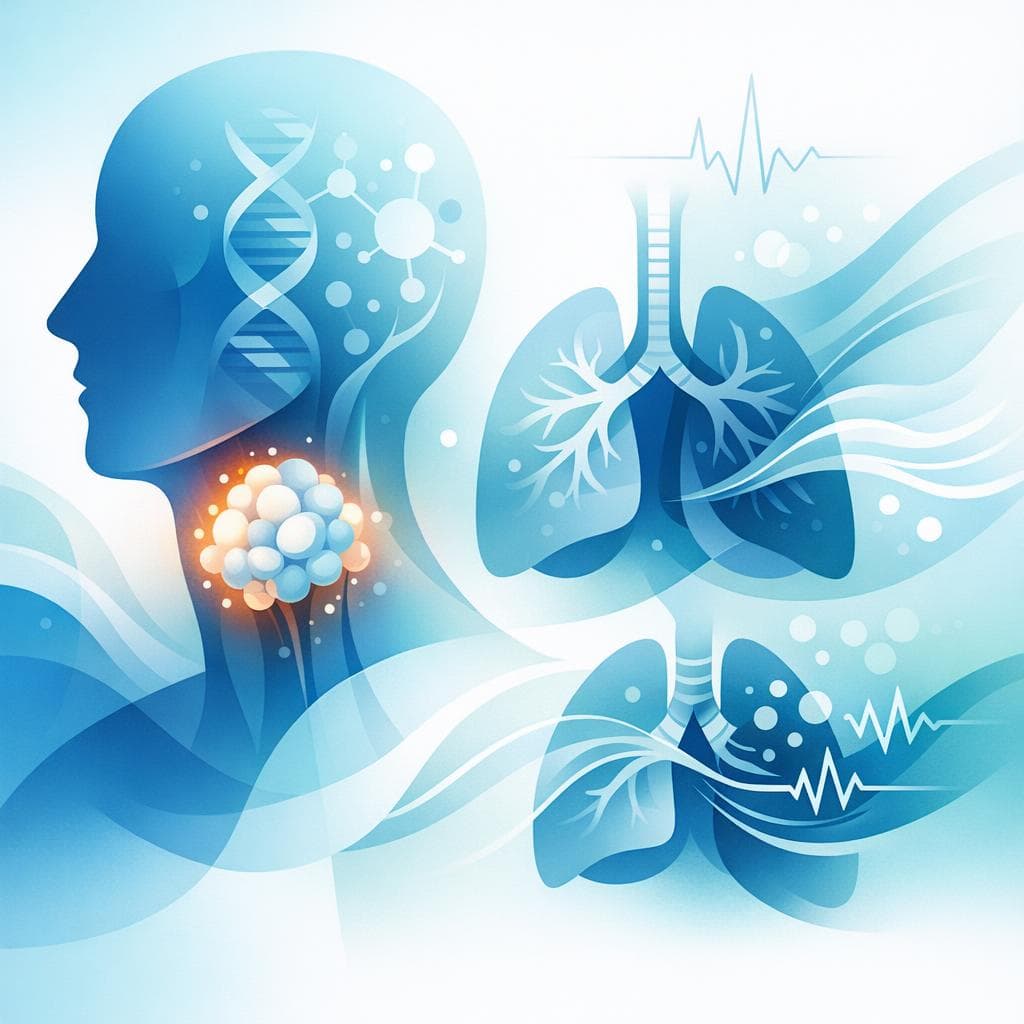
Sudden shortness of breath in head and neck cancer can happen for several reasons, and some are true emergencies that need immediate care. Common urgent causes include upper airway blockage from the tumor or swelling, breathing complications from treatment, blood clots in the lungs, severe infections, fluid around the lungs, and pressure on major veins in the chest. [1] [2]
Why breathlessness happens
-
Upper airway obstruction (blockage): Tumors in the throat, larynx (voice box), or windpipe (trachea) can narrow the airway and cause noisy breathing (stridor), wheezing, or abrupt shortness of breath. Stridor a high‑pitched sound when breathing in suggests a significant blockage that can rapidly worsen. [1] [3]
-
Laryngeal or supraglottic edema (airway swelling): Swelling from radiation, allergic reactions, infection, or impaired neck vein drainage can narrow the airway; in head and neck cancer, venous obstruction or catheter‑related clots can trigger sudden swelling and airway compromise. This can present with rapidly progressive hoarseness, muffled voice, difficulty swallowing, and acute breathlessness. [4] [4]
-
Aspiration and obstruction from secretions: Tumors and treatment can impair swallowing, leading to food or liquids entering the airway, causing choking, cough, and sudden breathing difficulty. Worsening cough with breathing trouble after eating or drinking may signal aspiration. [1]
-
Pulmonary embolism (PE) and other cardiopulmonary causes: Cancer increases clot risk; a sudden PE can cause abrupt shortness of breath, chest pain, fast heartbeat, and lightheadedness. Effusions (fluid around lungs/heart) and bleeding into airways can also cause acute dyspnea. [2] [5]
-
Severe lung infection (pneumonia) or treatment‑related lung inflammation: Fever, new or worsening cough, and breathlessness during or after chemotherapy, immunotherapy, or radiation can signal infection or drug‑related pneumonitis. These may progress quickly and need urgent evaluation. [6] [7]
-
Superior vena cava (SVC) syndrome: Tumor or thrombosis compressing the main vein returning blood from the head and arms can cause facial/neck swelling, distended neck veins, and shortness of breath that can worsen when lying down. This is an oncologic emergency. [2] [8]
Red‑flag symptoms that are emergencies
Seek immediate medical care (call emergency services or go to the nearest emergency department) if any of the following occur:
-
Noisy breathing (stridor), severe difficulty drawing breath, or rapidly worsening shortness of breath. These can mean upper airway obstruction that may require urgent airway management. [3] [1]
-
New severe hoarseness, muffled or “hot‑potato” voice, drooling, or trouble swallowing with breathing difficulty, which can indicate laryngeal edema or expanding obstruction. [4] [1]
-
Chest pain, sudden fast heartbeat, faintness, or coughing up blood along with shortness of breath, which may indicate pulmonary embolism or bleeding into the airway. [5] [2]
-
Fever, chills, or a new/worsening cough with breathlessness during or after cancer treatment, which may reflect a serious infection or treatment‑related lung inflammation. [6] [7]
-
Swelling of the face and neck with prominent neck veins, worse when lying flat, which can suggest SVC syndrome. [2] [8]
-
Any abrupt change in breathing in someone with known tracheal or laryngeal narrowing (for example, new stridor or inability to lie flat). [3] [1]
How clinicians assess and manage it
-
Rapid assessment is essential because cancer‑related respiratory problems can deteriorate quickly; prompt identification of the cause guides specific treatment. Evaluation typically includes airway inspection, oxygen measurement, urgent imaging when safe, and labs, with airway stabilization first if needed. [9] [8]
-
Airway emergencies (obstruction/edema): May require immediate interventions such as steroids to reduce swelling, nebulized treatments, endoscopic evaluation, and sometimes intubation or tracheostomy to secure the airway. Securing the airway takes priority before extensive testing. [9] [3]
-
Pulmonary embolism: Managed with anticoagulation if safe, and in severe cases advanced therapies; evaluation often includes CT pulmonary angiography. Rapid treatment improves outcomes. [2] [9]
-
Infections or treatment‑related pneumonitis: Managed with antibiotics for bacterial infection or corticosteroids for certain drug‑related lung inflammation, with close monitoring of oxygen levels. Early detection helps prevent worsening respiratory failure. [6] [7]
-
Pleural or pericardial effusions: May need drainage to relieve breathlessness and stabilize breathing. [10] [9]
-
SVC syndrome: Treated with measures to relieve venous obstruction such as steroids, anticoagulation if clot‑related, urgent oncology input for tumor‑directed therapy, and elevation of the head. Symptoms often improve with timely intervention. [2] [10]
Practical takeaways for people with head and neck cancer
-
Treat sudden, severe, or rapidly worsening shortness of breath as an emergency especially if there is noisy breathing, new voice changes, choking, chest pain, fever, facial/neck swelling, or hemoptysis (coughing blood). [1] [3]
-
Breathing trouble can arise from the tumor, treatment effects, blood clots, or infections, and each requires different urgent management, so it’s safer to be seen right away. [2] [9]
-
During active treatment, report new respiratory symptoms early this helps address infections or drug effects before they escalate. [6] [7]
Summary table: Causes and emergency signs
| Cause | Typical clues | Why it’s urgent |
|---|---|---|
| Upper airway obstruction (tumor/stenosis) | Stridor, hoarseness, difficulty inhaling, worse when lying flat | Risk of sudden airway closure; may need urgent airway procedures [3] [1] |
| Laryngeal/supraglottic edema | Rapid voice change, muffled voice, drooling, dysphagia with dyspnea | Swelling can rapidly block airway; may need steroids/airway support [4] |
| Aspiration/obstruction from secretions | Choking during meals, sudden cough, wheeze, breathlessness | Can cause hypoxia and pneumonia; needs urgent evaluation [1] |
| Pulmonary embolism | Sudden dyspnea, chest pain, tachycardia, faintness | Life‑threatening clot; needs immediate anticoagulation if appropriate [5] [2] |
| Infection/pneumonitis | Fever, new/worsening cough, dyspnea during/after therapy | Can progress quickly; antibiotics or steroids may be required [6] [7] |
| Pleural/pericardial effusion | Worsening breathlessness, difficulty taking deep breaths | May need drainage to relieve breathing and prevent collapse [10] |
| SVC syndrome | Face/neck/arm swelling, dilated neck veins, dyspnea worse supine | Oncologic emergency; needs rapid oncologic and supportive care [2] [8] |
If you ever experience any of the emergency signs above, please seek immediate medical help rather than waiting for a clinic message or routine appointment.
Related Questions
Related Articles


Sources
- 1.^abcdefghiHead and Neck Cancer Symptoms & Signs | Memorial Sloan Kettering Cancer Center(mskcc.org)
- 2.^abcdefghijDyspnea and the cancer patient--an overview.(pubmed.ncbi.nlm.nih.gov)
- 3.^abcdefTracheal Diseases(mskcc.org)
- 4.^abcdLaryngeal edema induced by neck dissection and catheter thrombosis.(pubmed.ncbi.nlm.nih.gov)
- 5.^abcSymptoms and causes - Mayo Clinic(mayoclinic.org)
- 6.^abcdePatient information - Head and neck cancer recurrent or metastatic - Carboplatin, fluorouracil and pembrolizumab(eviq.org.au)
- 7.^abcdePatient information - Head and neck cancer recurrent or metastatic - Carboplatin, fluorouracil and pembrolizumab(eviq.org.au)
- 8.^abcdPathophysiology and diagnosis of dyspnea in patients with advanced cancer.(pubmed.ncbi.nlm.nih.gov)
- 9.^abcdeAcute respiratory failure.(pubmed.ncbi.nlm.nih.gov)
- 10.^abc[Respiratory emergency].(pubmed.ncbi.nlm.nih.gov)
Important Notice: This information is provided for educational purposes only and is not intended to replace professional medical advice, diagnosis, or treatment. Always consult with a qualified healthcare provider before making any medical decisions.