
 Persly Medical Team
Based on PubMed | Can advanced head and neck cancer cause abdominal bloating, and what mechanisms or complications commonly lead to this symptom?
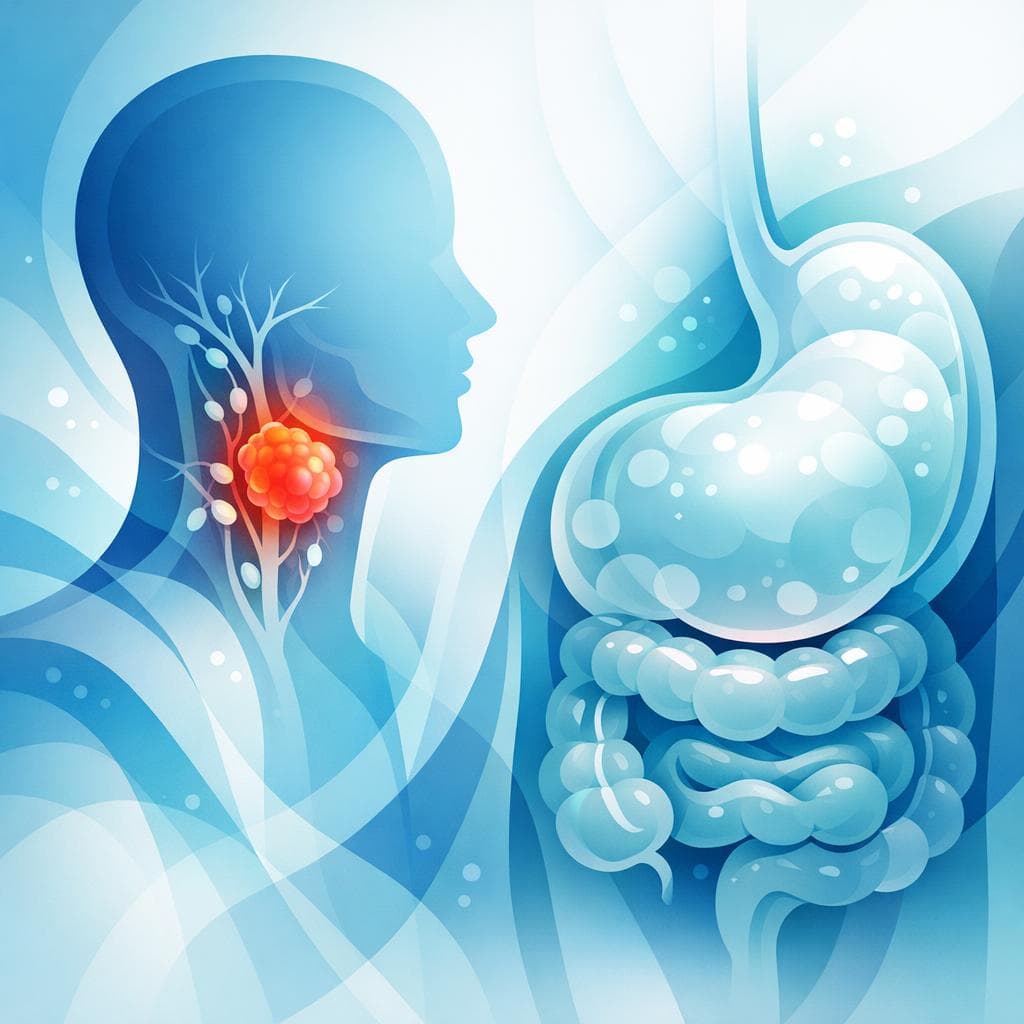
Advanced head and neck cancer can lead to abdominal bloating, most often from indirect causes such as chemotherapy-related GI upset, opioid-induced constipation, and cancer cachexia with slowed motility. Less commonly, malignant ascites or bowel obstruction from rare peritoneal spread can cause distension and pain; urgent evaluation is needed for severe pain, vomiting, inability to pass gas/stool, or rapidly increasing abdominal girth.
Advanced head and neck cancer can be associated with abdominal bloating, though it is usually indirect. The most common reasons are treatment side effects (like constipation from opioids or chemotherapy-related gastrointestinal upset), progressive malnutrition and slowed gut motility, and, less commonly, cancer-related complications such as malignant ascites (fluid in the abdomen) or bowel obstruction when cancer spreads to the abdomen. While true peritoneal or bowel metastases from head and neck squamous cell carcinoma are rare, they have been reported and can cause ascites, abdominal pain, or obstruction-related bloating. [1]
How bloating happens in advanced cancer
- Gastrointestinal side effects of cancer therapies: Chemotherapy and immunotherapy used for recurrent/metastatic head and neck cancer (such as regimens with platinum, fluorouracil, and pembrolizumab) frequently cause gastrointestinal symptoms, including bloating, cramping, and abdominal pain. These issues can accompany diarrhea or occur alongside other digestive upset. [2] If diarrhea is severe or uncontrolled, it warrants urgent assessment because dehydration and electrolyte problems can follow. [3]
- Opioid-related constipation: Many people receiving cancer care take opioid pain medicines; opioids slow gut motility and commonly cause constipation and bloating. Best practice includes routine use of stool softeners and stimulant laxatives, while first ruling out obstruction if red flags are present. [4]
- Cancer-related cachexia and decreased intake: Advanced cancer often causes loss of appetite and early satiety; slowed intestinal function and altered digestion can contribute to a sense of fullness and bloating. In large series of individuals with advanced cancer, gastrointestinal symptoms such as early satiety and constipation are highly prevalent and often severe. [5]
- Malignant ascites (cancer-related fluid in the abdomen): When cancer involves the peritoneum (the abdominal lining) or disrupts lymph drainage, fluid can accumulate, causing visible swelling, tightness, shortness of breath, and early satiety. Ascites is a recognized complication in advanced malignancy and can present with abdominal distension and perceived bloating. [6] Peritoneal cancers commonly cause ascites and bloating; the fluid may need drainage if symptomatic or recurrent. [7] [8]
- Bowel obstruction: Cancer growing in or compressing the intestines whether due to peritoneal spread or an unrelated second gastrointestinal cancer can block the bowel, leading to crampy pain, nausea, vomiting, and pronounced bloating. Malignant bowel obstruction is a well-described complication in advanced cancer and may require medical therapy or procedures depending on location and severity. [9] [10]
Can head and neck cancer spread to the abdomen?
- Typical distant spread sites for head and neck squamous cell carcinoma are the lungs, bone, liver, and brain. Peritoneal metastases are extremely rare but documented; published cases describe oropharyngeal or tongue cancers later presenting with ascites, peritoneal implants, or small-bowel lesions that can even perforate. [1] [11] Because this pattern is rare, new abdominal symptoms should be assessed broadly to rule out both treatment-related causes and other cancers. [1]
What symptoms suggest urgent evaluation?
- Severe, persistent abdominal pain with vomiting, inability to pass gas or stool, or abdominal distension can suggest bowel obstruction and needs urgent assessment. Bowel obstruction in advanced cancer can be life-threatening and often requires rapid intervention. [9]
- Rapidly increasing abdominal girth, shortness of breath from pressure, fever, or significant tenderness may indicate infected ascites or other complications. Peritoneal fluid can lead to discomfort, breathing issues, and sometimes infection, and may require drainage. [7]
Practical management approaches
- Address treatment-related GI effects: Report new or worsening bloating, diarrhea, or cramping promptly; anti-diarrheal strategies, diet adjustments, and hydration can help, alongside clinician-guided medications. [2] [3]
- Prevent and treat constipation: Prophylactic bowel regimens (softener plus stimulant) are commonly needed with opioids, and obstruction must be excluded if there are concerning signs. [4]
- Evaluate for malignant ascites: When ascites is suspected (visible swelling, shifting dullness, early satiety), clinicians often perform diagnostic paracentesis to guide treatment; management may include diuretics in select cases or therapeutic drainage for symptom relief. [6] Because peritoneal spread often causes ascites and bloating, repeated drainage or catheter management may be needed for comfort in advanced disease. [7] [8]
- Consider multifactorial causes: In advanced cancer, multiple symptoms often cluster; addressing nutrition, activity as tolerated, and medication side effects together can reduce bloating and improve quality of life. [5]
Quick reference table: Common mechanisms of bloating in advanced head and neck cancer
| Mechanism | How it causes bloating | Clues/Associated signs | Why it matters |
|---|---|---|---|
| Treatment-related GI upset (chemo/immunotherapy) | Mucosal irritation, motility changes | Cramping, diarrhea, abdominal pain | Often manageable with meds, diet, hydration; report severe symptoms |
| Opioid-induced constipation | Slows bowel movement | Hard stools, infrequent bowel movements, distension | Requires prophylactic laxatives; rule out obstruction if severe |
| Malignant ascites | Fluid accumulation in abdomen | Abdominal swelling, early satiety, shortness of breath | Needs evaluation; drainage provides relief; infection risk |
| Bowel obstruction | Blocked intestinal passage | Pain, vomiting, inability to pass gas/stool | Medical urgency; specific therapies/procedures needed |
| Rare peritoneal/small-bowel metastasis from HNSCC | Implants or lesions on peritoneum/bowel | Ascites, pain, obstruction, rarely perforation | Uncommon but reported; changes staging and treatment |
Bottom line
- Yes, abdominal bloating can occur in advanced head and neck cancer, most often due to treatment effects and constipation, and less commonly due to malignant ascites or bowel obstruction from spread to the abdomen. [2] [3] [4] [6] [9]
- Although peritoneal and bowel metastases from head and neck squamous cell carcinoma are rare, they are documented and can cause bloating via ascites or obstruction. [1] [11]
- New or rapidly worsening bloating, especially with pain, vomiting, or inability to pass gas/stool, should be evaluated urgently to rule out obstruction or infected ascites. [9] [7]
Related Questions
Related Articles



Sources
- 1.^abcdeA rare case of peritoneal metastases from oropharyngeal squamous cell carcinoma in a young male after completion of chemoradiotherapy.(pubmed.ncbi.nlm.nih.gov)
- 2.^abcdPatient information - Head and neck cancer recurrent or metastatic - Cisplatin, fluorouracil and pembrolizumab(eviq.org.au)
- 3.^abcdPatient information - Head and neck cancer recurrent or metastatic - Carboplatin, fluorouracil and pembrolizumab(eviq.org.au)
- 4.^abcdCurrent approaches to the management of constipation.(pubmed.ncbi.nlm.nih.gov)
- 5.^abThe symptoms of advanced cancer.(pubmed.ncbi.nlm.nih.gov)
- 6.^abcdManagement of ascites due to gastrointestinal malignancy.(pubmed.ncbi.nlm.nih.gov)
- 7.^abcdeSymptoms and causes - Mayo Clinic(mayoclinic.org)
- 8.^abcPeritoneal carcinomatosis - Symptoms and causes(mayoclinic.org)
- 9.^abcdeSelected complications in the patient with cancer: spinal cord compression, malignant bowel obstruction, malignant ascites, and gastrointestinal bleeding.(pubmed.ncbi.nlm.nih.gov)
- 10.^↑Intestinal obstruction.(pubmed.ncbi.nlm.nih.gov)
- 11.^abcPerforation of the small bowel due to metastasis from tongue cancer.(pubmed.ncbi.nlm.nih.gov)
Important Notice: This information is provided for educational purposes only and is not intended to replace professional medical advice, diagnosis, or treatment. Always consult with a qualified healthcare provider before making any medical decisions.