
 Persly Medical Team
Based on WHO | Can gallbladder cancer present with back pain, and what characteristics of the pain might indicate a biliary source?
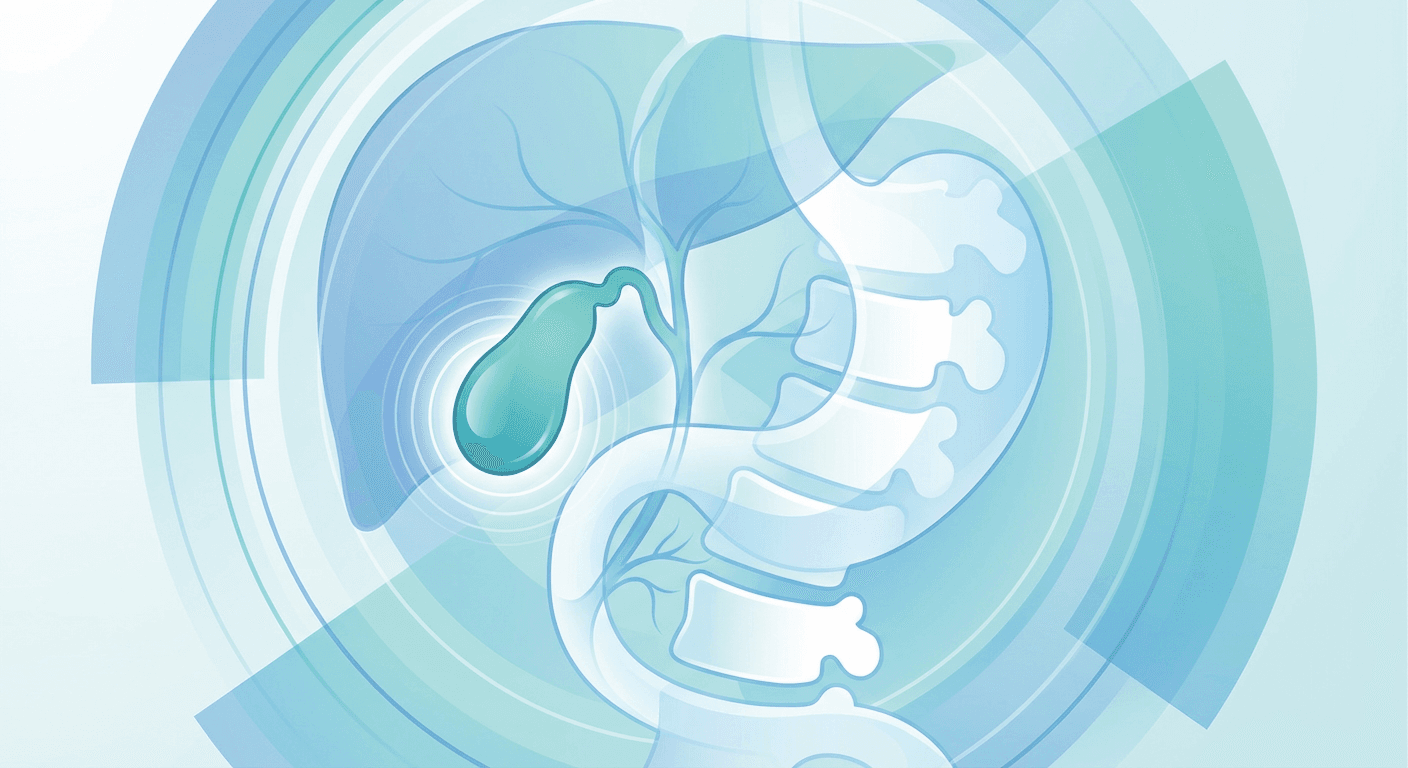
Gallbladder cancer can cause pain that radiates to the back or right shoulder blade, more often when the disease is advanced or causing biliary obstruction or inflammation. Biliary-type pain is typically steady RUQ/epigastric pain lasting hours, not positional, and may be accompanied by nausea, vomiting, fever, or jaundice (with dark urine and pale stools), which should prompt medical evaluation.
Overview
Gallbladder cancer can present with pain that radiates to the back or right shoulder blade, but this typically occurs when the disease is more advanced or when it causes blockage or inflammation in the biliary system. [1] Gallbladder cancer often has few or nonspecific symptoms early on, so back or shoulder radiation is more commonly reported with progressing disease or complications (such as obstruction leading to jaundice or concurrent cholecystitis). [2] [3]
Can gallbladder cancer cause back pain?
- Gallbladder cancer frequently causes vague upper abdominal discomfort or dull pain in the right upper quadrant (under the right ribs), and this pain may spread to the right shoulder or the area beneath the right shoulder blade. [1] Early symptoms are often minimal, and many cases are found at later stages when pain and jaundice are present. [2] Population and retrospective series consistently list pain as a common symptom in gallbladder cancer cohorts, aligning with biliary pain syndromes. [3]
Pain characteristics suggesting a biliary origin
When back pain is related to the biliary system (gallbladder, bile ducts), it tends to have recognizable features that differ from typical musculoskeletal back pain:
- Location: Steady pain in the right upper quadrant (RUQ) or epigastrium (upper middle abdomen), sometimes felt under the right rib cage, with radiation to the back or right shoulder blade. [1] [4]
- Quality: Usually steady and intense rather than sharp, fleeting, or positional; commonly described as dull or colicky when obstruction occurs. [4] [5]
- Duration: Lasts for hours, sometimes up to a day, rather than seconds or minutes; episodes can be prolonged and may recur. [4] [6]
- Triggers: Not reliably tied to body position or movement; can occur at night and may awaken a person from sleep; some people notice worsening after fatty meals, although this is not universally present. [6] [7]
- Associated symptoms: Nausea, vomiting, bloating, loss of appetite, and sometimes fever if infection (cholecystitis or cholangitis) coexists. [8] [5] Obstruction can cause jaundice (yellowing of skin/eyes), dark urine, light-colored stools, and itching, which strengthen the suspicion of a biliary source. [1] [9]
Differentiating biliary pain from musculoskeletal back pain
- Biliary-type pain: RUQ/epigastric origin with radiation to the back or right shoulder, steady intensity, lasts ≥1 hour, often accompanied by gastrointestinal symptoms (nausea/vomiting), sometimes fever or jaundice in complicated cases. [4] [5] [10]
- Musculoskeletal pain: Typically localized to the back, positional (worse with certain movements or lifting), tender to touch, and relieved by rest, heat, or anti-inflammatory medications; usually lacks gastrointestinal or jaundice-related features. (No direct citation required for general clinical distinction.)
Red flags that point toward hepatobiliary or biliary tract disease
- Jaundice (yellowing of skin/eyes), dark urine, pale stools, generalized itching, and unexplained weight loss these raise concern for obstructive processes, including biliary tract cancers. [9] [11]
- Palpable mass under the right ribs and progressive RUQ pain more suggestive of advanced gallbladder cancer. [1] Cohort data show high rates of RUQ pain in gallbladder cancer at presentation. [12]
- Fever and chills with RUQ pain can indicate infection in the bile ducts (cholangitis) or inflamed gallbladder (cholecystitis), which may coexist with or mimic cancer-related obstruction. [10] [5]
Practical pointers
- Pattern matters: Steady RUQ/epigastric pain that radiates to the back or right shoulder and lasts hours is more typical of biliary pain than of spine or muscle strain. [4]
- Look for accompaniments: Nausea/vomiting, fever, or jaundice increase the likelihood that the source is biliary rather than musculoskeletal. [5] [9]
- Stage and timing: Gallbladder cancer often remains silent early; when pain and jaundice appear, disease is commonly advanced. [2] Therefore, new RUQ pain with back radiation plus systemic signs warrants timely medical evaluation. [9]
Summary
- Yes, gallbladder cancer can present with pain radiating to the back or right shoulder blade, especially when disease progresses or causes biliary obstruction or inflammation. [1] [2]
- Biliary-type pain is typically steady RUQ/epigastric pain lasting hours, may radiate to the back/right shoulder, is not positional, and may be accompanied by nausea, vomiting, fever, or jaundice. [4] [5] [9]
- Red flags such as jaundice, pale stools, dark urine, itching, or unexplained weight loss should prompt urgent assessment for hepatobiliary disease. [11] [9]
Related Questions
Related Articles

Sources
- 1.^abcdef담낭암 [Gallbladder cancer] | 건강정보(health.severance.healthcare)
- 2.^abcdGallbladder Cancer(mskcc.org)
- 3.^abGallbladder cancer: current status in clinical practice.(pubmed.ncbi.nlm.nih.gov)
- 4.^abcdefSymptoms of gallstone disease.(pubmed.ncbi.nlm.nih.gov)
- 5.^abcdefColecistitis aguda: MedlinePlus enciclopedia médica(medlineplus.gov)
- 6.^abCircadian periodicity and other clinical features of biliary pain.(pubmed.ncbi.nlm.nih.gov)
- 7.^↑Chronic upper abdominal pain: site and radiation in various structural and functional disorders and the effect of various foods.(pubmed.ncbi.nlm.nih.gov)
- 8.^↑Gallbladder Cancer(mskcc.org)
- 9.^abcdefWhat is biliary tract cancer?(mayoclinic.org)
- 10.^abColangitis: MedlinePlus enciclopedia médica(medlineplus.gov)
- 11.^abLiver Cancer Symptoms(mskcc.org)
- 12.^↑[Cancer of the gallbladder].(pubmed.ncbi.nlm.nih.gov)
Important Notice: This information is provided for educational purposes only and is not intended to replace professional medical advice, diagnosis, or treatment. Always consult with a qualified healthcare provider before making any medical decisions.