
 Persly Medical Team
Based on WHO | Can gallbladder cancer cause heart palpitations, and what mechanisms or related complications might explain this symptom?
Gallbladder cancer rarely causes palpitations directly, but palpitations can result from complications like cardiac metastasis or pericardial effusion (rare), paraneoplastic autonomic dysfunction, electrolyte imbalances, anemia, pain/fever/stress, or severe cholestasis with bile-acid effects. Evaluation should include ECG and labs (electrolytes, CBC), with echocardiography if cardiac involvement is suspected; management targets reversible triggers and involves coordinated oncology–cardiology care.
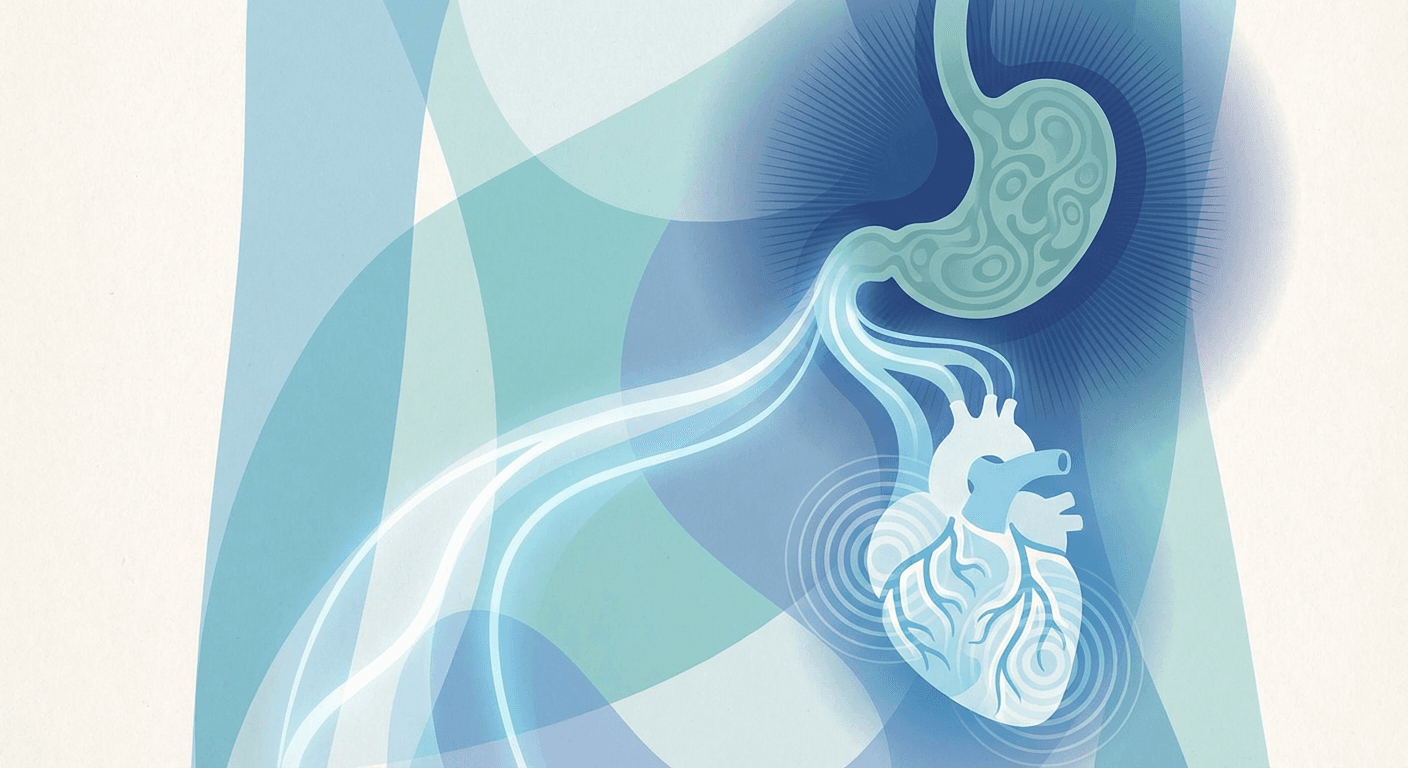
Gallbladder cancer does not typically cause heart palpitations directly, but palpitations can occur in people with gallbladder cancer through several plausible mechanisms and related complications. These include rare cardiac metastasis, paraneoplastic autonomic dysfunction, treatment- or illness-related electrolyte abnormalities, anemia, pain/stress or infection (fever), and severe cholestasis with systemic bile acid effects. Each pathway has different likelihoods and clinical clues, and multiple mechanisms can coexist.
How gallbladder cancer presents
Gallbladder cancer often causes no symptoms until it is advanced; typical manifestations involve jaundice, abdominal pain, fever, nausea, vomiting, and abdominal fullness or masses. [1] Gallbladder cancer is uncommon and frequently detected late because the gallbladder is hidden and early symptoms resemble common conditions. [2] [3] When found early the chance for cure is better, but most cases are diagnosed after the tumor has grown beyond the gallbladder. [2] [4]
Mechanisms linking gallbladder cancer to palpitations
1) Rare cardiac metastasis or pericardial involvement
Although unusual, gallbladder carcinoma can metastasize to the heart or pericardium, leading to malignant pericardial effusion, chest pain, shortness of breath, and potentially rhythm disturbances due to myocardial or pericardial involvement. [5] Metastasis to the heart from noncardiac tumors can produce cardiovascular abnormalities as direct effects of tumor deposits. [6] In reported cases, pericardial effusion caused symptoms of heart failure; arrhythmias may occur in the setting of myocardial irritation or hemodynamic compromise. [5] [6]
2) Paraneoplastic autonomic nervous system dysfunction
Paraneoplastic syndromes can affect nerves that control heart rate and blood pressure, resulting in low blood pressure, irregular heartbeats, and breathing difficulties. [7] These syndromes develop because the immune system’s cancer-fighting response mistakenly attacks parts of the nervous system and can arise before cancer is diagnosed. [8] [9] Although more classically associated with lung, ovary, breast, testis, or lymphatic cancers, paraneoplastic autonomic involvement is a recognized mechanism for irregular heart rhythms and palpitations in the broader oncology context. [10] [7]
3) Electrolyte disturbances and metabolic derangements
Cancer, poor oral intake, vomiting, cholestasis, and certain medications can contribute to electrolyte imbalances (like low potassium, magnesium, or calcium), which can provoke tachycardia and arrhythmias. [11] Hypokalemia, in particular, is known to cause cardiac arrhythmias and amplify the effects of medications that influence heart rhythm. [12] Severe systemic illness and dehydration can also shift electrolytes and acid-base balance in ways that increase palpitation risk. [13]
4) Anemia (low red blood cells)
Anemia common in cancer due to chronic disease, bleeding, nutritional deficits, or treatment effects can trigger compensatory tachycardia and palpitations as the heart works harder to deliver oxygen. [11]
5) Pain, fever, infection, and stress response
Gallbladder cancer may present with abdominal pain and fever; both can elevate sympathetic tone and heart rate, perceived as palpitations. [1] Systemic stress, anxiety, and catecholamine surges similarly increase heart rate and rhythm irritability. [11]
6) Severe cholestasis and bile acid effects
Marked cholestasis raises circulating bile acids; experimental data show bile acids (e.g., taurocholate) can directly alter cardiomyocyte electrical behavior and contraction, producing arrhythmia via partial agonism of muscarinic M2 receptors and disturbed calcium handling. [14] [15] While these findings come from fetal and neonatal cardiomyocyte models, they support a biologically plausible link between high bile acids in cholestatic states and arrhythmogenic effects. [14] [16]
Practical red flags and evaluation
- New palpitations with chest pain, shortness of breath, lightheadedness, or fainting warrant urgent evaluation to exclude cardiac ischemia, pericardial effusion, or significant arrhythmia. [5] [6]
- Signs of advanced gallbladder cancer (jaundice, abdominal pain, fever, abdominal mass) plus palpitations raise concern for systemic complications such as anemia, infection, or electrolyte disturbances. [1] [2]
- Persistent tachycardia or irregular beats in the context of cholestasis may prompt assessment of bile acid burden and autonomic involvement. [14] [7]
Suggested workup
- ECG and rhythm monitoring to identify arrhythmia type. [11]
- Basic metabolic panel (potassium, magnesium, calcium, sodium), thyroid function, complete blood count (to detect anemia), and inflammatory markers when infection or inflammation is suspected. [11]
- Consider echocardiography if there are signs of pericardial effusion or cardiac involvement (dyspnea, chest pain, muffled heart sounds, hypotension, enlarged cardiac silhouette). [5]
- Evaluate cancer status and cholestasis severity if jaundice or pruritus is present. [1] [2]
Management considerations
- Correct electrolyte abnormalities and treat anemia to reduce arrhythmia risk. [11] [12]
- Address pain, fever, and infection to lower sympathetic drive and heart rate. [1]
- If pericardial effusion or cardiac metastasis is suspected, cardiology and oncology collaboration is important; pericardial drainage or window may be needed for symptomatic relief. [5]
- For suspected paraneoplastic autonomic dysfunction, treating the underlying cancer and considering immunomodulatory therapies may help, though outcomes vary. [7] [9]
- In severe cholestasis, optimizing biliary drainage and medical management may reduce bile acid levels and potentially mitigate rhythm irritability. [2] [14]
Summary table: Mechanisms and clinical clues
| Mechanism | How it can cause palpitations | Clinical clues | Initial tests |
|---|---|---|---|
| Cardiac metastasis/pericardial effusion | Irritation/compression of heart causing arrhythmia or tachycardia | Dyspnea, chest pain, hypotension, enlarged cardiac silhouette | ECG, echocardiogram, chest imaging [5] [6] |
| Paraneoplastic autonomic dysfunction | Irregular heartbeats via autonomic nerve involvement | Rapid onset neurologic/autonomic symptoms (BP swings, irregular HR) | ECG, autonomic testing as indicated [7] [9] |
| Electrolyte disturbances | Hypokalemia/magnesemia/calcium shifts provoke arrhythmia | Poor intake, vomiting, diuretics, systemic illness | BMP (K, Mg, Ca, Na), ECG [11] [12] |
| Anemia | Compensatory tachycardia due to low oxygen carrying capacity | Fatigue, pallor, cancer-related blood loss | CBC, iron studies as needed [11] |
| Pain/fever/stress | Sympathetic surge induces tachycardia | Abdominal pain, fever, infection signs | Vitals, labs for infection, ECG [1] [11] |
| Severe cholestasis/bile acids | Direct arrhythmogenic effects on cardiomyocytes | Jaundice, pruritus, elevated bile acids | Liver tests, bile acid assessment, ECG [14] [1] |
Key takeaways
- Gallbladder cancer itself rarely causes palpitations directly, but palpitations can arise from its complications or systemic effects. [1] [2]
- Serious but rare causes include cardiac metastasis and pericardial effusion; more common drivers are anemia, electrolyte imbalances, pain/fever, and stress. [5] [11]
- Marked cholestasis may contribute via bile-acid–mediated electrophysiologic effects on heart cells, supporting a biologically plausible link in severe cases. [14] [15]
- Prompt evaluation focuses on ruling out dangerous arrhythmias and correcting reversible triggers (electrolytes, anemia, infection), while coordinating oncology and cardiology care when cardiac involvement or paraneoplastic processes are suspected. [11] [5] [7]
Related Questions
Related Articles

Sources
- 1.^abcdefghGallbladder Cancer(medlineplus.gov)
- 2.^abcdefGallbladder cancer - Symptoms and causes(mayoclinic.org)
- 3.^↑Symptoms and causes - Mayo Clinic(mayoclinic.org)
- 4.^↑Gallbladder cancer - Symptoms and causes(mayoclinic.org)
- 5.^abcdefghCardiac metastasis from gallbladder carcinoma.(pubmed.ncbi.nlm.nih.gov)
- 6.^abcdCardiac effects of noncardiac neoplasms.(pubmed.ncbi.nlm.nih.gov)
- 7.^abcdefParaneoplastic syndromes of the nervous system - Symptoms and causes(mayoclinic.org)
- 8.^↑Symptoms and causes - Mayo Clinic(mayoclinic.org)
- 9.^abcParaneoplastic syndromes of the nervous system - Symptoms and causes(mayoclinic.org)
- 10.^↑Paraneoplastic syndromes of the nervous system - Symptoms and causes(mayoclinic.org)
- 11.^abcdefghijkTachycardia - Symptoms and causes(mayoclinic.org)
- 12.^abc(dailymed.nlm.nih.gov)
- 13.^↑(dailymed.nlm.nih.gov)
- 14.^abcdefBile acid-induced arrhythmia is mediated by muscarinic M2 receptors in neonatal rat cardiomyocytes.(pubmed.ncbi.nlm.nih.gov)
- 15.^abBile acid signaling in fetal tissues: implications for intrahepatic cholestasis of pregnancy.(pubmed.ncbi.nlm.nih.gov)
- 16.^↑Bile acid signaling in fetal tissues: implications for intrahepatic cholestasis of pregnancy.(pubmed.ncbi.nlm.nih.gov)
Important Notice: This information is provided for educational purposes only and is not intended to replace professional medical advice, diagnosis, or treatment. Always consult with a qualified healthcare provider before making any medical decisions.