
 Persly Medical Team
Is a skin rash common in cancer, causes and care
Is Skin Rash a Common Symptom of Cancer? Causes and Management
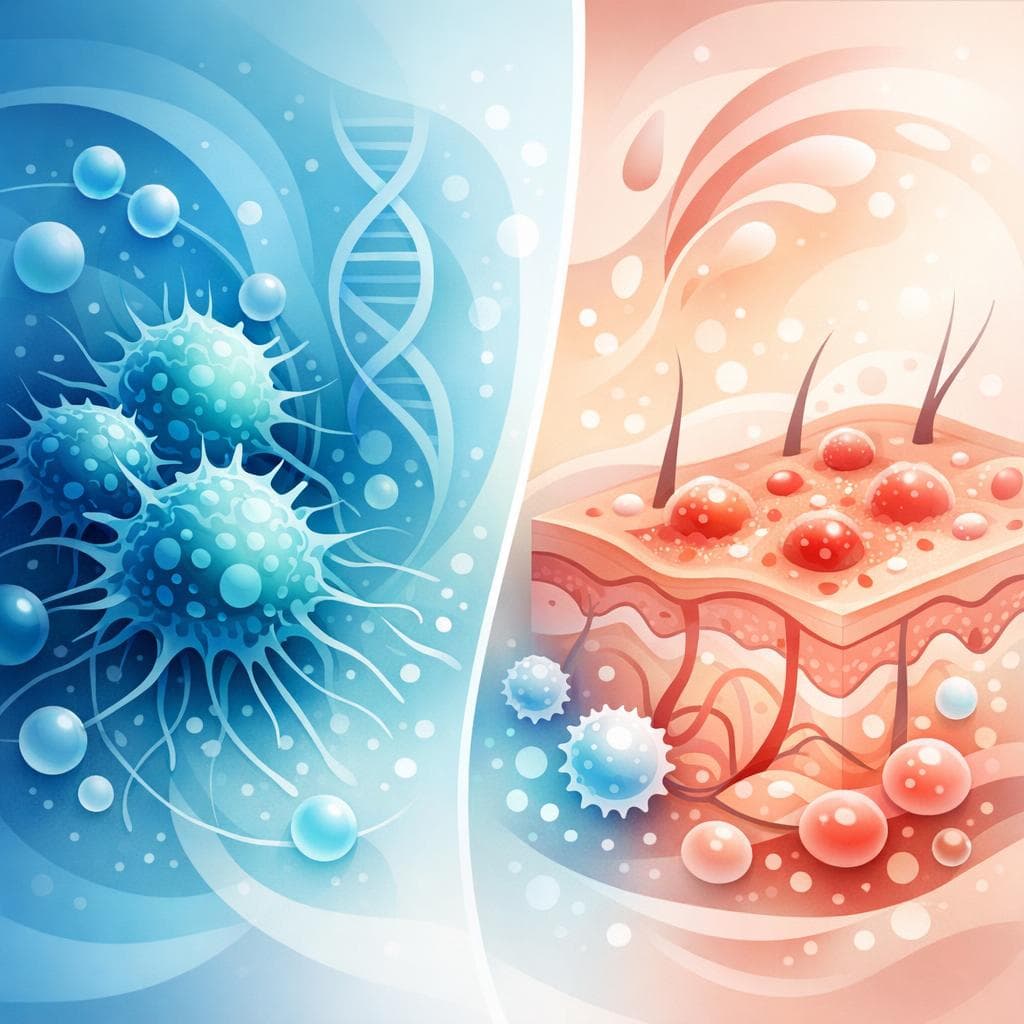
Skin rash is not usually a primary symptom of most cancers, but it is quite common during cancer treatment, especially with chemotherapy, targeted therapy, immunotherapy, and sometimes radiation. [1] Many cancer drugs can trigger maculopapular rashes (small red bumps and flat spots) and other skin changes due to effects on fast‑renewing skin cells and immune‑mediated reactions. [2] Some cancers that directly involve the skin, such as cutaneous lymphomas, can present with rashes, patches, or bumps on the skin. [3]
How Often and Why Rashes Happen
- Chemotherapy, targeted therapy, and immunotherapy frequently affect the skin because it renews quickly, making it vulnerable to treatment side effects like dryness, itchiness, and rashes. [1] Immunotherapy can specifically cause immune‑related skin reactions, often managed with moisturizers and prescription topical steroids when needed. [4]
- Across anticancer drugs, maculopapular rash is the most common drug‑induced reaction; in rare cases, severe reactions like Stevens–Johnson syndrome (SJS) or toxic epidermal necrolysis (TEN) can occur and require immediate medical attention. [2] The exact mechanisms vary by drug, and immune hypersensitivity (such as urticaria or vasculitis) is a known pathway. [5]
- Some skin changes may arise from radiation therapy and can present as temporary redness and irritation in treated areas. [6]
When Rashes Are Part of the Cancer Itself
Certain cancers that involve the skin, notably cutaneous lymphomas, may cause dry, red, scaly patches, rashes, or nodules on the skin, sometimes with enlarged lymph nodes. [3] These signs can resemble common dermatologic conditions, so medical evaluation is important to confirm the cause. [3]
Red Flags You Shouldn’t Ignore
- Rapidly spreading rash with blisters, peeling, fever, mouth or eye involvement may suggest severe reactions like SJS/TEN and needs urgent medical care; such agents should not be re‑used once diagnosed. [2]
- Painful, purplish spots, signs of infection (pus, warmth), or systemic symptoms (fever, malaise) during treatment warrant prompt evaluation. [1]
Common Causes of Rash in Cancer Care
- Drug‑induced rashes: maculopapular eruptions, hives (urticaria), and contact dermatitis tied to specific anticancer agents and protocols. [5]
- Immune‑related events from immunotherapy: generalized dryness, itch, and rash due to heightened immune activity. [4]
- Radiation dermatitis: localized redness and irritation in treated fields. [6]
- Infection risk: cancer treatments can impair skin barriers, increasing susceptibility to skin infections that appear as redness, tenderness, or pustules. [1]
Practical Management Strategies
- Gentle skincare: keep skin moisturized with fragrance‑free creams or ointments (e.g., Eucerin, CeraVe, Aquaphor), used more than once daily if needed. [4]
- Itch and rash control: for mild rashes, non‑perfumed moisturizers and avoiding scratching can help; clinicians may prescribe topical steroid creams for symptomatic relief. [4] Some patient guides recommend gentle moisturizers and sun protection for drug‑related rashes. [7]
- Treatment planning: supportive dermatology services can assess whether a rash is treatment‑related and tailor therapy to reduce discomfort and prevent complications. [8]
- Skin hygiene and protection: short warm showers, limit bathing frequency to avoid drying, and protect from sun exposure with clothing and hats as appropriate. [9] Sensitive skin care during treatment can reduce itching and rash. [1]
What Your Care Team May Do
- Assess severity: determine if the rash is mild, moderate, or severe, and whether it is drug‑related, radiation‑related, infection, or an immune‑mediated event. [8]
- Adjust therapy: depending on severity, clinicians may modify drug doses, pause treatment, or add medications (topical steroids, antihistamines, or, for immune‑related events, systemic steroids) to control symptoms. [4]
- Prevent recurrence: if severe reactions such as SJS/TEN occur, the causative drug should not be re‑introduced. [2]
Summary
- Skin rashes are more commonly associated with cancer treatments than with cancer itself, and most are manageable with proper skincare and medical guidance. [1] The most frequent pattern is a maculopapular drug rash, while severe reactions are rare but require urgent care. [2] If a rash appears alongside other symptoms or looks atypical, clinical evaluation helps distinguish between treatment side effects, infections, and cancer‑related skin conditions such as cutaneous lymphoma. [3] [8]
Related Questions
Related Articles

Sources
- 1.^abcdefDermatologic Health(mskcc.org)
- 2.^abcde1853-Skin rash | eviQ(eviq.org.au)
- 3.^abcdSymptoms(stanfordhealthcare.org)
- 4.^abcdeManaging Your Immunotherapy Side Effects(mskcc.org)
- 5.^ab1853-Skin rash | eviQ(eviq.org.au)
- 6.^ab국가암정보센터(cancer.go.kr)
- 7.^↑Patient information - Bladder/urinary tract cancer locally advanced or metastatic - Cisplatin and gemcitabine(eviq.org.au)
- 8.^abcCancer DSL Supportive Dermatology(stanfordhealthcare.org)
- 9.^↑Coping with cancer - looking and feeling your best: MedlinePlus Medical Encyclopedia(medlineplus.gov)
Important Notice: This information is provided for educational purposes only and is not intended to replace professional medical advice, diagnosis, or treatment. Always consult with a qualified healthcare provider before making any medical decisions.