
 Persly Medical Team
Nerve Pain in Cancer: Causes and Management
Nerve Pain in Cancer: Causes, Symptoms, and Management
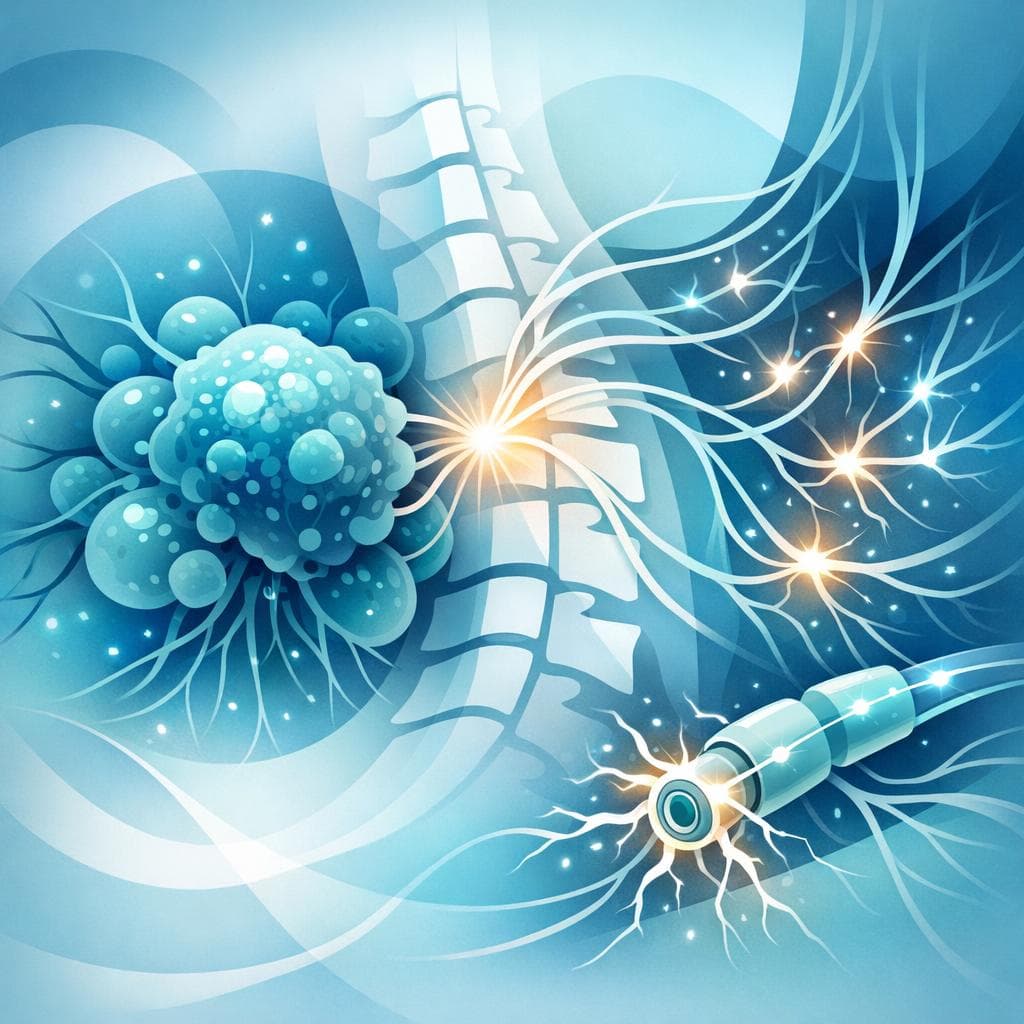
Yes, nerve pain (neuropathic pain) can be a common symptom in cancer, though it varies by cancer type, stage, and treatment. Cancer can cause pain by pressing on or invading nerves, bones, or organs, and treatments like surgery, chemotherapy, and radiation can also injure nerves. [1] Tumors may grow into nearby tissues and compress nerves or release chemicals that trigger pain, which can be managed by treating the cancer itself and using pain-control strategies. [2] Not all people with cancer have pain, but when present, it is often manageable with a combination of medications and non-drug therapies. [3]
How Common Is Cancer-Related Nerve Pain?
- Neuropathic cancer pain affects a substantial proportion of people with cancer, often estimated in the range of 30–40%. This reflects pain from direct tumor involvement, nerve compression or infiltration, and treatment-induced nerve injury. [4]
- Cancer pain overall is common but varies widely, and controlling it is considered an essential part of care. Pain may be constant or intermittent, and is influenced by cancer type, stage, location, and individual tolerance. [1]
Why Nerve Pain Happens
Tumor-Related Causes
- Direct pressure or invasion of nerves, bones, or organs by a tumor can cause sharp, burning, or electric-like pain. As tumors enlarge, they may compress nerve pathways or destroy local tissue, provoking neuropathic symptoms. [2]
- Cancer can also cause blockages or inflammation in body structures, leading to nerve irritation and pain. [5]
Treatment-Related Causes
- Chemotherapy-induced peripheral neuropathy (CIPN): Several anticancer drugs commonly injure peripheral nerves, causing tingling, numbness, burning pain, or sensitivity in a “glove and stocking” pattern. [6] [7]
- Frequently implicated drugs include platinums (oxaliplatin, carboplatin), taxanes (paclitaxel, docetaxel), vinca alkaloids (vincristine), proteasome inhibitors (bortezomib), and certain immuno/targeted agents. [8]
- Radiation therapy and surgery may also lead to nerve damage or post-procedural neuropathic syndromes. [1]
- Symptoms of treatment-induced neuropathy are often dose-related and cumulative, and can begin after weeks or even after the first dose of therapy. [7]
What Neuropathic Pain Feels Like
- Common descriptors include burning, tingling, shooting, electric shock–like, or pins-and-needles sensations, often with touch sensitivity and nighttime worsening. [9]
- CIPN typically starts symmetrically in fingers and toes and may progress to hands and feet. [6]
How Nerve Pain Is Assessed
- Early screening and clear characterization of pain (neuropathic vs. mixed; acute vs. chronic; breakthrough episodes) improve outcomes and guide therapy. Regular assessment helps tailor treatments and adjust over time. [10]
- Dedicated screening tools for anticancer drug–induced neuropathy support consistent symptom tracking and timely dose adjustments. [11]
Management: Evidence-Informed Strategies
1) Treat the Underlying Cause
- When a tumor is compressing nerves, effective cancer treatment (surgery, radiation, systemic therapy) can reduce pain by shrinking or removing the source. [2]
- External beam radiation is recommended for painful metastatic bone lesions, which can indirectly reduce associated nerve pain. [12]
2) Medications for Neuropathic Pain
- Adjuvant analgesics (medications originally developed for other conditions but helpful for nerve pain) are central to care. [9]
- Antidepressants (e.g., certain tricyclics or SNRIs like duloxetine) and anticonvulsants (e.g., gabapentin, pregabalin) are commonly recommended for neuropathic cancer pain, with doses titrated to effect and tolerability. [12] [13]
- Opioids may be used when pain is moderate to severe or mixed (nociceptive + neuropathic), with careful monitoring and individualized prescribing that follows established guidelines for cancer-related chronic pain. [14] [10]
- Topical agents (lidocaine patches, capsaicin) can be useful for localized neuropathic pain with favorable systemic tolerability. [15]
- Ketamine is generally not recommended for neuropathic cancer pain due to lack of demonstrated benefit. [13] [12]
3) Interventional Pain Procedures
- Nerve blocks with local anesthetics (sometimes with steroids) can interrupt pain signals from specific nerve groups, offering targeted relief when localized pain is present. [9]
4) Non‑Drug and Supportive Approaches
- Physical therapy and gentle exercise help maintain function, reduce stiffness, and can ease neuropathic symptoms and treatment-related muscle aches. [5]
- Safety strategies for CIPN include fall prevention, foot care, and home modifications to reduce injury risk when sensation is reduced. [16]
- Self-care and symptom tracking (e.g., noting triggers, timing, and impact) support timely reporting and treatment adjustments. [11]
5) Chemotherapy Dose Management
- For drug-induced neuropathy, clinicians may adjust doses, delay cycles, or switch regimens to prevent worsening and balance cancer control with nerve safety. These decisions are individualized and often hinge on early detection. [6] [7]
Practical Tips for Those Experiencing Nerve Pain
- Report symptoms early even mild tingling or numbness especially during chemotherapy; early adjustments can prevent progression. [7]
- Use protective footwear, check skin daily, and reduce fall risks at home if feeling numbness or instability. [16]
- Ask about adjuvant analgesics and topical options if standard pain medicines are not relieving burning or shooting pain. [12] [15]
- Discuss nerve block options for localized pain not responding to medications. [9]
When to Seek Urgent Care
- Sudden severe weakness, new bowel/bladder changes, or severe back pain with leg symptoms can signal spinal cord or nerve root compression and may need urgent evaluation. Treating compression early can prevent permanent nerve damage. [2]
Summary Table: Causes and Management of Cancer-Related Nerve Pain
| Aspect | Key Points |
|---|---|
| Commonness | Neuropathic pain occurs in a significant proportion of people with cancer; overall cancer pain is often manageable. [4] [1] |
| Tumor causes | Tumor pressing on/invading nerves, bones, organs; chemical mediators of pain. [2] [5] |
| Treatment causes | Chemotherapy (platinums, taxanes, vinca alkaloids, bortezomib, others), radiation, surgery. [8] [1] |
| Typical symptoms | Burning, tingling, shooting pain; glove-and-stocking distribution in CIPN. [6] [9] |
| Assessment | Early screening, clear characterization, tracking with tools. [10] [11] |
| First steps | Treat the underlying cancer source; consider radiation for painful bone mets. [2] [12] |
| Medications | Antidepressants/anticonvulsants as adjuvants; opioids for moderate–severe/mixed pain; topical agents for localized pain. [12] [13] [15] [14] |
| Procedures | Nerve blocks for focal pain. [9] |
| CIPN management | Dose adjustment, delays, or regimen change; safety and supportive strategies. [6] [7] [16] |
Bottom line: Nerve pain in cancer is relatively common and can arise from the tumor itself or from treatments like chemotherapy and radiation. Most cases can be improved with a combination of treating the cancer, using targeted nerve-pain medicines, and supportive therapies, with early reporting and tailored adjustments being crucial. [2] [12] [10]
Related Questions
Related Articles


Sources
- 1.^abcdeCancer pain: Relief is possible(mayoclinic.org)
- 2.^abcdefgCancer pain: Relief is possible(mayoclinic.org)
- 3.^↑Cancer pain(stanfordhealthcare.org)
- 4.^abNeuropathic Pain in Cancer: What Are the Current Guidelines?(pubmed.ncbi.nlm.nih.gov)
- 5.^abcCauses of Cancer Pain(mskcc.org)
- 6.^abcde1743-Anti-cancer drug induced peripheral neuropathy(eviq.org.au)
- 7.^abcde1743-Anti-cancer drug induced peripheral neuropathy(eviq.org.au)
- 8.^abNeuropathic Pain(mskcc.org)
- 9.^abcdefTreating Cancer Pain(mskcc.org)
- 10.^abcdPain Among Cancer Survivors(cdc.gov)
- 11.^abc8-Anti-cancer drug induced peripheral neuropathy screening tool(eviq.org.au)
- 12.^abcdefgIndian Society for Study of Pain, Cancer Pain Special Interest Group Guidelines on Pharmacological Management of Cancer Pain (Part II).(pubmed.ncbi.nlm.nih.gov)
- 13.^abcIndian Society for Study of Pain, Cancer Pain Special Interest Group Guidelines on Pharmacological Management of Cancer Pain (Part III).(pubmed.ncbi.nlm.nih.gov)
- 14.^abPain Among Cancer Survivors(cdc.gov)
- 15.^abc[Drug management of cancer-related peripheral neuropathic pain: A systematic review of the literature].(pubmed.ncbi.nlm.nih.gov)
- 16.^abc536-Peripheral neuropathy during cancer treatment(eviq.org.au)
Important Notice: This information is provided for educational purposes only and is not intended to replace professional medical advice, diagnosis, or treatment. Always consult with a qualified healthcare provider before making any medical decisions.