
 Persly Medical Team
Cancer Pain: How Common, Causes, and Management
Cancer Pain: What to Expect, Why It Happens, and How It’s Managed
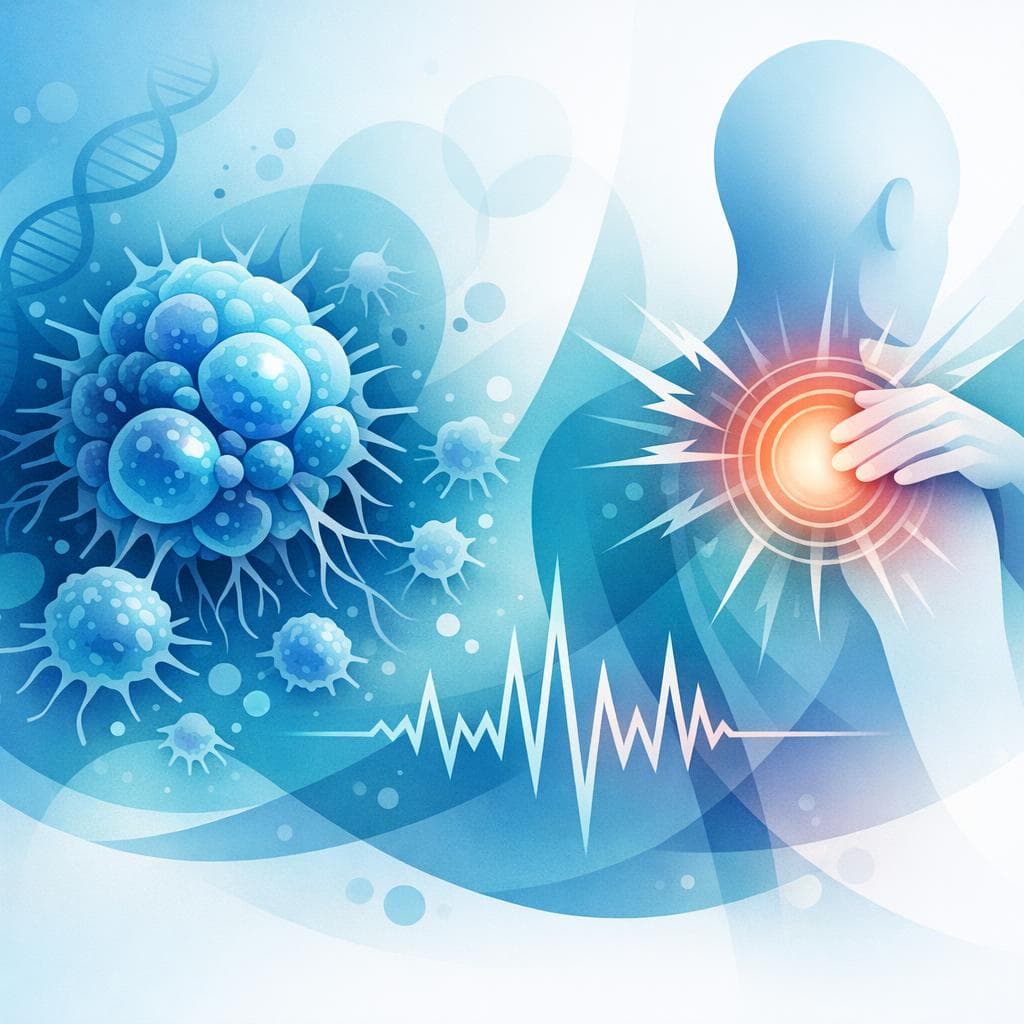
Cancer pain does not affect everyone, and many people feel no pain at diagnosis; however, pain becomes more likely as cancer advances, with a large proportion of those with advanced disease experiencing some degree of pain. [1] Not everyone with cancer has pain, but the chance is higher if the cancer has spread or recurred. [2]
How Common Is Cancer Pain?
Many newly diagnosed individuals do not have pain from the cancer itself, though pain is a common fear; as cancer progresses, about three-quarters of people with advanced cancer report pain of varying intensity. [1] Pain can range from dull and achy to sharp or burning, and it may be constant or intermittent depending on the cancer type, stage, location, and individual pain tolerance. [3] [2]
What Causes Cancer Pain?
- Tumor-related causes: Growing tumors can press on or invade nerves, bones, or organs, destroy nearby tissues, or cause blockages in hollow structures such as the digestive tract or blood vessels. [4] [5] Tumors may also release chemicals that trigger pain signaling. [4]
- Treatment-related causes: Surgery, radiation therapy, chemotherapy, and immunotherapy can lead to pain as a side effect, including post‑surgical pain and therapy-induced nerve injury. [6] [7]
- Deconditioning and muscle pain: Reduced physical activity during or after treatment can contribute to muscle aches. [6]
Types of Cancer Pain
Cancer pain mechanisms are often grouped into nociceptive and neuropathic categories, and accurate identification guides therapy. [8] Nociceptive pain can be:
- Visceral pain, arising from internal organs, often hard to localize and described as throbbing, aching, or sharp. [9] [10]
- Somatic pain, often from bone or soft tissues, frequently pinpointed to a specific area and can be throbbing, aching, or sharp. [10]
Neuropathic pain stems from injury or compression of nerves or parts of the nervous system and typically needs different medications than nociceptive pain. [9] [8]
How Is Cancer Pain Assessed?
Clinicians gather a thorough history, perform a physical exam, and use imaging or other tests to identify causes and mechanisms, which is key to effective individualized treatment. [5] Accurate diagnosis of pain type helps select the most suitable therapies because different mechanisms respond differently to medications. [8]
Management: Multimodal and Stepwise
Most cancer pain is manageable, and treating the underlying cancer often reduces pain; comprehensive pain control is an essential part of care. [3] [4]
Core Principles and Guidelines
A stepwise approach to cancer pain often described in longstanding clinical guidance combines non‑opioids, opioids, and adjuvant therapies, alongside procedures and supportive care when needed. [11] Management recommendations specific to cancer and survivorship are available from leading oncology guideline bodies and are considered when tailoring therapy to individual needs. [12] [13]
Medications
- Non‑opioid analgesics (such as NSAIDs and acetaminophen) are commonly used for mild to moderate pain and may be continued alongside stronger options when appropriate. [11]
- Opioids are generally first‑line for moderate to severe cancer pain and are titrated to effect and tolerability. [11] Pain severity and mechanism guide selection and dosing, and many patients achieve meaningful relief with carefully monitored opioid therapy. [3]
- Adjuvant analgesics, including certain antidepressants and anticonvulsants, are often added for neuropathic components of cancer pain to improve control, recognizing that benefits vary and side effects may increase. [14]
Interventional and Procedural Options
For difficult‑to‑control pain, interventional strategies (such as nerve blocks or other procedures) can be considered by specialized teams to improve the balance between relief and side effects. [15]
Non‑Pharmacologic Support
Complementary approaches like acupuncture or massage are recommended by some clinical programs as adjuncts to help reduce pain and improve quality of life, though individual responses vary. [16] Music therapy has been explored as a low‑risk adjunct to conventional care to modulate pain in cancer settings. [17]
Putting It Together: Tailored Care
Effective cancer pain management relies on identifying the cause, classifying the pain mechanism, and combining therapies thoughtfully to match the person’s situation. [5] [8] Treatment often involves addressing the tumor when possible, optimizing medications, considering procedures for selected cases, and layering supportive non‑drug approaches to enhance comfort and function. [4] [11]
Key Takeaways
- Many people have no pain at diagnosis, but pain is common in advanced cancer and can take many forms. [1] [2]
- Pain can be caused by the tumor itself or by cancer treatments, and it may be nociceptive (visceral or somatic) or neuropathic. [4] [9] [10]
- With careful assessment and a multimodal plan, most cancer pain can be controlled using medicines, procedures, and supportive therapies tailored to individual needs. [3] [11] [14]
Related Questions
Related Articles
Sources
- 1.^abcOverview of Cancer Pain(mskcc.org)
- 2.^abcCancer pain: Relief is possible(mayoclinic.org)
- 3.^abcdCancer pain: Relief is possible(mayoclinic.org)
- 4.^abcdeCancer pain: Relief is possible(mayoclinic.org)
- 5.^abcCauses of Cancer Pain(mskcc.org)
- 6.^abCauses of Cancer Pain(mskcc.org)
- 7.^↑Cancer pain: Relief is possible(mayoclinic.org)
- 8.^abcdCauses of Cancer Pain(mskcc.org)
- 9.^abcCauses of Cancer Pain(mskcc.org)
- 10.^abcCauses of Cancer Pain(mskcc.org)
- 11.^abcdePain Management(mskcc.org)
- 12.^↑CDC Clinical Practice Guideline for Prescribing Opioids for Pain — United States, 2022(cdc.gov)
- 13.^↑CDC Clinical Practice Guideline for Prescribing Opioids for Pain — United States, 2022(cdc.gov)
- 14.^abEffectiveness of antiepileptic or antidepressant drugs when added to opioids for cancer pain: systematic review.(pubmed.ncbi.nlm.nih.gov)
- 15.^↑Cancer Pain Treatment Strategies in Patients with Cancer.(pubmed.ncbi.nlm.nih.gov)
- 16.^↑Acupuncture versus massage for pain in patients living with advanced cancer: a protocol for the IMPACT randomised clinical trial.(pubmed.ncbi.nlm.nih.gov)
- 17.^↑Music Therapy as a Form of Nonpharmacologic Pain Modulation in Patients with Cancer: A Systematic Review of the Current Literature.(pubmed.ncbi.nlm.nih.gov)
Important Notice: This information is provided for educational purposes only and is not intended to replace professional medical advice, diagnosis, or treatment. Always consult with a qualified healthcare provider before making any medical decisions.