
 Persly Medical Team
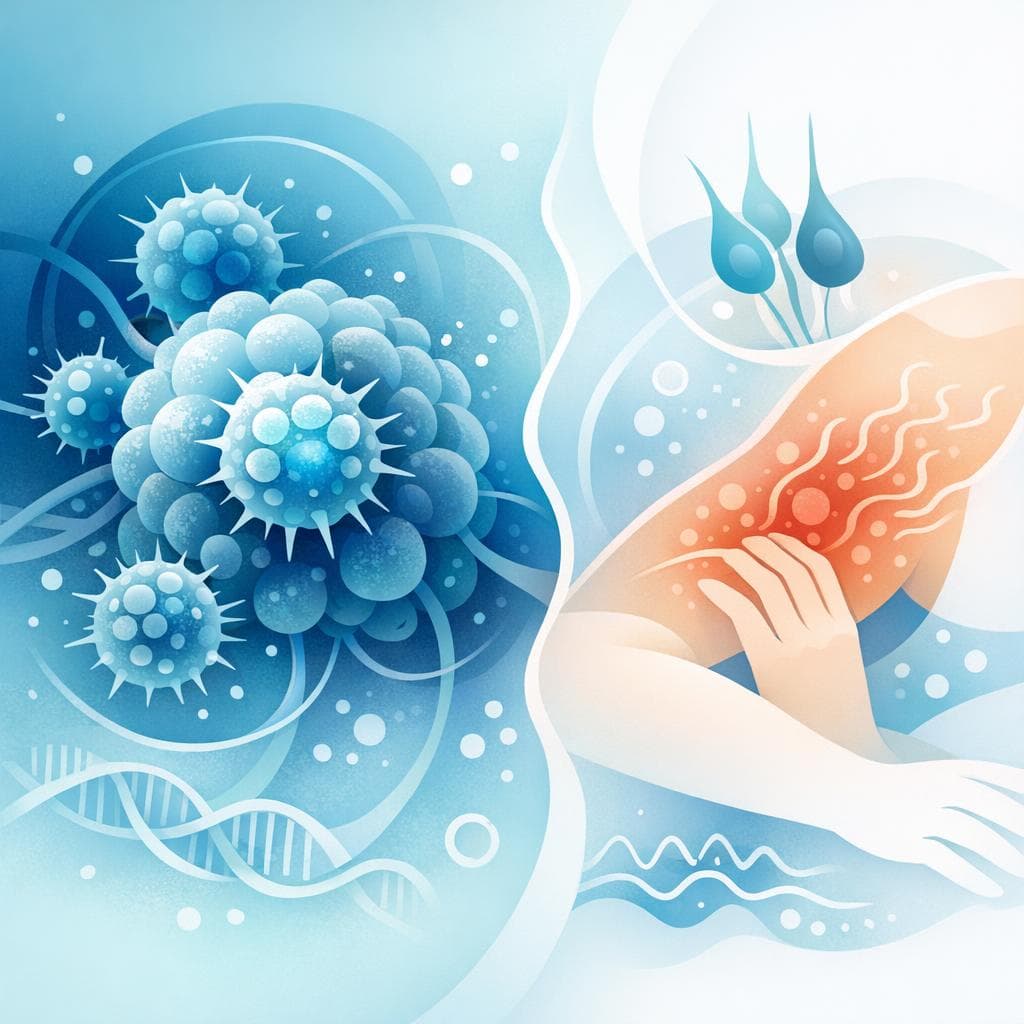
Is Itching a Cancer Symptom? Causes and Care
Is itching a common symptom of cancer?
Itching (pruritus) can happen with certain cancers and cancer treatments, but most itching is caused by non-cancer issues like dry skin or eczema. [1] Itching that involves the whole body can sometimes reflect internal illnesses such as liver or kidney disease, thyroid problems, anemia, diabetes, and some cancers. [2] In people with cancer, itching may come from the cancer itself, blocked bile flow, blood cancers, or as a side effect of therapies; the good news is that it’s often manageable with the right plan. [3]
How cancer can cause itching
- Cancer and its treatments: Some cancers or anti-cancer treatments can trigger local or generalized itching through skin inflammation or immune effects. [1] Internal (systemic) therapies like chemotherapy or immunotherapy can cause body-wide itching, while localized treatments (for example, radiation to a skin area) may cause itching in the treated spot. [4]
- Internal diseases linked to itch: Whole‑body itch can signal liver disease (including bile flow blockage), kidney disease, anemia, thyroid disease, diabetes, or certain cancers such as blood and biliary tract cancers. [5] [6]
- Bile duct or pancreatic obstruction: Cholestasis (reduced bile flow), sometimes from bile duct tumors, can lead to intense itching due to buildup of bile salts and bilirubin in the skin. [7]
- Special situations: Persistent nipple/areolar itching and irritation can, rarely, be related to Paget’s disease of the breast, a form of cancer, and warrants medical review if it lasts. [8]
When to seek medical evaluation
Consider seeing a clinician if any of the following apply:
- Itching lasts more than two weeks and doesn’t improve with gentle self‑care. [9]
- It’s severe, widespread, sudden, or interferes with sleep and daily life. [9] [10]
- It’s accompanied by red flags such as unexplained weight loss, fever, or night sweats. [9] [10]
- Breast skin itch/irritation persists beyond a month or doesn’t respond to treatment. [8]
What a clinician may check
Because generalized itch can come from many causes, a stepwise assessment is common. [11]
- History and exam to look for skin conditions (eczema, psoriasis, hives, scabies), exposures, new products/medications, and systemic symptoms. [6]
- Labs may include liver and kidney function, thyroid tests, blood counts (for anemia or clues to blood disorders), blood sugar, and markers if specific cancers are suspected. [12]
- Imaging or targeted tests if symptoms suggest bile duct, liver, pancreatic, or hematologic disease. [7] [12]
Proven ways to manage itching
Management depends on the cause; addressing the root issue (for example, relieving bile blockage or adjusting a medication) provides the best relief. [12] Still, symptom control measures help many people:
Everyday skin care and lifestyle
- Use gentle, fragrance‑free moisturizers (creams/ointments) multiple times daily; keep skin hydrated and avoid hot showers. [12]
- Wear loose, soft cotton clothing; keep nails short; consider cotton gloves at night to prevent scratching damage. [4]
- Use mild, fragrance‑free soaps; avoid known irritants; maintain a cool, humidified environment. [12]
Over‑the‑counter options
- Moisturizers with ceramides or petrolatum for dry skin itch. [12]
- Short courses of low‑strength topical steroids for inflamed itchy patches, as advised by a clinician. [12]
- Oral non‑sedating antihistamines can help histamine‑mediated itch (for example, hives), though they are less helpful for many systemic itches. [12]
Prescription and targeted therapies
- Topical steroids or calcineurin inhibitors for inflammatory rashes after clinical evaluation. [12]
- For cholestatic itch from bile buildup, medications such as bile acid binders or other agents may be considered under medical supervision. [12]
- In cancer care, clinicians sometimes adjust or pause a causative therapy; with immunotherapy‑related skin itching/rash, moisturizers and topical steroids are first‑line, adding other treatments if needed. [13]
- If a blood or internal cause is found (e.g., kidney, thyroid, or hematologic disease), treating that condition often reduces the itch. [5] [6]
Is itching alone a sign of cancer?
Most itching is not caused by cancer and is due to benign, treatable skin or systemic conditions. [1] It’s the pattern and associated signs widespread itch without a visible rash, systemic symptoms (fever, weight loss, night sweats), or signs of jaundice that raise concern and warrant timely evaluation. [9] [7]
Practical next steps
- Try gentle skin care, frequent moisturizing, cooler showers, and avoiding irritants for one to two weeks. [12]
- Seek care sooner if you notice jaundice, very dark urine, pale stools, or intense generalized itch, as these may indicate bile flow problems. [7]
- Arrange a clinic visit if the itch persists beyond two weeks, is severe or widespread, or comes with systemic symptoms, so that targeted testing can be done. [9] [10]
Related Questions
Related Articles


Sources
- 1.^abcItching(medlineplus.gov)
- 2.^↑Symptoms and causes - Mayo Clinic(mayoclinic.org)
- 3.^↑Symptoms and causes - Mayo Clinic(mayoclinic.org)
- 4.^ab국가암정보센터(cancer.go.kr)
- 5.^abItchy skin (pruritus) - Symptoms and causes(mayoclinic.org)
- 6.^abcSymptoms and causes - Mayo Clinic(mayoclinic.org)
- 7.^abcdBile Duct Cancer (Cholangiocarcinoma) Signs & Symptoms(mskcc.org)
- 8.^abPaget's disease of the breast: Rare breast cancer type-Paget's disease of the breast - Symptoms & causes - Mayo Clinic(mayoclinic.org)
- 9.^abcdeItchy skin (pruritus) - Symptoms and causes(mayoclinic.org)
- 10.^abcSymptoms and causes - Mayo Clinic(mayoclinic.org)
- 11.^↑Itchy skin (pruritus) - Symptoms and causes(mayoclinic.org)
- 12.^abcdefghijkItchy skin (pruritus) - Diagnosis and treatment(mayoclinic.org)
- 13.^↑Managing Your Immunotherapy Side Effects(mskcc.org)
Important Notice: This information is provided for educational purposes only and is not intended to replace professional medical advice, diagnosis, or treatment. Always consult with a qualified healthcare provider before making any medical decisions.