
 Persly Medical Team
Cancer-Related Fatigue: Causes and Management
Cancer-Related Fatigue: What It Is, Why It Happens, and How to Manage It
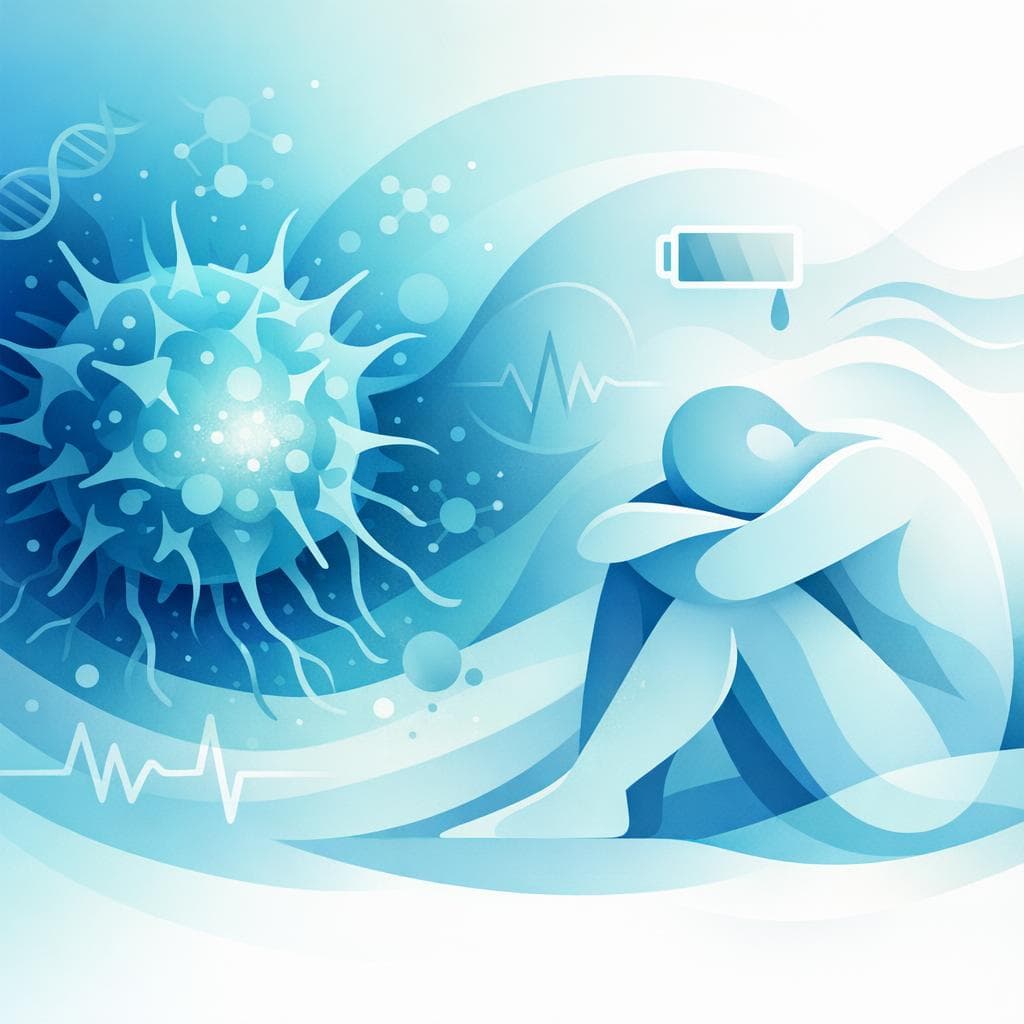
Fatigue is one of the most common and disruptive symptoms experienced during cancer and its treatment, and it can feel like an overwhelming lack of energy that isn’t relieved by sleep or rest. [1] It may begin before diagnosis in some people, appear during treatment, or persist for months to years after treatment ends. [2] [3] This fatigue can be physical (weakness, heavy limbs), emotional (low motivation, irritability), or cognitive (poor focus), and often interferes with daily activities. [1] [3]
How Cancer-Related Fatigue Feels
- People often describe feeling tired, weak, or “slowed down,” with heavy arms and legs and trouble concentrating. Rest usually doesn’t restore energy the way it normally would. [3]
- The intensity can range from mild to severe, and it may start suddenly or build gradually over time. [3]
- For some, fatigue lasts long after treatment is finished and can affect work, social life, and routine tasks. This persistence is a hallmark of cancer-related fatigue. [3] [2]
Why Fatigue Happens in Cancer
Cancer-related fatigue has multiple contributing factors, and the exact mix differs from person to person. [4]
- The cancer itself and its impact on the body’s metabolism and immune system. [5]
- Treatments such as chemotherapy, radiation therapy, surgery, and biologic therapies can directly cause fatigue. Different treatments and schedules affect fatigue levels differently. [1] [6]
- Chronic pain, infections, fever, and sleep problems can drain energy and worsen fatigue. [5] [6]
- Emotional stress, anxiety, and depression are common contributors. Addressing mood and stress can significantly help. [5]
- Nutritional challenges: loss of appetite or difficulty getting enough calories and nutrients. [5] [6]
- Medicines and side effects (for example, anti-nausea and pain medications). [5] [6]
- Build-up of cellular byproducts after cancer cells are killed and injury to normal cells. [6]
First Steps: Assess and Treat Underlying Causes
The best management starts with finding and addressing specific drivers of your fatigue. [7]
- If a clear cause is identified (for example, anemia, thyroid problems, pain, insomnia, depression, or medication effects), your care team can treat that cause directly. Targeted treatment can reduce fatigue meaningfully. [7]
- Even when no single cause is found, structured self-care and supportive therapies often improve energy and function. [7]
Proven Non-Drug Strategies
Non-pharmacologic approaches are core treatments for cancer-related fatigue and are recommended across survivorship guidelines. [8] [9]
Gentle, Regular Physical Activity
- Light exercise (like walking or stationary cycling) can increase energy, strength, and ability to do daily tasks; it also improves sleep and reduces pain and nausea. Starting slowly and building up is key. [10]
- If your clinician says it’s safe, consider adding light strength training to maintain muscle mass. [11]
Sleep and Daily Routine
- Keep a consistent sleep schedule, limit daytime naps, and create a calm bedtime routine to improve sleep quality, which can reduce fatigue. Better sleep hygiene often yields noticeable benefits. [1]
Nutrition and Hydration
- Aim for small, frequent meals rich in protein and calories, and drink fluids regularly. Treating appetite problems or nausea helps energy recovery. [6]
Stress, Mood, and Coping Skills
- Cognitive behavioral therapy, mindfulness, yoga, tai chi, and qigong can reduce the perception of fatigue and improve coping. These relaxation-focused practices are low risk and often helpful. [11]
Energy Conservation and Planning
- Prioritize important tasks, pace activities, and schedule breaks. Use assistive devices or support from others to reduce energy drain on high-fatigue days. [1]
When to Consider Medications
Medication for fatigue is not always needed, but may be considered in selected situations after addressing underlying causes. [7]
- Short-term use of certain agents (for example, stimulants or steroids) may be tried in specific contexts, weighing potential benefits against side effects. This is individualized and guided by your clinician. [7]
- Because responses vary, drug therapy is generally reserved for cases where non-drug strategies and cause-targeted treatments are insufficient. [7]
Practical, Step-by-Step Plan
- Tell your care team exactly how fatigue affects your day (body tiredness, mood, focus, sleep) so they can screen, assess, and identify treatable contributors. [7]
- Start a gentle activity routine most days of the week: 10–20 minutes of easy walking, stretching, or cycling; increase gradually as tolerated. [10]
- Improve sleep habits: regular bed/wake times, limit caffeine late in the day, and create a restful environment. [1]
- Optimize nutrition: small, protein-rich meals and adequate fluids; address nausea, taste changes, or mouth sores promptly. [6]
- Add mind-body practices like CBT, yoga, tai chi, or mindfulness to manage stress and boost resilience. [11]
- Pace and plan your day with scheduled breaks and energy-conservation strategies. [1]
- Reassess regularly; if fatigue remains severe, discuss targeted medical therapies and referrals (rehabilitation, psycho-oncology, nutrition). [7]
Key Takeaways
- Fatigue is very common in cancer, can persist after treatment, and is different from normal tiredness because it often doesn’t improve with rest. [3] [2]
- Causes are multifactorial, including the cancer, treatments, pain, sleep problems, mood, medications, and nutrition. [5] [6]
- Non-drug strategies especially gentle exercise, sleep optimization, nutrition, and stress management are foundational and typically helpful. [10] [11]
- Work with your care team to identify and treat specific contributors, and consider medications only when appropriate. [7]
Related Questions
Related Articles

Sources
- 1.^abcdefgManaging Cancer-Related Fatigue(mskcc.org)
- 2.^abcCancer fatigue: Why it occurs and how to cope(mayoclinic.org)
- 3.^abcdefManaging Cancer-Related Fatigue(mskcc.org)
- 4.^↑Cancer fatigue: Why it occurs and how to cope(mayoclinic.org)
- 5.^abcdefCancer fatigue: Why it occurs and how to cope(mayoclinic.org)
- 6.^abcdefghManaging Cancer-Related Fatigue for Survivors(mskcc.org)
- 7.^abcdefghiCancer fatigue: Why it occurs and how to cope(mayoclinic.org)
- 8.^↑Cancer fatigue: Why it occurs and how to cope(mayoclinic.org)
- 9.^↑Overcoming Barriers to Maintaining Physical Activity during Cancer Care(mskcc.org)
- 10.^abcManaging Cancer-Related Fatigue with Exercise(mskcc.org)
- 11.^abcdCancer fatigue: Why it occurs and how to cope(mayoclinic.org)
Important Notice: This information is provided for educational purposes only and is not intended to replace professional medical advice, diagnosis, or treatment. Always consult with a qualified healthcare provider before making any medical decisions.