
 Persly Medical Team
Erectile dysfunction with cancer: prevalence, causes, care
Erectile Dysfunction and Cancer: How Common, Why It Happens, and What Helps
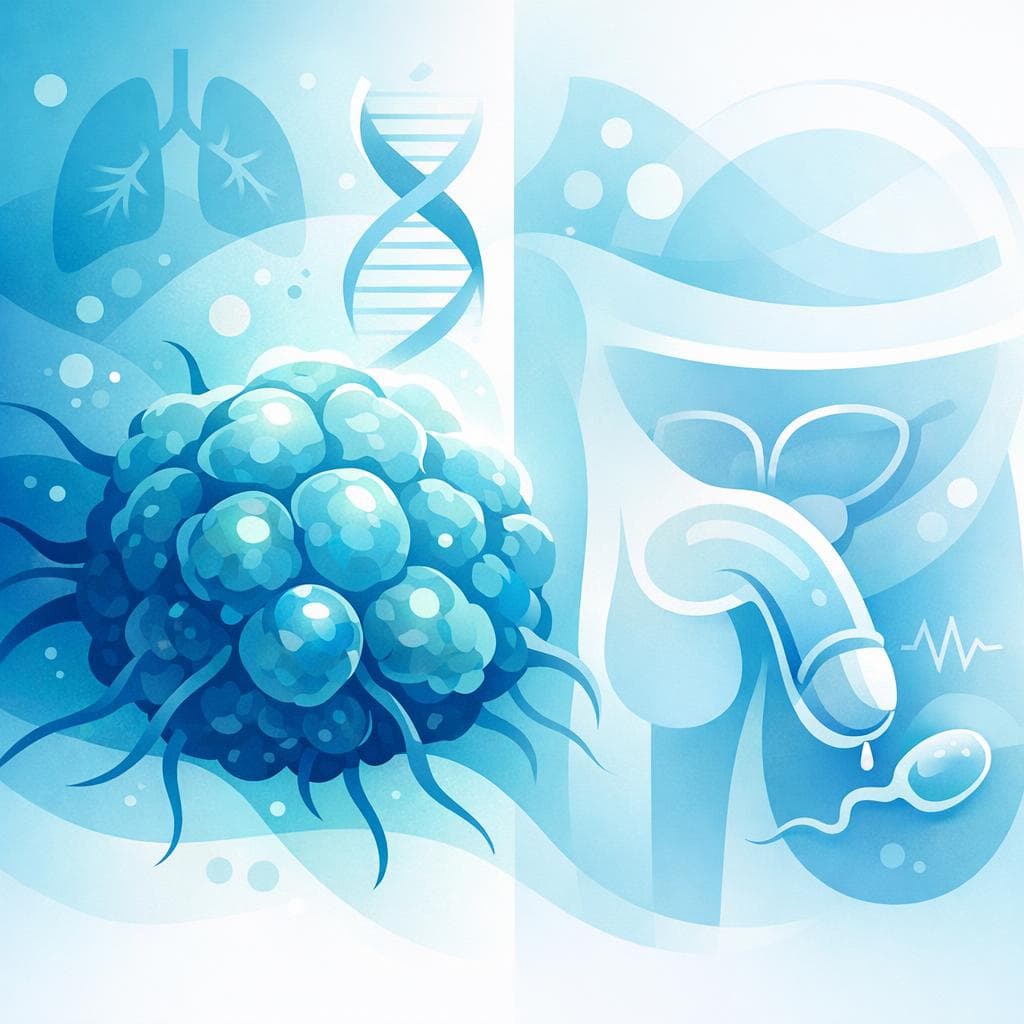
Erectile dysfunction (ED) is a common issue among men during or after cancer treatment, and it can affect quality of life. [1] Many male survivors report trouble getting or keeping an erection, with risk especially higher after prostate treatments and certain other therapies. [2] [3]
How Common Is ED with Cancer?
- ED is the most frequent sexual problem reported by male cancer survivors. [1]
- Men treated for prostate cancer (surgery, radiation, hormone therapy) often experience ED, sometimes immediately after surgery or gradually after radiation. [4] [5]
- Across oncology settings, sexual function changes are widespread: estimates suggest 40–85% of male survivors may experience sexual dysfunction, including ED. [6]
These figures can vary by age, baseline health, cancer type, and exact treatment received. It’s helpful to view ED as a multifactorial, often treatable consequence of cancer and its care. [3] [6]
Why Does ED Happen? Key Causes
Multiple pathways can lead to ED in cancer settings, and more than one may apply at the same time. [3]
- Treatment-related nerve and vessel injury: Prostate surgery can affect the nerves and blood supply critical for erections; radiation may cause later-onset changes leading to ED. [5] [7]
- Hormonal changes: Androgen-deprivation therapy and post–stem cell/bone marrow transplant hypogonadism (low testosterone) can reduce libido and erections. [8] [9]
- Pelvic surgeries or radiation for bladder, rectal, or other pelvic cancers can disrupt erectile pathways. [3] [7]
- Smoking-related vascular damage: Head and neck or lung cancers often share smoking exposure, which itself is linked to ED. [4] [10]
- Psychological stress and relationship factors: Anxiety, depression, body-image changes, and communication challenges can worsen or sustain ED. [3] [11]
- General health contributors: High blood pressure, high cholesterol, and diabetes can compound ED risk, and should be optimized. [12] [13]
Management: What Actually Helps
Effective care starts with a full assessment and then a stepwise plan tailored to medical and psychosocial needs. [14] [12]
1) Optimize Modifiable Risks
- Manage blood pressure, lipids, and blood sugar where applicable; stop smoking and limit alcohol. [12] [13]
- Evaluate and treat low testosterone (hypogonadism) when appropriate and not contraindicated. [6]
2) Address Psychosocial Factors
- Counseling or sex therapy can ease anxiety, improve communication, and rebuild intimacy. [6] [11]
- Involving partners and normalizing conversations about sex can improve outcomes. [15] [16]
3) First‑Line Medical Treatments
- Oral PDE5 inhibitors (sildenafil, tadalafil, vardenafil) are standard first-line for ED and have strong evidence. [12] [13]
- These medicines may be used as part of early “penile rehabilitation” after prostate treatment to support recovery. [5]
4) Second‑Line and Device Options
- Vacuum erection devices can help draw blood into the penis and are commonly used, including during rehabilitation. [5] [17]
- Urethral suppositories (alprostadil) or intracavernosal injections can produce reliable erections when pills are insufficient. [6]
- Penile implants (prostheses) are a durable surgical option when other therapies do not work. [5]
5) Specialist Programs
- Dedicated male sexual medicine services provide integrated medical, device-based, and psychosocial care for cancer survivors. [2] [18]
Quick Comparison of Common ED Options
| Option | How it works | When used | Notes |
|---|---|---|---|
| PDE5 inhibitors (e.g., sildenafil, tadalafil) | Enhance penile blood flow | First-line | Check heart meds and contraindications; part of rehab after prostate care. [12] [5] |
| Vacuum erection device | Mechanical negative pressure draws blood | First/second-line or adjunct | Useful during recovery; noninvasive. [5] |
| Urethral suppository (alprostadil) | Local vasodilator | Second-line | For those who don’t respond to pills. [6] |
| Intracavernosal injections | Direct vasodilator into corpora | Second-line | High efficacy; training needed. [6] |
| Testosterone therapy | Restores low levels | Selected men with hypogonadism | Avoid if contraindicated (e.g., active certain cancers); specialist guidance. [6] |
| Penile implant | Surgical device | Refractory cases | High satisfaction when other treatments fail. [5] |
What to Expect Over Time
- After prostatectomy, ED may appear immediately, with gradual recovery depending on nerve-sparing and rehabilitation; after radiation, ED may develop later. [5] [7]
- Early, structured rehabilitation can help preserve tissue health and speed functional recovery. [5]
- Psychological support throughout survivorship improves adherence and sexual well-being. [11] [6]
Practical Steps You Can Take
- Talk to your oncology or urology team early about sexual side effects and goals; early planning matters. [19]
- Ask for referral to a male sexual medicine program for coordinated care, including medication, devices, and counseling. [18] [2]
- Work on heart and metabolic health and consider smoking cessation, as vascular health is central to erections. [12] [13]
- Include your partner when comfortable; open communication improves success. [15]
Key Takeaway
ED is common during and after cancer treatment, with causes ranging from nerve and vascular changes to hormones and psychological factors, and there are well-established treatments and rehabilitation strategies that can help most men. [1] [5] Early conversation and a personalized plan significantly improve outcomes. [19] [6]
Related Questions
Related Articles
Sources
- 1.^abcCancer, and Sexual Health FAQs(mskcc.org)
- 2.^abcMale Sexual & Reproductive Medicine Program(mskcc.org)
- 3.^abcdeTalking about sex: erectile dysfunction in the oncology patient.(pubmed.ncbi.nlm.nih.gov)
- 4.^abCancer, and Sexual Health FAQs(mskcc.org)
- 5.^abcdefghijkProstate cancer survivorship: a review of erectile dysfunction and penile rehabilitation after prostate cancer therapy.(pubmed.ncbi.nlm.nih.gov)
- 6.^abcdefghijEnhancing Sexual Health for Cancer Survivors.(pubmed.ncbi.nlm.nih.gov)
- 7.^abcSexual function and rehabilitation after radiation therapy for prostate cancer: a review.(pubmed.ncbi.nlm.nih.gov)
- 8.^↑Cancer, and Sexual Health FAQs(mskcc.org)
- 9.^↑Living Beyond Cancer: Sexual Health FAQs(mskcc.org)
- 10.^↑Living Beyond Cancer: Sexual Health FAQs(mskcc.org)
- 11.^abcSexual health after cancer treatment(mayoclinic.org)
- 12.^abcdefCancer, and Sexual Health FAQs(mskcc.org)
- 13.^abcdLiving Beyond Cancer: Sexual Health FAQs(mskcc.org)
- 14.^↑Cancer, and Sexual Health FAQs(mskcc.org)
- 15.^abSexual health after cancer treatment(mayoclinic.org)
- 16.^↑Sexual health after cancer treatment(mayoclinic.org)
- 17.^↑Care of Cancer Survivors: Special Issues for Prostate Cancer Survivors.(pubmed.ncbi.nlm.nih.gov)
- 18.^abSexual Health Programs for Cancer Patients & Survivors(mskcc.org)
- 19.^abSexual health after cancer treatment(mayoclinic.org)
Important Notice: This information is provided for educational purposes only and is not intended to replace professional medical advice, diagnosis, or treatment. Always consult with a qualified healthcare provider before making any medical decisions.