
 Persly Medical Team
Dysphagia and Cancer: Symptoms, Causes, Care
Is difficulty swallowing a common symptom of cancer? Causes and management
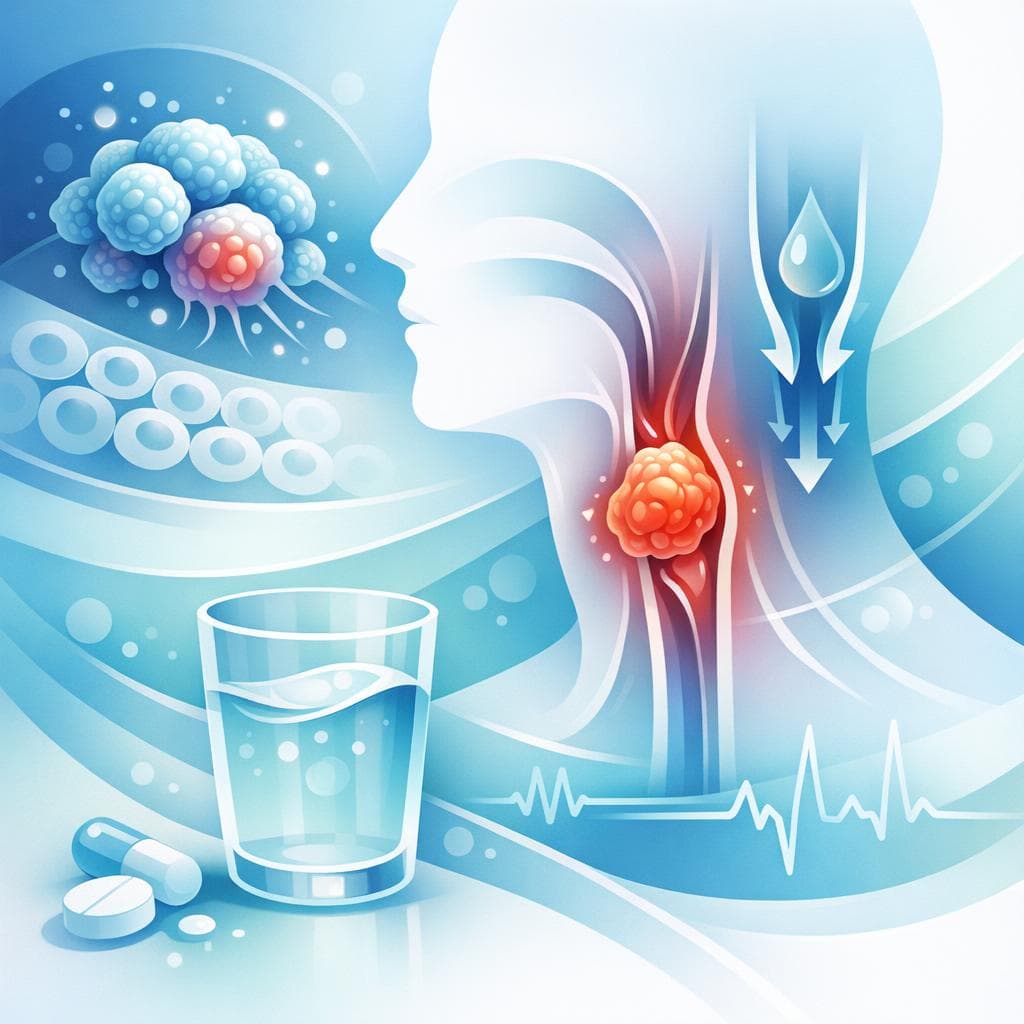
Difficulty swallowing (dysphagia) can be a symptom of several cancers most notably cancers of the esophagus and head and neck and it can also result from cancer treatments like radiation or surgery. Esophageal cancer often presents with progressive trouble swallowing, especially as tumors narrow the esophagus, and may be accompanied by weight loss or persistent cough/hoarseness. [1] Early esophageal cancer may have few or no signs at first, but dysphagia becomes more noticeable as disease advances. [2] Head and neck cancers, including salivary gland tumors, can cause pain or a sticking sensation when chewing and swallowing, and some people feel food or liquid going the wrong way into the airway. [3] [4]
What dysphagia feels like
- Esophageal dysphagia: Food feels stuck after you swallow, typically with solids first and then liquids as narrowing worsens. Unintentional weight loss and persistent reflux or heartburn can co‑occur. [1]
- Oropharyngeal dysphagia: Trouble initiating a swallow, coughing or choking during eating, or aspiration (food/liquid entering the airway). Head and neck tumors or post‑radiation changes can trigger these symptoms. [4] [3]
Why cancer causes difficulty swallowing
Structural narrowing or obstruction
- Growing tumors in the esophagus progressively narrow the passage, making swallowing painful or difficult. [5] [1]
- Head and neck or salivary gland cancers can interfere with jaw movement, throat coordination, or cause local pain that impairs swallowing. [3] [4]
Treatment-related effects
- Radiation therapy can inflame and scar the esophagus or upper throat, leading to strictures (tight narrowings) and long‑term dysphagia. [6] [7]
- Post‑surgical changes after esophageal or head/neck cancer operations can contribute to chronic oropharyngeal dysphagia and aspiration risk in some survivors. [8] [9]
Coexisting conditions
- Chronic acid reflux (GERD) and esophageal rings/strictures can cause dysphagia and also raise esophageal cancer risk over time. [2] [5]
Red flags that deserve prompt medical evaluation
- Progressive difficulty swallowing, especially starting with solids and moving to liquids. [1]
- Unintentional weight loss, regurgitation, vomiting, or food sticking repeatedly. [10]
- Persistent hoarseness, chronic cough, or chest discomfort with swallowing. [1]
- Any episode where a blockage impairs breathing is an emergency; call for help immediately. [10]
How doctors evaluate dysphagia
- Detailed symptom review: Clarifies whether the issue is initiating a swallow (oropharyngeal) or food getting stuck after swallowing (esophageal), and whether solids, liquids, or both are affected. [11]
- Endoscopy (upper scope): First-line test for suspected esophageal dysphagia to look for tumors, rings, strictures, inflammation; allows biopsies to confirm diagnosis. [12]
- Barium swallow X‑ray: Complements endoscopy by outlining strictures or motility issues. [12]
- Videofluoroscopic swallow study: Assesses oropharyngeal phase, aspiration, and helps tailor therapy. This is especially useful after head/neck or esophageal cancer treatments. [8] [9]
- CT scans or laryngoscopy: When head and neck masses or structural problems are suspected. [13]
Management options
Management depends on the cause, severity, and overall treatment goals (curative vs palliative). Care plans are often multidisciplinary, involving oncology, gastroenterology, ENT, and speech‑language pathology. [12]
For esophageal obstruction or strictures
- Endoscopic dilation or stenting: Opens narrowed areas to restore swallowing; self‑expandable metallic stents are a common palliative option for malignant obstruction. [14]
- Tumor‑directed therapy: Surgery, radiotherapy, or systemic therapy (chemotherapy/immunotherapy) to reduce or remove tumor burden when appropriate. [15]
- Combined antegrade‑retrograde dilation (CARD): A specialized approach for severe post‑radiation strictures in select head/neck cancer patients. [7]
For treatment-related oropharyngeal dysphagia
- Swallowing therapy: Targeted exercises and compensatory techniques to improve muscle coordination and safety of swallowing; may include posture adjustments and specific strategies for food placement. [16] [17]
- Diet modifications: Texture‑adapted diets (e.g., softer solids, thickened liquids) to reduce choking and aspiration risk. [12]
- Feeding support: Temporary or long‑term feeding tubes may be used if oral intake is unsafe or insufficient. [18]
- Emerging rehabilitation approaches: Programs combining feeding management with structured swallowing training show potential to improve function and quality of life after head/neck particle therapy. [19]
Symptom relief and supportive care
- Acid suppression for reflux‑related symptoms: Short trial in low‑risk cases, while monitoring for red flags that warrant earlier testing. [12]
- Pain control and inflammation management: Helps maintain oral intake and therapy participation. [20]
- Nutritional support: Early involvement of dietitians to prevent weight loss and malnutrition. [20]
Practical tips at home (while awaiting care)
- Eat slowly and take small bites; chew thoroughly; sip liquids between bites. [11]
- Try softer textures and avoid dry, crumbly foods if they trigger sticking or coughing. [11]
- Use upright posture during meals and remain upright for 30 minutes after eating to reduce reflux and aspiration risk. [11]
- Track symptoms: Note which foods are harder, whether solids or liquids are involved, and any coughing or weight changes, to share with your clinician. [11]
Outlook and when to seek care
Dysphagia can be managed, and many people improve with targeted therapy and treatment of the underlying cause. [16] Because esophageal cancer and other serious conditions often present late, progressive swallowing difficulty especially with weight loss should be evaluated promptly. [1] [10] If you are undergoing or completed head/neck cancer treatment, proactive swallow evaluations help detect and address persistent issues that can affect safety and quality of life. [8] [9]
Key takeaways
- Yes difficulty swallowing is a recognized symptom of esophageal and head/neck cancers, and it can also arise from radiation or surgery. [1] [3]
- Red flags include progressive dysphagia, weight loss, regurgitation, or persistent cough/hoarseness. [1] [10]
- Evaluation typically involves endoscopy, swallow studies, and imaging; treatment ranges from dilation/stenting to structured swallowing therapy and nutritional support. [12] [14] [16] [18]
궁금한 점 있으면 언제든 퍼슬리에 물어보세요.
Related Questions
Related Articles


Sources
- 1.^abcdefghEsophageal cancer - Symptoms and causes(mayoclinic.org)
- 2.^abEsophageal Cancer(medlineplus.gov)
- 3.^abcdSalivary Gland Cancer Symptoms(mskcc.org)
- 4.^abcSalivary Gland Cancer Symptoms(mskcc.org)
- 5.^abDysphagia - Symptoms and causes(mayoclinic.org)
- 6.^↑Dysphagia - Symptoms and causes(mayoclinic.org)
- 7.^abSevere Refractory Post-Radiation Strictures: Lessons Learned from Long-term Follow-up after Combined Antegrade Retrograde Dilation.(pubmed.ncbi.nlm.nih.gov)
- 8.^abcNature, severity, and impact of chronic oropharyngeal dysphagia following curative resection for esophageal cancer: a cross-sectional study.(pubmed.ncbi.nlm.nih.gov)
- 9.^abcThe prevalence, nature and severity of oropharyngeal dysphagia in the acute post-operative phase following curative resection for esophageal cancer.(pubmed.ncbi.nlm.nih.gov)
- 10.^abcdDysphagia - Symptoms and causes(mayoclinic.org)
- 11.^abcdeDysphagia - Diagnosis and treatment(mayoclinic.org)
- 12.^abcdefDysphagia: Evaluation and Collaborative Management.(pubmed.ncbi.nlm.nih.gov)
- 13.^↑국가암정보센터(cancer.go.kr)
- 14.^ab[Palliative Surgical Approaches for Malignant Upper Gastrointestinal Obstruction].(pubmed.ncbi.nlm.nih.gov)
- 15.^↑Esophageal Cancer(stanfordhealthcare.org)
- 16.^abcDysphagia - Diagnosis and treatment(mayoclinic.org)
- 17.^↑Dysphagia - Diagnosis and treatment(mayoclinic.org)
- 18.^abSwallowing Disorders(medlineplus.gov)
- 19.^↑Normalcy of Swallowing in Head and Neck Cancer Patients Undergoing Particle Therapy Supported by Combined Swallowing Training and Feeding Management: A Randomised Controlled Trial.(pubmed.ncbi.nlm.nih.gov)
- 20.^abNew trends in supportive care of head and neck cancers.(pubmed.ncbi.nlm.nih.gov)
Important Notice: This information is provided for educational purposes only and is not intended to replace professional medical advice, diagnosis, or treatment. Always consult with a qualified healthcare provider before making any medical decisions.