
 Persly Medical Team
Is Bruising a Symptom of Cancer? Causes & Care
Is Bruising a Symptom of Cancer? Causes, Warning Signs, and Management
Bruising is not among the most common early symptoms of cancer, but it can happen when cancer or its treatments affect the blood’s ability to clot, especially by lowering platelets (thrombocytopenia) or reducing clotting proteins. Unexplained or frequent bruising should be medically evaluated, particularly if it is new, severe, or accompanied by other bleeding signs. [1] [2]
How Cancer Leads to Bruising
-
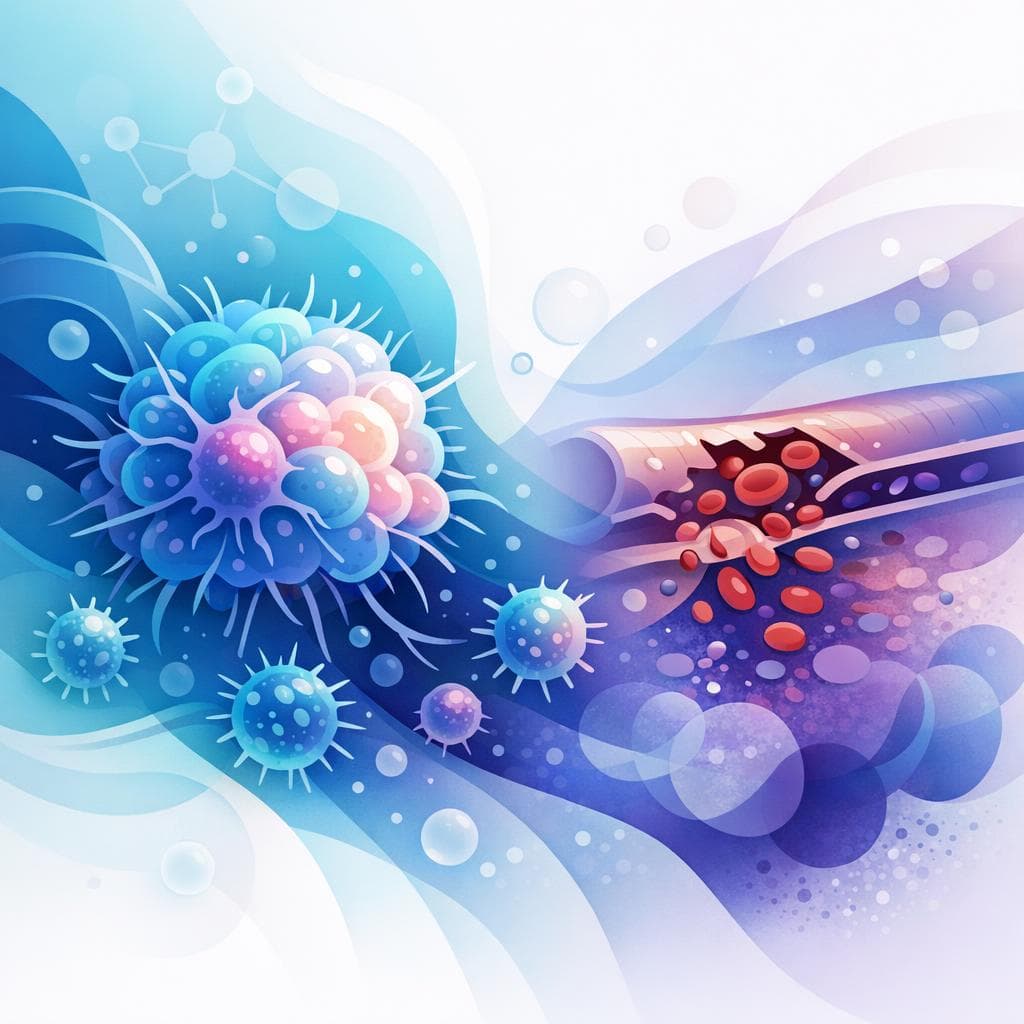
Low platelets (thrombocytopenia): Platelets help stop bleeding; when they are low, people may notice easy or unusual bruising, tiny red-purple dots (petechiae), gum bleeding, or heavier periods. Cancer and cancer treatments can lower platelet counts, increasing bleeding risk. [3] [4]
-
Coagulation factor problems from liver involvement: The liver makes clotting proteins. Liver cancer or significant liver dysfunction can reduce clotting factor production, raising the risk of bruising and bleeding. [5] [6]
-
Cancer therapies that increase bleeding risk: Some targeted drugs (such as anti‑angiogenesis agents) can increase bleeding tendency. These therapies may contribute to bruising and bleeding even without trauma. [6]
-
Bleeding disorders linked to cancer or its treatment: People with bleeding disorders may notice increased bruising or blood in vomit or stool, sometimes detected only after injury or procedures. [7]
When Bruising Needs Urgent Attention
-
Unexplained, large, or frequent bruises (especially on the chest, abdomen, back, or face). Sudden onset after starting a new medicine also warrants review. [2] [8]
-
Bruising with other bleeding signs: Nosebleeds that won’t stop, gum bleeding, petechiae, blood in urine/stool, or vomiting blood. These are red flags during cancer treatment. [4]
-
New or worsening easy bruising with symptoms of liver problems (yellowing of skin/eyes, severe bleeding from small cuts). This may point to liver involvement. [5]
Common Causes of Bruising in a Cancer Context
-
Thrombocytopenia from chemotherapy or radiation. Low platelets raise bruising risk and may show as petechiae or mucosal bleeding. [3] [4]
-
Liver cancer or metastases affecting clotting factor synthesis. Frequent bruising and severe bleeding can occur with hepatic dysfunction. [5]
-
Targeted/anti‑angiogenic therapies. These can heighten bleeding risk by affecting blood vessel formation and integrity. [6]
-
Underlying bleeding disorders or platelet function defects. These may be unmasked or worsened during cancer care. [9] [7]
Practical Management: What You Can Do
Immediate Safety Steps
- Reduce bleeding risk: Use a soft toothbrush, avoid dental floss if platelets are low, shave with an electric razor, and be gentle with the skin. Avoid vigorous rubbing and harsh towels. [3] [10]
- Prevent trauma: Minimize high‑impact activities, wear protective gear, and keep home clutter‑free to avoid falls. Small measures lower bruise risk. [11]
Medical Evaluation
- Blood tests: Platelet count, coagulation studies, and sometimes liver function tests help pinpoint the cause. Clinicians often check platelets and clotting times during assessment of easy bruising. [12] [13]
- Medication review: Some cancer drugs and blood‑thinners increase bleeding risk; supplements can also affect clotting. Discuss all medicines and over‑the‑counter products with your care team. [14] [4]
Clinical Treatments
- Address low platelets: Depending on severity and symptoms, clinicians may adjust chemotherapy, delay cycles, prescribe supportive medications, or use platelet transfusions in select cases. Care plans aim to reduce bleeding risk while continuing cancer therapy when possible. [15] [3]
- Manage coagulopathy from liver dysfunction: Treat the underlying liver condition; supportive measures may include correcting clotting factor deficits as indicated. This targets the root cause of bruising. [5]
- Modify bleeding‑risk medications if appropriate: Therapy changes are individualized to balance cancer control with safety. [6]
What’s Normal vs. Concerning Bruising
-
May be expected: Small bruises after minor bumps, especially during periods of low platelets in treatment. Petechiae and mild gum bleeding can appear when platelets are low. [3] [4]
-
Concerning signs: Large, spontaneous bruises; bruises with lumps underneath; nose or gum bleeding that won’t stop; black/tarry stools or red urine; or vomiting blood. Seek care promptly for these symptoms. [4] [2]
Simple Prevention Tips
- Skin care: Moisturize, avoid harsh exfoliation, and protect skin from friction to reduce superficial vessel injury. Gentle routines help when platelets are low. [10]
- Home safety: Good lighting, non‑slip mats, and tidy walkways can reduce falls and bumps. Prevention lowers bruise occurrence. [11]
- Oral care: Soft‑bristled toothbrush and gentle technique minimize gum bleeding. Skip floss if advised during thrombocytopenia. [3] [10]
Key Takeaways
- Bruising isn’t a typical stand‑alone sign of cancer, but it can occur when cancer or its treatments lower platelets or impair clotting. Unexplained or severe bruising should be checked by a clinician. [1] [2]
- Low platelets and liver‑related clotting problems are leading causes in oncology settings. Targeted therapies can also increase bleeding risk. [3] [5] [6]
- Manage by reducing injury risk, reviewing medicines, and addressing blood count or clotting issues, with urgent evaluation for persistent or large bruises and any red‑flag bleeding symptoms. Early attention improves safety during cancer care. [4] [12] [15]
Related Questions
Related Articles
Sources
- 1.^abCancer(medlineplus.gov)
- 2.^abcdEasy bruising: Why does it happen?(mayoclinic.org)
- 3.^abcdefgAbout Your Low Platelet Count(mskcc.org)
- 4.^abcdefgBleeding during cancer treatment: MedlinePlus Medical Encyclopedia(medlineplus.gov)
- 5.^abcdeLiver Cancer(stanfordhealthcare.org)
- 6.^abcdeThrombocytopenia & Other Bleeding Disorders(mskcc.org)
- 7.^abThrombocytopenia & Other Bleeding Disorders(mskcc.org)
- 8.^↑Easy bruising: Why does it happen?(mayoclinic.org)
- 9.^↑Bleeding Disorders(medlineplus.gov)
- 10.^abcChemotherapy · Side Effects of Chemotherapy for Cancer Treatment | Medical Information | Catholic University Catholic Hematology Hospital(hematology.kr)
- 11.^abEasy bruising: Why does it happen?(mayoclinic.org)
- 12.^abEasy bruising: Why does it happen?(mayoclinic.org)
- 13.^↑Easy bruising: Why does it happen?(mayoclinic.org)
- 14.^↑Easy bruising: Why does it happen?(mayoclinic.org)
- 15.^ab1799-Thrombocytopenia | eviQ(eviq.org.au)
Important Notice: This information is provided for educational purposes only and is not intended to replace professional medical advice, diagnosis, or treatment. Always consult with a qualified healthcare provider before making any medical decisions.