
 Persly Medical Team
Is bone pain common in cancer, causes and care
Cancer-Related Bone Pain: How Common, Why It Happens, and What Helps
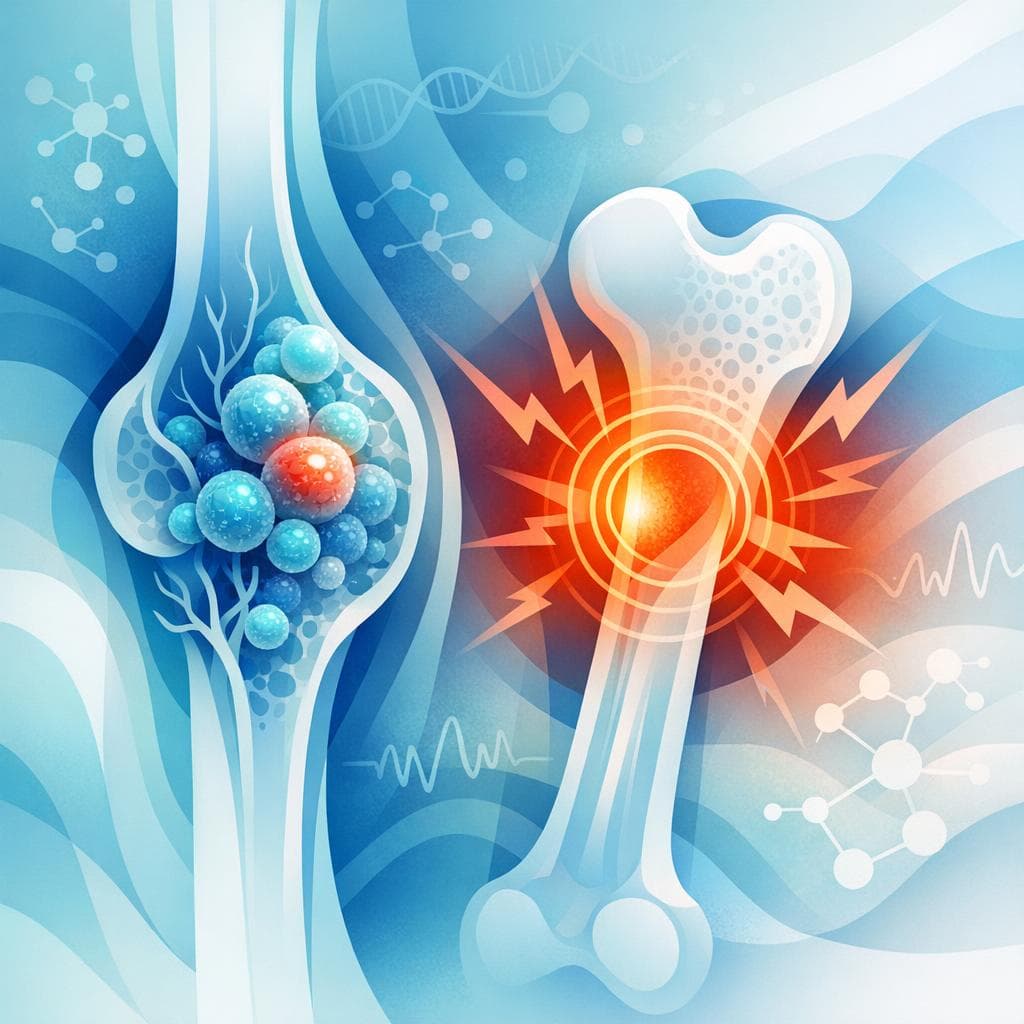
Bone pain can be a symptom of cancer, but its likelihood varies by cancer type and stage. It is especially common when cancer starts in bone or spreads (metastasizes) to bone, and it may feel aching, throbbing, sharp, or worsen at night or with movement. [1] Bone pain is less common than joint or muscle pain overall, but cancer can be one of the causes when pain is persistent or unexplained. [2]
How common is bone pain in cancer?
- Primary bone cancers (like osteosarcoma): Bone pain is a typical early sign and may be accompanied by swelling and tenderness, fatigue, and unintentional weight loss. [1]
- Cancers that spread to bone (metastatic cancer): Breast, prostate, lung, and some digestive organ cancers commonly metastasize to bone; pain and other skeletal-related events (fracture, spinal cord compression, hypercalcemia) are frequent and burdensome. [3]
- Cancer pain types: Somatic pain often involves bone and can usually be pinpointed to a specific area; it may be throbbing, aching, or sharp. Accurate identification of pain type guides the best treatment. [4]
Why cancer causes bone pain
Bone pain in cancer usually comes from one or more mechanisms:
- Tumor growth in bone: Pressure inside bone, microfractures, and stretching of the periosteum (the thin covering of bone) provoke pain signals. [5]
- Nerve involvement: Tumors can press on or infiltrate nearby nerves, causing sharp, localized pain. [6]
- Chemical mediators: Tumors and the bone microenvironment release protons (acid), cytokines, and other chemicals that sensitize pain pathways; cancer‑induced bone pain often has both inflammatory and neuropathic features. [7]
- Weakened bone: Cancer can weaken bone, leading to pathologic fractures and acute pain spikes. A fragile bone may break with minor stress. [1]
Warning signs that need medical attention
- Persistent, localized bone pain, especially at night or without a clear injury. [2]
- Swelling or tenderness near a painful area. [1]
- Sudden worsening pain with movement or new deformity, which could signal a fracture. [1]
- New weakness, numbness, or bladder/bowel changes, which can suggest spinal cord compression. [5]
If you notice these, seek prompt evaluation; imaging and blood tests help reveal bone involvement and guide timely treatment. [8]
How bone pain from cancer is managed
Management aims to relieve pain, prevent pain progression, and reduce skeletal complications, often using a multimodal plan combining medicines, radiation, surgery, and supportive therapies. [9] [10]
1) Treat the underlying cancer
- Systemic therapies (chemotherapy, hormonal therapy, targeted or immunotherapy) can shrink or control tumors, which often lessens pain. [11]
- Radiation therapy to bone lesions is a cornerstone for relief; even low-dose or single‑fraction radiation can provide effective, convenient pain control. [5]
- Radiopharmaceuticals (bone-seeking radioactive agents) may help when multiple bone sites are involved. [5]
2) Pain medicines (analgesics)
- Mild to moderate pain: Non‑opioid options such as acetaminophen or NSAIDs can help bone pain and may be combined with other therapies. [12]
- Moderate to severe pain: Opioids are often required, and can be used with acetaminophen or NSAIDs for added benefit; short‑acting opioids are useful for “breakthrough” pain flares. [13]
- Adjuvant analgesics: Antidepressants, anticonvulsants, and corticosteroids can ease specific pain types (e.g., neuropathic or inflammatory components) and reduce swelling. [14]
- Topical options: Lidocaine patches may help focal pain areas as part of a plan to reduce systemic opioid dose when appropriate. [15]
3) Bone‑targeted agents
- Bisphosphonates (e.g., zoledronic acid) inhibit bone resorption by promoting osteoclast cell death and can reduce skeletal complications and help pain in metastatic bone disease. [16]
- Denosumab (a RANKL inhibitor) reduces osteoclast activity via blocking the bone resorption pathway and is widely used to prevent skeletal events in metastases. [17]
- These agents support pain control and help prevent fractures and spinal cord compression as part of comprehensive care. [9]
4) Procedures and surgery
- Prophylactic fixation of weight‑bearing bones at high fracture risk can preserve mobility and reduce severe pain; surgical stabilization is indicated for actual fractures. [5]
- Surgical decompression may be considered for spinal cord compression in carefully selected situations. [5]
5) Rehabilitation and supportive care
- Physical medicine approaches such as hydrotherapy, gentle therapeutic exercise, manual techniques, and appropriate bracing can reduce pain, improve function, and support emotional well‑being; activity is tailored to safety, especially if fracture risk is present. [18] [19]
- Comprehensive palliative pain care integrates medication optimization, non‑drug modalities, and education, aiming for the lowest pain level compatible with good quality of life. Most cancer pain is manageable with the right plan. [20]
Practical tips for living with bone pain
- Track pain patterns (location, intensity, triggers) to help your care team fine‑tune treatments. [8]
- Prevent flares: Use prescribed short‑acting medicines before activities that typically trigger breakthrough pain. [13]
- Protect fragile bones: Follow weight‑bearing precautions, use recommended braces or supports, and discuss fall‑prevention strategies. [18]
- Ask about bone‑strengthening therapy: Bisphosphonates or denosumab may reduce pain and future skeletal problems when cancer has spread to bone. [16] [17]
- Consider targeted radiation for a painful bone site; it can be highly effective and convenient. [5]
When to see a clinician promptly
- New or worsening bone pain, especially if it’s focal or interrupting sleep. [2]
- Sudden severe pain after minimal activity, suggesting a fracture. [1]
- Neurologic symptoms like leg weakness or numbness, or bladder/bowel changes, which may indicate spinal cord compression and require urgent care. [5]
Key takeaways
- Bone pain can be a cancer symptom, especially with bone metastases or primary bone tumors. [1] [3]
- Pain arises from mechanical pressure, nerve involvement, and chemical sensitization in bone. [7] [5]
- Management is multimodal: cancer‑directed therapy, analgesics (including opioids and adjuvants), bone‑targeted agents, radiation, surgery when needed, and rehabilitation strategies. Most people can achieve meaningful relief with a tailored plan. [9] [13] [19] [20]
Would you like help matching these options to your specific symptoms and treatment history? 궁금한 점 있으면 언제든 퍼슬리에 물어보세요.
Related Questions
Related Articles


Sources
- 1.^abcdefgSymptoms and causes - Mayo Clinic(mayoclinic.org)
- 2.^abcBone pain or tenderness: MedlinePlus Medical Encyclopedia(medlineplus.gov)
- 3.^abEpidemiology of bone metastasis in France between 2009 and 2018.(pubmed.ncbi.nlm.nih.gov)
- 4.^↑Causes of Cancer Pain(mskcc.org)
- 5.^abcdefghiMalignant bone pain: pathophysiology and treatment.(pubmed.ncbi.nlm.nih.gov)
- 6.^↑Cancer pain: Relief is possible(mayoclinic.org)
- 7.^abPain and nociception: mechanisms of cancer-induced bone pain.(pubmed.ncbi.nlm.nih.gov)
- 8.^abBone cancer - Diagnosis and treatment(mayoclinic.org)
- 9.^abcManagement of cancer pain due to bone metastasis.(pubmed.ncbi.nlm.nih.gov)
- 10.^↑Cancer induced bone pain: current management and future perspectives.(pubmed.ncbi.nlm.nih.gov)
- 11.^↑Cancer pain: Relief is possible(mayoclinic.org)
- 12.^↑Treating Cancer Pain(mskcc.org)
- 13.^abcTreating Cancer Pain(mskcc.org)
- 14.^↑Treating Cancer Pain(mskcc.org)
- 15.^↑Treating Cancer Pain(mskcc.org)
- 16.^ab국가암정보센터(cancer.go.kr)
- 17.^ab국가암정보센터(cancer.go.kr)
- 18.^ab국가암정보센터(cancer.go.kr)
- 19.^abTreating cancer-related pain: Exploring the efficacy of physical medicine modalities(mayoclinic.org)
- 20.^abCancer pain: Relief is possible(mayoclinic.org)
Important Notice: This information is provided for educational purposes only and is not intended to replace professional medical advice, diagnosis, or treatment. Always consult with a qualified healthcare provider before making any medical decisions.