
 Persly Medical Team
Based on PubMed | Can bile duct cancer cause back pain, and when should this symptom prompt medical evaluation?
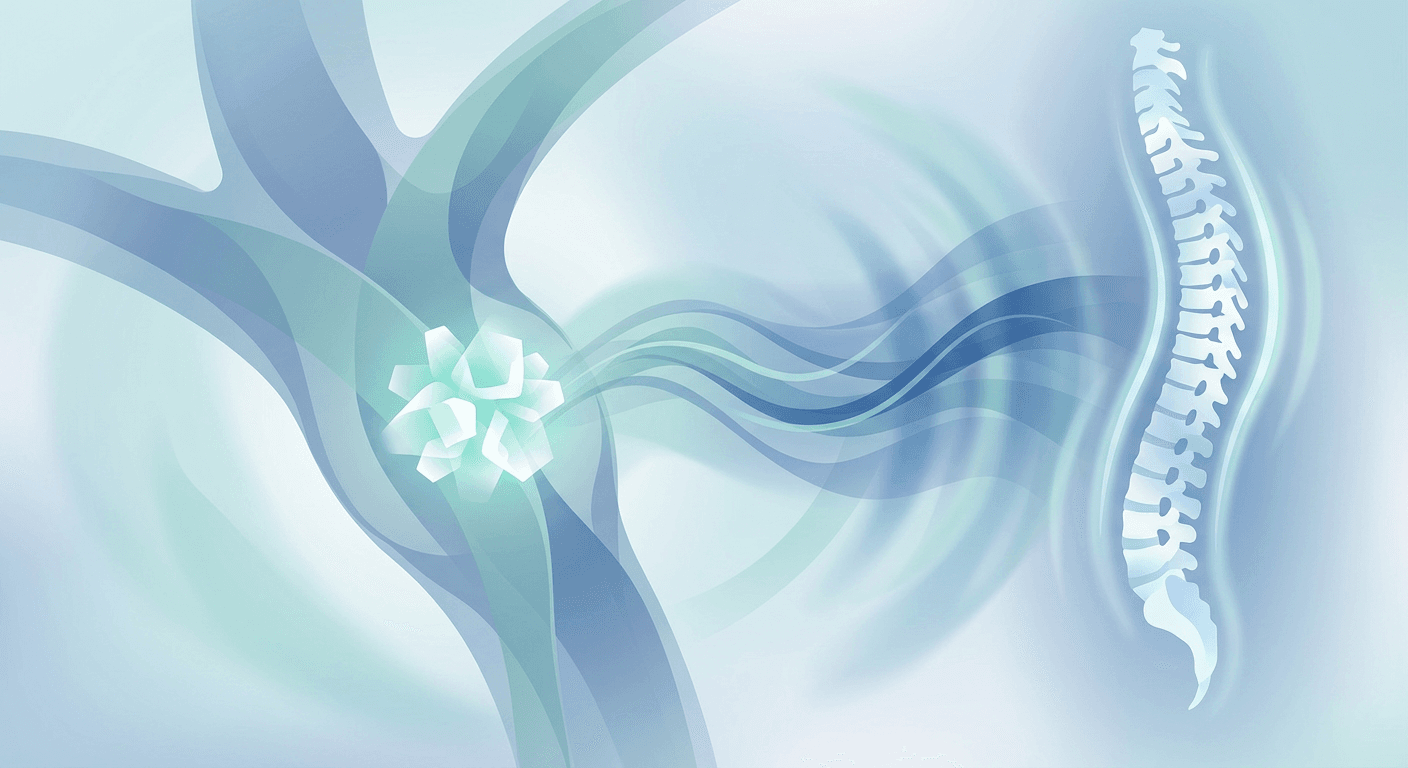
Bile duct cancer can cause back pain as referred pain from the right upper abdomen due to biliary obstruction, inflammation, or tumor pressure, though abdominal pain is more typical. Seek prompt evaluation if back pain occurs with jaundice, dark urine, pale stools, fever, unintended weight loss, or right‑upper‑quadrant pain, as clinicians may order liver tests and imaging to assess for obstruction and possible cancer.
Bile duct cancer (cholangiocarcinoma) can cause back pain, although abdominal pain is more typical; when back pain occurs with warning signs such as jaundice, dark urine, pale stools, fever, unexplained weight loss, or right‑upper abdominal pain, it should prompt timely medical evaluation. [1] [2] Back pain related to bile duct cancer may be “referred” from the upper right abdomen (under the right ribs or below the right shoulder blade) due to irritation and blockage in the biliary system. [3] [4]
How bile duct cancer can lead to pain
- Bile duct cancer often presents with biliary obstruction and inflammation, leading to upper right abdominal pain that can radiate to the back or under the right shoulder blade. [1] [2]
- The pain mechanism is commonly due to distension of bile ducts, local inflammation, or tumor pressure on nearby nerves and tissues, producing referred pain patterns into the back. [3] [4]
- Many people first notice jaundice (yellowing of skin/eyes), severely itchy skin, pale/white stools, dark urine, and fatigue, sometimes accompanied by right‑upper‑quadrant pain radiating to the back. [1] [2]
Red flags that should trigger medical evaluation
Seek prompt medical care if back pain occurs with any of the following warning signs, as these can suggest a serious cause including biliary disease or cancer:
- Jaundice, dark urine, pale/clay‑colored stools, or intense itching. [1] [2]
- Right‑upper abdominal pain that radiates to the back or below the right shoulder blade. [3] [2]
- Fever or chills (possible biliary infection known as cholangitis). [1] [5]
- Unintended weight loss or persistent fatigue. [1] [6]
- New or worsening back pain that is constant, intense, or paired with systemic symptoms (fever, weight loss). [7] [8]
General back‑pain guidance also advises evaluation for unexplained weight loss, fever, new bowel or bladder problems, or severe, persistent pain, because these features raise concern for serious underlying conditions. [7] [8]
What doctors may check
- Clinical exam and history focusing on the pattern of pain, jaundice, pruritus (itching), stool/urine color changes, fevers, and weight changes. [1]
- Blood tests for liver and biliary markers (e.g., bilirubin, liver enzymes) when jaundice or cholestatic symptoms are present. [1]
- Imaging such as ultrasound, CT, or MRCP to look for bile duct dilation or blockages and to assess for tumors. [9]
- Endoscopic or percutaneous cholangiography may be used to confirm blockage and define tumor extent, often guiding stent placement for relief. [9]
- If cancer is suspected, tissue diagnosis and staging help plan treatment, which can include surgery, biliary drainage/stenting, and systemic therapy depending on resectability. [9] [10]
Symptom relief and pain control
- When bile flow is blocked, endoscopic or percutaneous stenting can relieve jaundice and may reduce pain. [9]
- For advanced disease, specialized pain interventions (e.g., celiac plexus neurolytic block) can help manage significant abdominal and referred back pain. [11]
- In selected cases, chemotherapy can relieve symptoms if a tumor is pressing on a nerve and causing pain. [12]
When back pain is less likely from bile duct cancer
Back pain is common and often due to musculoskeletal causes; however, the combination of back pain with biliary symptoms (jaundice, dark urine, pale stools, itching) or with right‑upper abdominal pain is more concerning and warrants medical evaluation rather than watchful waiting. [1] [2] Back pain without any biliary or systemic red flags is less likely to be related to bile duct cancer. [7]
Quick reference: symptoms that merit prompt evaluation
- Jaundice, dark urine, pale/white stools, or intense itching. [1]
- Right‑upper abdominal pain radiating to the back or under the right shoulder blade. [3] [2]
- Fever or chills (possible biliary infection). [5] [1]
- Unintended weight loss or persistent fatigue. [7] [6]
- Severe, constant back pain, especially with systemic symptoms. [8] [7]
If you notice back pain together with any of the above signs, it would be reasonable to seek prompt medical assessment to rule out biliary obstruction or cholangiocarcinoma and to begin appropriate treatment if needed. [1] [9]
Related Questions
Related Articles

Sources
- 1.^abcdefghijklSymptoms and causes - Mayo Clinic(mayoclinic.org)
- 2.^abcdefgColangiocarcinoma: MedlinePlus enciclopedia médica(medlineplus.gov)
- 3.^abcdCholangitis: MedlinePlus Medical Encyclopedia(medlineplus.gov)
- 4.^abCholangitis: MedlinePlus Medical Encyclopedia(medlineplus.gov)
- 5.^abColangitis: MedlinePlus enciclopedia médica(medlineplus.gov)
- 6.^abSymptoms and causes - Mayo Clinic(mayoclinic.org)
- 7.^abcdeBack pain - Symptoms and causes(mayoclinic.org)
- 8.^abcLow back pain in adults(mayoclinic.org)
- 9.^abcdeCholangiocarcinoma.(pubmed.ncbi.nlm.nih.gov)
- 10.^↑"Natural history" of unresected cholangiocarcinoma: patient outcome after noncurative intervention.(pubmed.ncbi.nlm.nih.gov)
- 11.^↑Symptom Relief for Bile Duct Cancer (Cholangiocarcinoma)(mskcc.org)
- 12.^↑Chemotherapy for Bile Duct Cancer (Cholangiocarcinoma)(mskcc.org)
Important Notice: This information is provided for educational purposes only and is not intended to replace professional medical advice, diagnosis, or treatment. Always consult with a qualified healthcare provider before making any medical decisions.