
 Persly Medical Team
Based on NIH | Can bile duct cancer cause heart palpitations, and through what mechanisms or associated complications might this occur?
Bile duct cancer does not typically cause heart palpitations directly, but palpitations can arise from complications such as infection/sepsis, anemia, electrolyte disturbances/dehydration, pain/anxiety, medication effects, liver dysfunction, and systemic inflammation. Evaluation should include vitals, labs, ECG, and medication review, and treatment focuses on correcting underlying issues. Seek urgent care for red flags like chest pain, syncope, severe shortness of breath, or palpitations with high fever.
Can Bile Duct Cancer Cause Heart Palpitations?
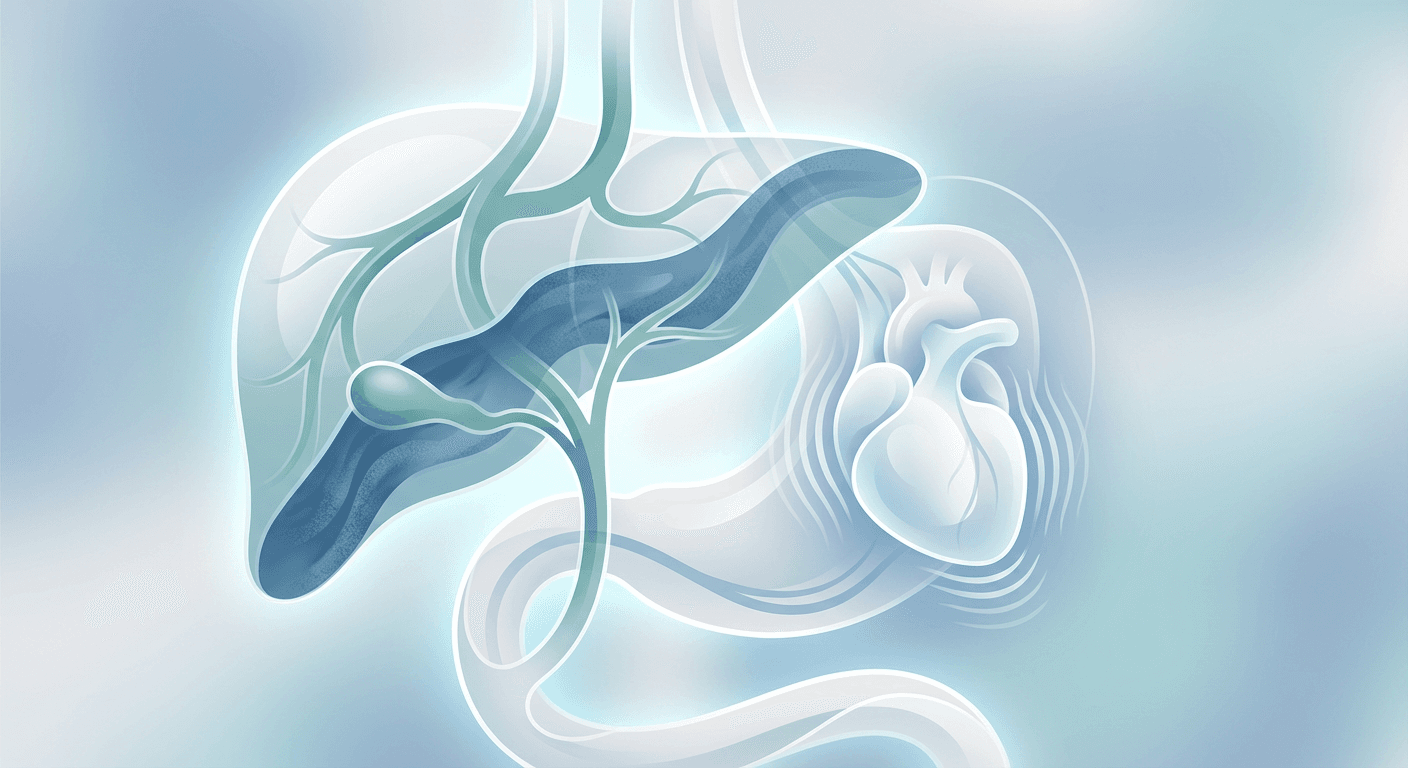
Heart palpitations (a feeling of a racing, fluttering, or irregular heartbeat) are not a typical direct symptom of bile duct cancer (cholangiocarcinoma), but they can occur indirectly through several mechanisms and complications that commonly accompany this disease. In practice, palpitations are more likely to be secondary to issues such as anemia, infection, electrolyte or fluid imbalance, pain, anxiety, medication effects, or advanced liver dysfunction rather than the tumor itself. [1] [2]
What Bile Duct Cancer Commonly Causes
Bile duct cancer often presents with cholestasis (reduced or blocked bile flow) leading to jaundice, itching, pale stools, dark urine, abdominal pain, nausea, weight loss, fever, and fatigue. These are recognized core features of cholangiocarcinoma and cholestasis rather than cardiac symptoms. [1] [3] [2] [4] Patients frequently present late, when obstruction and systemic effects are more pronounced. [3] [2]
Indirect Pathways to Palpitations
1) Infection and Sepsis from Biliary Obstruction
Obstructed bile ducts predispose to ascending cholangitis and recurrent infections. Systemic infection and sepsis can trigger tachycardia and palpitations due to fever, inflammatory cytokines, and circulatory stress. [5] Sepsis associated with cholestasis can also cause organ strain and dysautonomia, amplifying heart rate fluctuations. [6]
2) Anemia and Cancer-Related Cachexia
Advanced cholangiocarcinoma is often associated with malnutrition and cachexia; anemia can develop from chronic disease, nutritional deficits, bleeding, or treatment effects. Anemia reduces oxygen delivery, prompting compensatory tachycardia that users perceive as palpitations. [7] Fatigue and weakness in this context reflect systemic strain rather than primary heart disease. [3]
3) Electrolyte and Fluid Imbalances
Cholestasis and poor oral intake can lead to dehydration and abnormal electrolytes (such as potassium, magnesium, calcium). These imbalances are well-known triggers for cardiac arrhythmias and palpitations. [4] Vomiting and malabsorption in cholestasis further destabilize electrolytes, increasing arrhythmia risk. [8]
4) Pain, Stress, and Autonomic Activation
Abdominal pain, itching, and anxiety linked to jaundice and cancer burden elevate sympathetic tone. This “fight-or-flight” state raises heart rate and can produce palpitations even without a structural heart problem. [2] [3]
5) Medication Effects
Drugs used for symptom control (antiemetics, antihistamines, some antibiotics, and certain anticancer agents) may prolong QT interval or otherwise affect heart rhythm. In susceptible individuals, these medication effects can manifest as palpitations or documented arrhythmias. [8]
6) Liver Dysfunction and Metabolic Stress
When bile duct cancer impairs liver function, toxin clearance and metabolic regulation suffer. Advanced liver disease can alter fluid balance and hormonal pathways, contributing to irregular heartbeats. [9] Jaundice and cholestasis indicate systemic metabolic strain, which indirectly stresses the cardiovascular system. [10] [4]
7) Systemic Inflammation and Cytokine Effects
Cholangiocarcinoma arises in an inflammatory milieu with cytokines like IL‑6 and TNF‑α driving tumor processes. These inflammatory mediators raise metabolic demand and sympathetic tone, which can increase resting heart rate and provoke palpitations. [11] [12] [13] Chronic inflammation also worsens cachexia and weakness, again pushing the heart to beat faster. [7]
Typical Symptoms vs. Palpitations
- Typical cholangiocarcinoma/cholestasis symptoms: Jaundice, itching, pale stools, dark urine, right upper abdominal pain, nausea, weight loss, fever, and fatigue. [1] [3] [2] [4]
- Secondary cardiac sensations: Palpitations often reflect systemic complications (fever/sepsis, anemia, dehydration/electrolyte disturbances, pain/stress, medication side effects, or advanced liver dysfunction). Thus, palpitations are better viewed as a downstream effect rather than a hallmark of bile duct cancer itself. [5] [7] [4] [8] [9]
Practical Evaluation Steps
- Check vital signs and temperature: Fever or hypotension suggests infection or sepsis as a trigger for tachycardia and palpitations. [5] [6]
- Order basic labs: Complete blood count (to assess anemia), metabolic panel (electrolytes, kidney function), and liver tests (bilirubin, alkaline phosphatase) to identify cholestasis and metabolic drivers. [4] [14]
- Review medications: Screen for QT‑prolonging or arrhythmogenic drugs; adjust if necessary. This is especially relevant when multiple symptom-control agents are used. [8]
- ECG and rhythm monitoring: If palpitations are persistent, accompanied by dizziness or chest discomfort, or if electrolytes are abnormal, assess for arrhythmias. Early identification guides targeted correction (e.g., potassium/magnesium repletion). [15]
- Treat underlying complications: Drainage of obstructed bile ducts, antibiotics for cholangitis, nutritional support, and correction of electrolytes typically reduce palpitations by addressing root causes. Optimizing cancer and cholestasis management lowers systemic stress on the heart. [4] [16]
When to Seek Urgent Care
- Red flags include chest pain, fainting, severe shortness of breath, very fast heart rate at rest, or palpitations with high fever these may indicate arrhythmia or sepsis and need urgent evaluation. Prompt treatment reduces the risk of organ failure in cholestasis-related infections. [6]
Key Takeaways
- Bile duct cancer does not typically cause palpitations directly, but palpitations can arise from common complications such as infection/sepsis, anemia, electrolyte disturbances, dehydration, pain/anxiety, medication effects, and advanced liver dysfunction. [1] [3] [2] [5] [7] [4] [8] [9]
- Addressing the underlying drivers especially cholangitis, electrolyte imbalance, and anemia usually improves palpitations. [4] [6]
- Structured evaluation (vitals, labs, ECG, medication review) helps distinguish benign palpitations from clinically significant arrhythmias requiring urgent care. [15]
Quick Reference Table: Mechanisms Linking Bile Duct Cancer to Palpitations
| Mechanism | How It Leads to Palpitations | Clinical Clues |
|---|---|---|
| Infection/Sepsis from obstruction | Fever, cytokine surge → tachycardia | High fever, rigors, hypotension |
| Anemia/cachexia | Low oxygen delivery → compensatory tachycardia | Fatigue, pallor, low Hb |
| Electrolyte disturbances/dehydration | Electrical instability of myocardium | Vomiting, poor intake, abnormal electrolytes |
| Pain/stress/anxiety | Sympathetic activation → increased heart rate | Severe itching, pain, anxiety |
| Medication effects | QT prolongation/arrhythmogenic effects | Recent med changes, polypharmacy |
| Liver dysfunction/metabolic stress | Impaired clearance, fluid shifts → arrhythmias | Jaundice, abnormal liver tests |
| Systemic inflammation/cytokines | Elevated IL‑6/TNF‑α → higher metabolic/sympathetic tone | Active inflammation, weight loss |
Related Questions
Related Articles

Sources
- 1.^abcdBile Duct Cancer(medlineplus.gov)
- 2.^abcdefgCholangiocarcinoma (bile duct cancer) - Symptoms and causes(mayoclinic.org)
- 3.^abcdefghBile Duct Cancer (Cholangiocarcinoma)(mskcc.org)
- 4.^abcdefghijCholestasis: MedlinePlus Medical Encyclopedia(medlineplus.gov)
- 5.^abcdeCholangiocarcinoma.(pubmed.ncbi.nlm.nih.gov)
- 6.^abcdeCholestasis: MedlinePlus Medical Encyclopedia(medlineplus.gov)
- 7.^abcdeCholangiocarcinoma: a compact review of the literature.(pubmed.ncbi.nlm.nih.gov)
- 8.^abcdefgCholestasis: MedlinePlus Medical Encyclopedia(medlineplus.gov)
- 9.^abcdLiver Diseases(medlineplus.gov)
- 10.^abJaundice(medlineplus.gov)
- 11.^abCholangiocarcinoma: risk factors, environmental influences and oncogenesis.(pubmed.ncbi.nlm.nih.gov)
- 12.^abMolecular mechanism of cholangiocarcinoma carcinogenesis.(pubmed.ncbi.nlm.nih.gov)
- 13.^abChronic inflammation and cytokines in the tumor microenvironment.(pubmed.ncbi.nlm.nih.gov)
- 14.^↑Colestasis: MedlinePlus enciclopedia médica(medlineplus.gov)
- 15.^abTrouble breathing(mayoclinic.org)
- 16.^↑Proximal biliary tumors.(pubmed.ncbi.nlm.nih.gov)
Important Notice: This information is provided for educational purposes only and is not intended to replace professional medical advice, diagnosis, or treatment. Always consult with a qualified healthcare provider before making any medical decisions.