
 Persly Medical Team
Based on PubMed | How common is unintended weight loss in Alzheimer's disease, and what mechanisms within the disease contribute to it?
Unintended weight loss is common after Alzheimer’s onset and is linked to worse outcomes, including faster progression and greater morbidity. It arises from multiple mechanisms: neurodegeneration affecting appetite and feeding, behavioral and functional barriers, dysphagia in later stages, medication side effects (e.g., cholinesterase inhibitors), and systemic metabolic changes. Proactive nutrition strategies, environmental supports, texture adjustments, hydration, calorie-dense foods, and medication review can help mitigate it.
Unintended Weight Loss in Alzheimer’s Disease: How Common Is It and Why Does It Happen?
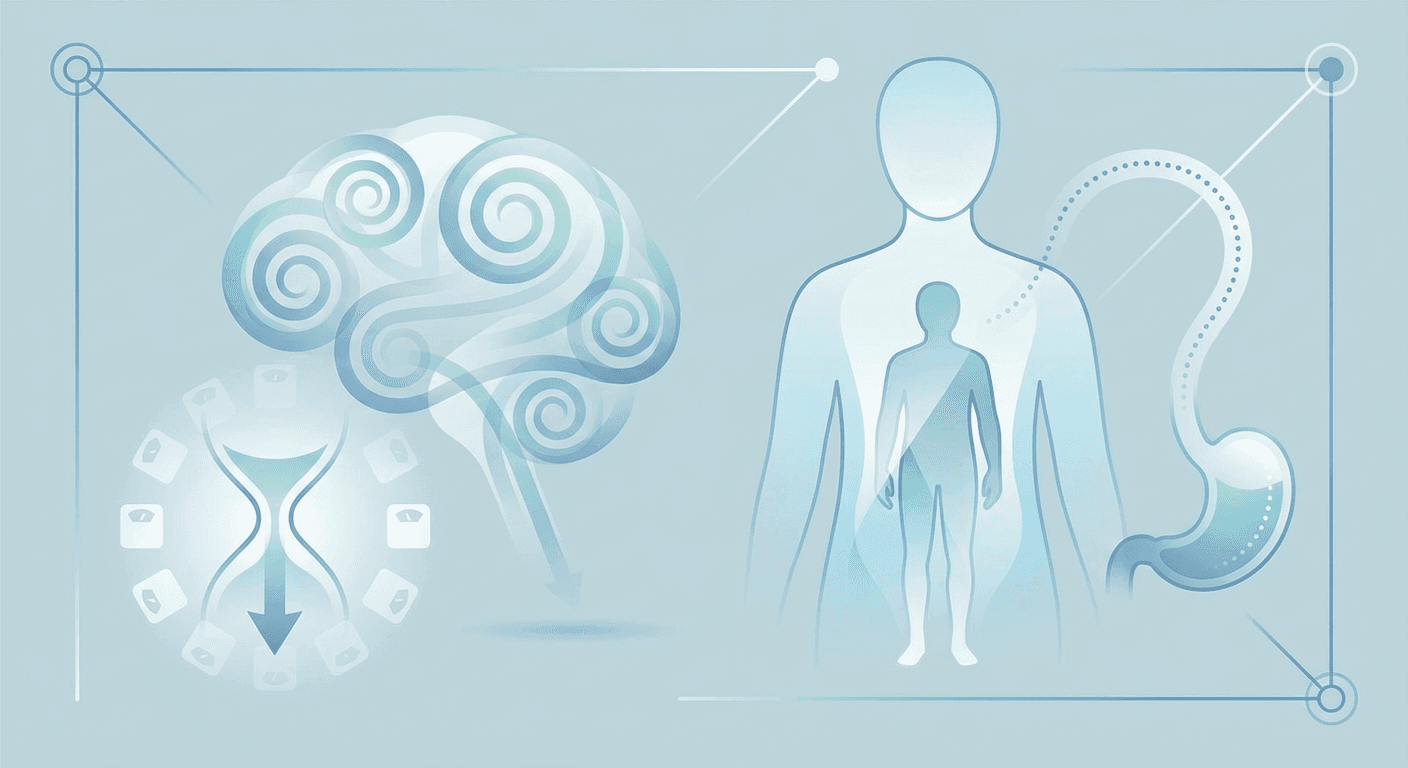
Unintended weight loss is widely observed in people living with Alzheimer’s disease and is linked with worse outcomes such as faster disease progression, higher illness burden, and lower quality of life. [1] Weight loss typically develops after the onset of Alzheimer’s and appears, in most cases, to be a consequence of the neurodegenerative process rather than a cause. [2] Even when external factors are controlled, the association between Alzheimer’s progression and involuntary weight loss tends to persist. [3]
How Common Is Weight Loss?
- Weight loss is a common clinical feature in community-dwelling and institutionalized older adults with Alzheimer’s disease. [1]
- Reviews of international studies consistently document weight loss in Alzheimer’s populations, supporting that the phenomenon is frequent across different care settings and countries. [4]
- Observational data suggest that a substantial percentage of individuals experience involuntary weight loss after Alzheimer’s onset, although exact percentages vary by study and setting. [5]
Why Does Weight Loss Occur in Alzheimer’s?
Brain Changes Affecting Appetite and Feeding
Neurodegeneration in regions that regulate appetite and feeding behavior can reduce hunger cues, diminish interest in food, and impair the ability to recognize or use utensils, making adequate intake difficult. [1]
Functional and Behavioral Challenges
Memory loss, apathy, agitation, and difficulty sequencing tasks can interfere with shopping, meal preparation, and eating, leading to lower caloric intake despite food availability. [1]
Swallowing Difficulties and Later-Stage Complications
As the disease advances, changes in motor control and coordination can impair swallowing (dysphagia), increasing the risk of aspiration, infections, and poor nutrition or dehydration. [6] These complications compound nutritional deficits and can accelerate weight loss. [7]
Medication-Related Factors
Common Alzheimer’s medications (cholinesterase inhibitors such as donepezil) can cause gastrointestinal side effects including nausea and decreased appetite, contributing to weight loss in some users. [8] Higher doses of donepezil have been associated with a greater percentage of patients experiencing clinically significant weight decreases (for example, ≥7% from baseline). [9] People with lower baseline body weight may be more susceptible to adverse reactions and weight loss on donepezil. [10]
Metabolic and Systemic Changes
Findings across multiple studies suggest systemic, metabolic alterations may accompany Alzheimer’s disease, potentially increasing energy expenditure or disrupting nutritional metabolism, which can contribute to chronic weight loss and malnutrition. [4]
Clinical Impact of Weight Loss
- Weight loss in Alzheimer’s is associated with increased morbidity and mortality, faster functional decline, and poorer quality of life. [1]
- It may be intertwined with disease progression rather than serving as an independent early risk factor; ongoing malnutrition can further worsen frailty and health complications. [2] [3]
Practical Strategies to Address Weight Loss
Optimize Mealtime Environment
Creating calm, supportive mealtime routines, offering simple plate setups, and presenting one or two foods at a time can help maintain functional independence and increase intake. [11] Limiting distractions and encouraging self-feeding with finger foods can also be useful. [12]
Tailor Food Texture and Swallowing Safety
For those with swallowing difficulties, adjusting food textures and avoiding thin liquids when risky can reduce aspiration and improve nutrition. [12] Monitoring for swallowing problems is important, as late-stage changes can increase aspiration and infection risks. [6]
Hydration and Constipation Prevention
Regular, easy-access fluids (preferably non-caffeinated) and fiber can help prevent dehydration and constipation, which often reduce appetite and intake. [13] [14]
Calorie Density and Supplementation
High-energy nutritional supplements are commonly used and are generally effective in at-risk individuals, though benefits may be less in those with the lowest body mass index. [1] Offering favorite, easy-to-eat, calorie-dense foods and shakes can support weight maintenance. [13]
Medication Review
If weight loss coincides with the start or dose increase of a cholinesterase inhibitor, discussing dose adjustments, timing, or taking medication with food may help mitigate side effects. [8] Clinicians may reassess risks and benefits, especially in individuals with lower baseline weight or significant gastrointestinal symptoms. [10]
Key Takeaways
- Unintended weight loss is common in Alzheimer’s disease across both community and institutional settings. [1] [4]
- Mechanisms are multifactorial, involving appetite regulation changes from neurodegeneration, behavioral and functional barriers to eating, dysphagia in later stages, medication side effects, and possible systemic metabolic alterations. [1] [6] [8] [4]
- Clinical vigilance and proactive nutrition strategies including environmental supports, texture modification, hydration, calorie-dense foods, and medication review can help mitigate weight loss and its complications. [1] [11] [12] [13]
Summary Table: Contributors to Weight Loss and Practical Responses
| Contributor | How It Leads to Weight Loss | Practical Response |
|---|---|---|
| Brain changes in feeding centers | Reduced appetite and hunger cues | Offer favorite foods, structured mealtimes, simple setups to encourage eating. [1] [11] |
| Behavioral/functional issues | Difficulty preparing/eating meals | Present limited items at a time, use finger foods, gentle coaching for self-feeding. [1] [12] |
| Dysphagia (swallowing difficulty) | Aspiration risk, lower intake | Adjust textures, avoid risky thin liquids when indicated, monitor swallowing. [6] [12] |
| Medication side effects (e.g., donepezil) | Nausea, reduced appetite, weight loss | Review dose/timing, take with food, consider dose changes if appropriate. [8] [9] [10] |
| Metabolic/systemic changes | Increased expenditure or altered metabolism | Increase caloric density, consider supplements, monitor weight trends. [4] [1] |
| Dehydration/constipation | Appetite suppression, discomfort | Encourage regular non-caffeinated fluids and fiber. [13] [14] |
Related Questions
Related Articles


Sources
- 1.^abcdefghijklWeight loss and nutritional considerations in Alzheimer disease.(pubmed.ncbi.nlm.nih.gov)
- 2.^abAn open-ended question: Alzheimer's disease and involuntary weight loss: which comes first?(pubmed.ncbi.nlm.nih.gov)
- 3.^abAn open-ended question: Alzheimer's disease and involuntary weight loss: which comes first?(pubmed.ncbi.nlm.nih.gov)
- 4.^abcdeWeight loss in Alzheimer's disease: an international review of the literature.(pubmed.ncbi.nlm.nih.gov)
- 5.^↑An open-ended question: Alzheimer's disease and involuntary weight loss: which comes first?(pubmed.ncbi.nlm.nih.gov)
- 6.^abcdAlzheimer's disease - Symptoms and causes(mayoclinic.org)
- 7.^↑Alzheimer's disease - Symptoms and causes(mayoclinic.org)
- 8.^abcdHow Alzheimer's medicines help manage symptoms(mayoclinic.org)
- 9.^abThese highlights do not include all the information needed to use Donepezil Hydrochloride Tablets safely and effectively. See full prescribing information for Donepezil Hydrochloride Tablets. DONEPEZIL Hydrochloride Tablets, for oral use Initial U.S. Approval: 1996(dailymed.nlm.nih.gov)
- 10.^abcDONEPEZIL HYDROCHLORIDE tablet, film coated(dailymed.nlm.nih.gov)
- 11.^abc알츠하이머식 | 식사요법 | 의료정보 | 건강정보(amc.seoul.kr)
- 12.^abcde알츠하이머식 | 식사요법 | 의료정보 | 건강정보(amc.seoul.kr)
- 13.^abcdAlzheimer's disease - Diagnosis and treatment(mayoclinic.org)
- 14.^abAlzheimer's disease - Diagnosis and treatment(mayoclinic.org)
Important Notice: This information is provided for educational purposes only and is not intended to replace professional medical advice, diagnosis, or treatment. Always consult with a qualified healthcare provider before making any medical decisions.