
 Persly Medical Team
Based on NIH | How common is difficulty swallowing in Alzheimer's disease, what causes it, and what warning signs should caregivers watch for?
Dysphagia is common in Alzheimer’s disease, affecting roughly 40–50% of people with dementia in long-term care and increasing in late stages. It arises from neurodegenerative changes that impair swallow control and raises risks of aspiration pneumonia, malnutrition, and dehydration. Caregivers should watch for coughing or choking during meals, wet/gurgly voice, throat clearing, slow chewing, weight loss, and recurrent chest infections, and seek timely assessment.
Dysphagia in Alzheimer’s Disease: Prevalence, Causes, and Caregiver Warning Signs
Difficulty swallowing (dysphagia) becomes increasingly common as Alzheimer’s disease advances, especially in the late stages. [1] In people with dementia living in long‑term care, estimates suggest that about 40% to 50% have swallowing problems, and approximately 45% of institutionalized dementia patients specifically show dysphagia. [2] As Alzheimer’s progresses to severe stages, loss of motor control often includes the ability to swallow, contributing to complications like aspiration pneumonia. [3] Many individuals with Alzheimer’s ultimately lose the ability to swallow near the end of the disease course, which is a significant factor in mortality from aspiration pneumonia. [4]
How Common Is It?
- Swallowing difficulties are more frequent in older adults and those with neurological conditions, including dementia. [5] Among older adults in long‑term care, dysphagia prevalence can reach 40% to 50%. [2] In institutionalized dementia populations, around 45% may have dysphagia, reflecting both age‑related changes and disease‑related brain pathology. [2] In late Alzheimer’s, swallowing impairment is a recognized feature of disease progression. [1]
Why Does Dysphagia Happen in Alzheimer’s?
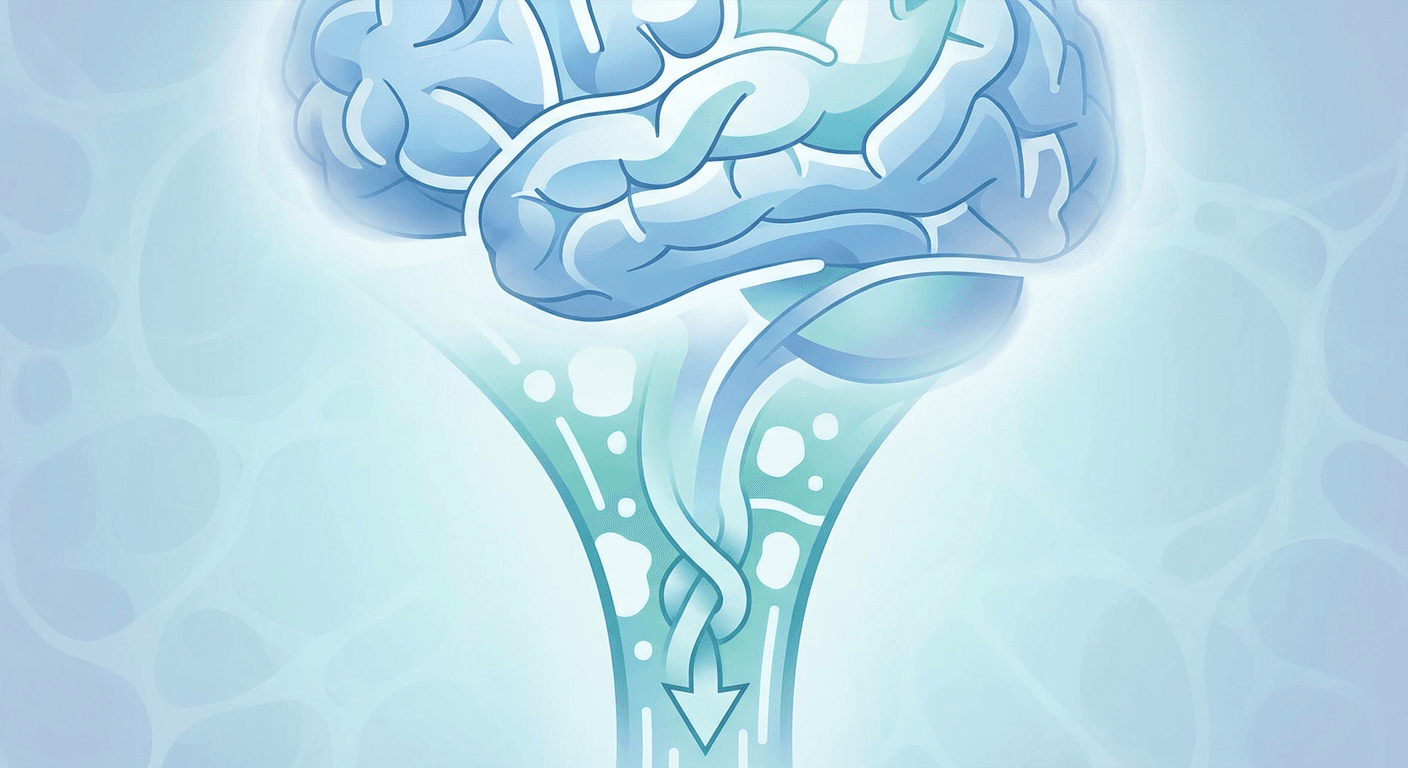
- Alzheimer’s causes brain changes that gradually affect physical functions, including the complex nerve and muscle coordination needed for safe swallowing. [1] With disease progression, loss of motor control can impair the sequencing of mouth, throat, and esophageal movements required to move food and liquid safely to the stomach. [3] Neurologic and nervous system disorders are key risk factors for dysphagia, and Alzheimer’s falls within this group. [5] In dementia, dysphagia likely results from combined effects of aging (sensory–motor changes) and specific neurodegenerative damage affecting swallow control. [2]
Why It Matters: Health Risks
- Dysphagia in Alzheimer’s increases the risk of inhaling food or liquid into the lungs (aspiration), which can cause pneumonia and other respiratory infections. [1] Aspiration pneumonia is a common and serious problem in older adults, strongly linked to oropharyngeal and esophageal dysphagia, dementia, and poor oral hygiene. [6] In addition to lung infections, swallowing problems can lead to dehydration, malnutrition, and weight loss. [2] These complications contribute substantially to illness and mortality in advanced Alzheimer’s. [4]
Warning Signs Caregivers Should Watch For
- Coughing or choking during or after meals are classic red flags for aspiration risk. [7] A wet or gurgly voice, throat clearing after drinking, and noisy or labored breathing during meals suggest food or liquid may be entering the airway. [8] Slow chewing or prolonged eating time can indicate difficulty managing food in the mouth. [7] Hiccups after swallowing, chest discomfort with meals, or regurgitating food are additional clues. [7] Unexplained weight loss, recurrent fevers, or repeated respiratory infections may signal silent aspiration. [7] If coughing, gagging, or trouble breathing occurs during eating or drinking, it’s important to stop and contact a healthcare provider promptly. [9]
Practical Prevention Tips for Mealtimes
- Reduce distractions during meals (turn off TV/radio) and create a calm environment to help focus on safe swallowing. [10] Offer foods with appropriate textures (soft, moist, or pureed if needed) and avoid items that are very hot or very cold, which can trigger discomfort or unsafe swallowing. [11] Finger foods can help when utensils become hard to use, but choose options that are soft and easy to chew. [11] Encourage upright sitting during meals and for at least 30 minutes afterward to reduce reflux and aspiration risk. [8] Watch carefully for coughing, gurgly voice, or throat clearing during and after meals, and pause feeding if these signs appear. [8] Adequate hydration and monitoring for dehydration are important, as people with dementia may forget to drink. [12]
Evaluation and Treatment Options
- Initial screening can be done at the bedside by a trained clinician who observes swallowing different textures and checks oral motor movements. [13] Instrumental tests like a dynamic swallowing study (videofluoroscopic swallow with barium) can show how food travels and whether it enters the airway. [14] Endoscopy may be used to visualize throat structures and detect abnormalities affecting swallow safety. [14] For neurologic causes like Alzheimer’s, targeted exercises and techniques taught by a speech‑language pathologist can help strengthen muscles and improve swallow coordination. [15] Swallow rehabilitation and compensatory strategies have been associated with safer oral intake, better nutrition, and fewer pneumonia episodes in older adults with dysphagia. [16]
Table: Key Points for Caregivers
| Topic | What to Know | Action Steps |
|---|---|---|
| Prevalence | Dysphagia is common in dementia; ~40–50% in long‑term care; ~45% in institutionalized dementia. [2] | Expect swallow changes as Alzheimer’s progresses and plan proactive screening. [1] |
| Causes | Neurodegeneration impairs motor control and coordination of swallowing. [1] [3] | Seek assessment by clinicians familiar with neurologic dysphagia. [13] |
| Warning Signs | Coughing, choking, gurgly voice, throat clearing, slow eating, weight loss. [7] [8] | Stop meals if signs occur and contact a provider. [9] |
| Complications | Aspiration pneumonia, dehydration, malnutrition. [1] [6] | Monitor weight, hydration, and respiratory symptoms; address oral hygiene. [6] |
| Evaluation | Bedside screen, dynamic swallow study, endoscopy. [13] [14] | Ask for a referral to a speech‑language pathologist. [15] |
| Management | Texture modification, posture, pacing, exercises, caregiver training. [15] [16] | Use calm mealtime routines, adjust food textures, and follow therapy plans. [10] [11] |
When to Seek Medical Help
- New or worsening coughing, choking, or wet voice with meals warrants prompt clinical assessment. [9] Fever, shortness of breath, or repeated chest infections may indicate aspiration pneumonia and should be evaluated urgently. [6] If weight loss or dehydration is noted, discuss nutritional support and swallow safety with the care team. [2]
Bottom Line
- Dysphagia is relatively common in Alzheimer’s, particularly in advanced stages, and stems from disease‑related changes in the brain’s control of swallowing. [1] Because aspiration pneumonia, malnutrition, and dehydration are serious risks, caregivers should watch for warning signs such as coughing during meals, gurgly voice, and slow chewing, and seek timely assessment and therapy. [7] Targeted evaluation and swallow‑focused care can meaningfully improve safety and comfort at mealtimes. [15]
Related Questions
Related Articles



Sources
- 1.^abcdefghAlzheimer's disease - Symptoms and causes(mayoclinic.org)
- 2.^abcdefgDementia and dysphagia.(pubmed.ncbi.nlm.nih.gov)
- 3.^abcAlzheimer's stages: How the disease progresses(mayoclinic.org)
- 4.^abAlzheimer's disease(stanfordhealthcare.org)
- 5.^abDysphagia - Symptoms and causes(mayoclinic.org)
- 6.^abcdDysphagia and aspiration pneumonia in older adults.(pubmed.ncbi.nlm.nih.gov)
- 7.^abcdefSwallowing problems : MedlinePlus Medical Encyclopedia(medlineplus.gov)
- 8.^abcdHow to Prevent Aspiration(mskcc.org)
- 9.^abcHow to Prevent Aspiration(mskcc.org)
- 10.^abDementia - daily care: MedlinePlus Medical Encyclopedia(medlineplus.gov)
- 11.^abcDementia - daily care: MedlinePlus Medical Encyclopedia(medlineplus.gov)
- 12.^↑Dementia - home care: MedlinePlus Medical Encyclopedia(medlineplus.gov)
- 13.^abcDysphagia Tests: MedlinePlus Medical Test(medlineplus.gov)
- 14.^abcDysphagia - Diagnosis and treatment(mayoclinic.org)
- 15.^abcdDysphagia - Diagnosis and treatment(mayoclinic.org)
- 16.^abDysphagia in the elderly: management and nutritional considerations.(pubmed.ncbi.nlm.nih.gov)
Important Notice: This information is provided for educational purposes only and is not intended to replace professional medical advice, diagnosis, or treatment. Always consult with a qualified healthcare provider before making any medical decisions.