
 Persly Medical Team
Based on PubMed | Is back pain a symptom of Alzheimer’s disease, or does it usually indicate a separate musculoskeletal or neurological condition?
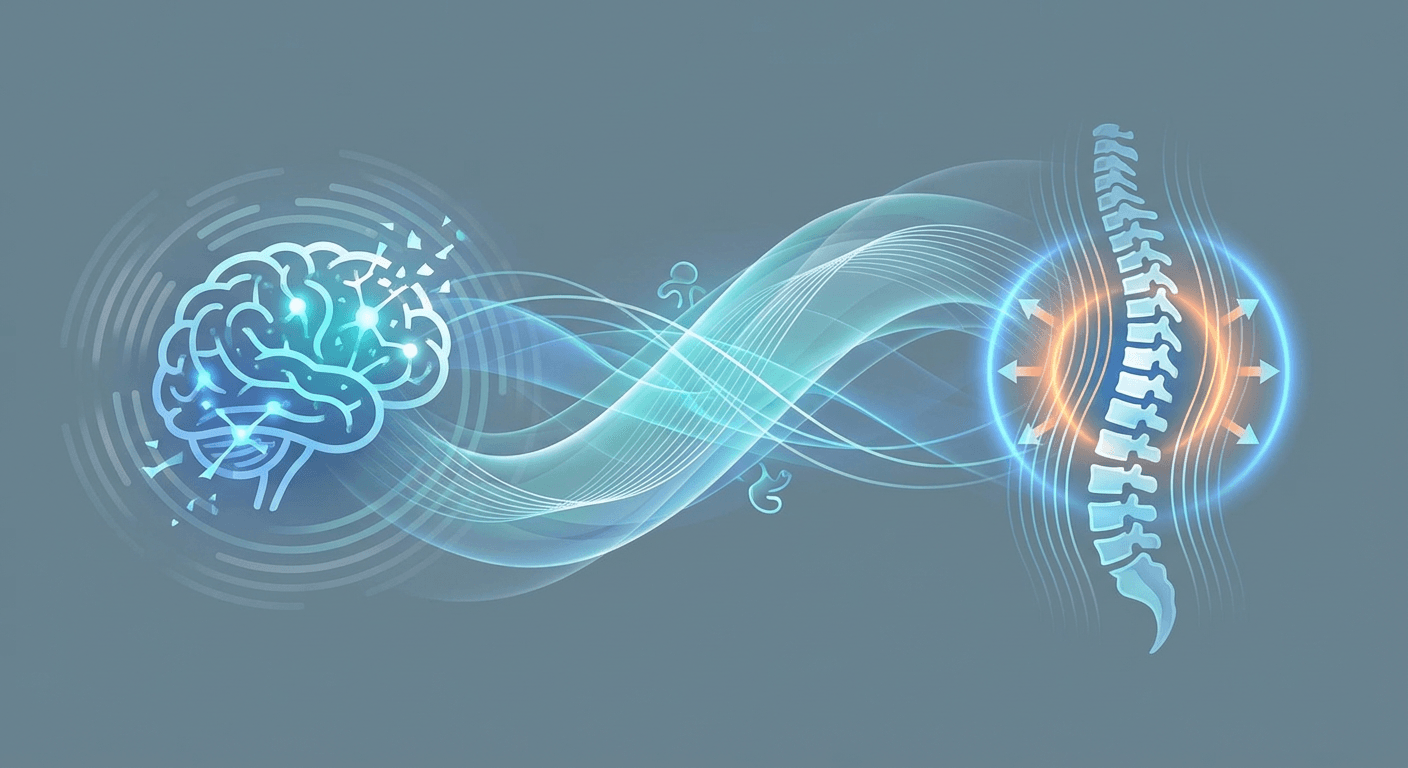
Back pain is not a typical symptom of Alzheimer's disease; it usually points to separate musculoskeletal or neurological issues. Alzheimer's can make pain harder to recognize and report, so combine self-report, caregiver input, and behavioral observation. Seek medical care for red flags like weakness, numbness, bowel/bladder changes, or post-fall pain.
Is Back Pain a Symptom of Alzheimer’s Disease?
Back pain is not a typical symptom of Alzheimer’s disease and, in most cases, points to a separate musculoskeletal or neurological condition such as muscle strain, arthritis, degenerative disc disease, spinal stenosis, or osteoporosis. Alzheimer’s primarily affects memory, thinking, behavior, and later on basic physical functions like swallowing and balance; it does not directly cause localized back pain. [1] [2] As Alzheimer’s progresses, people may struggle to report pain clearly, follow treatments, or describe medication side effects, which can make existing pain conditions harder to identify and manage. [3] [4]
How Alzheimer’s Affects Pain Reporting
- People with Alzheimer’s can often still perceive pain, but communication barriers and language deficits make it difficult to describe location and intensity. [5]
- Studies show pain is common even in mild Alzheimer’s, and caregivers often report more pain than individuals themselves, highlighting under‑reporting by those with cognitive impairment. [6]
- Pain in Alzheimer’s may be linked with depressive or neuropsychiatric symptoms and lower quality of life, so a combined self-report and caregiver report is often needed. [6]
What Typically Causes Back Pain in Older Adults
Back pain in older adults usually stems from conditions affecting the spine and surrounding structures, such as degenerative disc disease, osteoarthritis, spinal stenosis, muscle spasm, osteoporosis, or past injuries. [7] A thorough evaluation looks at history (timing, triggers, location), neurological symptoms (numbness, tingling, weakness), and includes physical and neurological exams with imaging when appropriate. [8] [9] X‑rays can reveal structural problems (e.g., reduced disc space, fractures), and advanced imaging may be used to clarify causes. [10]
Late-Stage Alzheimer’s: Indirect Links to Pain
While Alzheimer’s does not cause back pain itself, late-stage disease can affect swallowing, balance, and continence, which increases risks of falls, fractures, bedsores, and infections all of which may cause or worsen pain, including back pain. [11] People in advanced stages may also struggle to tell someone about being in pain or explain other symptoms, complicating diagnosis and treatment. [12] [3]
Practical Pain Assessment in Alzheimer’s
Because self-report may be limited, pain assessment should be structured and multi‑source:
- Self-report when possible using simple scales. [5]
- Caregiver/informant reports to capture observed pain behaviors. [6]
- Direct behavioral observation during guided movements; specialized tools like the MOBID‑2 pain scale help identify musculoskeletal pain intensity in dementia. [13]
- Recognize that mood disorders (depression, anxiety) can heighten perceived pain intensity in Alzheimer’s and may need concurrent treatment. [14]
Red Flags Suggesting a Neurological Cause
Certain back pain features warrant prompt medical evaluation for possible nerve involvement:
- Leg weakness, numbness, tingling, or shooting pain down the leg (sciatica). [8] [9]
- Changes in bladder or bowel control, severe unrelenting pain, or pain after a fall. [11]
- Progressive symptoms or difficulty walking/standing upright with suspected spinal stenosis or degenerative disease. [7]
Management Principles
- Use a multidisciplinary approach combining physical therapy, activity modification, and appropriate medications tailored to older adults. [15]
- Opioids may be considered for moderate to severe persistent pain when other options fail, with careful monitoring for side effects and interactions. [15]
- NSAIDs should be used sparingly, at the lowest effective dose and for limited periods in older adults due to cardiovascular, renal, and gastrointestinal risks. [15]
- In dementia, expect diagnostic barriers and altered pain expressivity, so rely on structured assessments and caregiver input. [16] [17]
Summary Table: Alzheimer’s vs Back Pain
| Topic | Alzheimer’s Disease | Back Pain |
|---|---|---|
| Typical symptom profile | Memory, thinking, behavior changes; later, swallowing, balance, continence issues. [2] [1] | Localized or radiating pain; may involve muscles, discs, joints, nerves. [7] |
| Direct causation of back pain | Not typical; does not inherently cause localized back pain. [2] | Common from musculoskeletal or neurological conditions (e.g., degenerative disc disease). [7] |
| Pain reporting | Often impaired; may under‑report; caregiver reports are crucial. [5] [6] | Usually preserved; description helps guide diagnosis. [8] |
| Indirect factors | Falls, fractures, bedsores, infections in late stages can create pain. [11] | Risk factors include age-related degeneration, prior injuries, osteoporosis. [7] |
| Assessment tools | Behavioral observation; tools like MOBID‑2 for musculoskeletal pain in dementia. [13] | History, physical/neurological exam, imaging (X‑ray, as needed). [8] [9] [10] |
| Treatment considerations | Communication barriers; mood disorders can amplify pain; structured approach needed. [14] [16] | Standard multimodal pain management tailored to older adults. [15] |
Bottom Line
- Back pain typically indicates a separate musculoskeletal or neurological issue, not Alzheimer’s itself. [7]
- Alzheimer’s can make pain harder to recognize and report, leading to under‑treatment; combining self‑report, caregiver input, and behavioral observation is best practice. [5] [6] [13]
- Seek medical evaluation for red flags like weakness, numbness, bladder/bowel changes, or post‑fall pain. [8] [11]
Would you like help with a simple checklist to track pain behaviors and triggers at home?
Related Questions
Related Articles
Sources
- 1.^abSigns and Symptoms of Alzheimer's(cdc.gov)
- 2.^abcAlzheimer's Disease(stanfordhealthcare.org)
- 3.^abAlzheimer's disease - Symptoms and causes(mayoclinic.org)
- 4.^↑Symptoms and causes - Mayo Clinic(mayoclinic.org)
- 5.^abcdThe assessment and management of pain in the demented and non-demented elderly patient.(pubmed.ncbi.nlm.nih.gov)
- 6.^abcdeDiscrepancy between self- and proxy-rated pain in Alzheimer's disease: results from the Danish Alzheimer Intervention Study.(pubmed.ncbi.nlm.nih.gov)
- 7.^abcdefDiagnosing Back Pain(nyulangone.org)
- 8.^abcdeDiagnosing Back Pain(nyulangone.org)
- 9.^abcDiagnosing Back Pain(nyulangone.org)
- 10.^abDiagnosing Back Pain(nyulangone.org)
- 11.^abcdAlzheimer's disease - Symptoms and causes(mayoclinic.org)
- 12.^↑Alzheimer's disease - Symptoms and causes(mayoclinic.org)
- 13.^abc[Pain assessment in dementia].(pubmed.ncbi.nlm.nih.gov)
- 14.^abDepression and anxiety levels increase chronic musculoskeletal pain in patients with Alzheimer's disease.(pubmed.ncbi.nlm.nih.gov)
- 15.^abcdPain management in older adults.(pubmed.ncbi.nlm.nih.gov)
- 16.^abSpecial issues in the management of chronic pain in older adults.(pubmed.ncbi.nlm.nih.gov)
- 17.^↑Pain assessment tools for older people with cognitive impairment.(pubmed.ncbi.nlm.nih.gov)
Important Notice: This information is provided for educational purposes only and is not intended to replace professional medical advice, diagnosis, or treatment. Always consult with a qualified healthcare provider before making any medical decisions.