
 Persly Medical Team
Based on NIH | Do nuts increase the risk of testicular cancer?
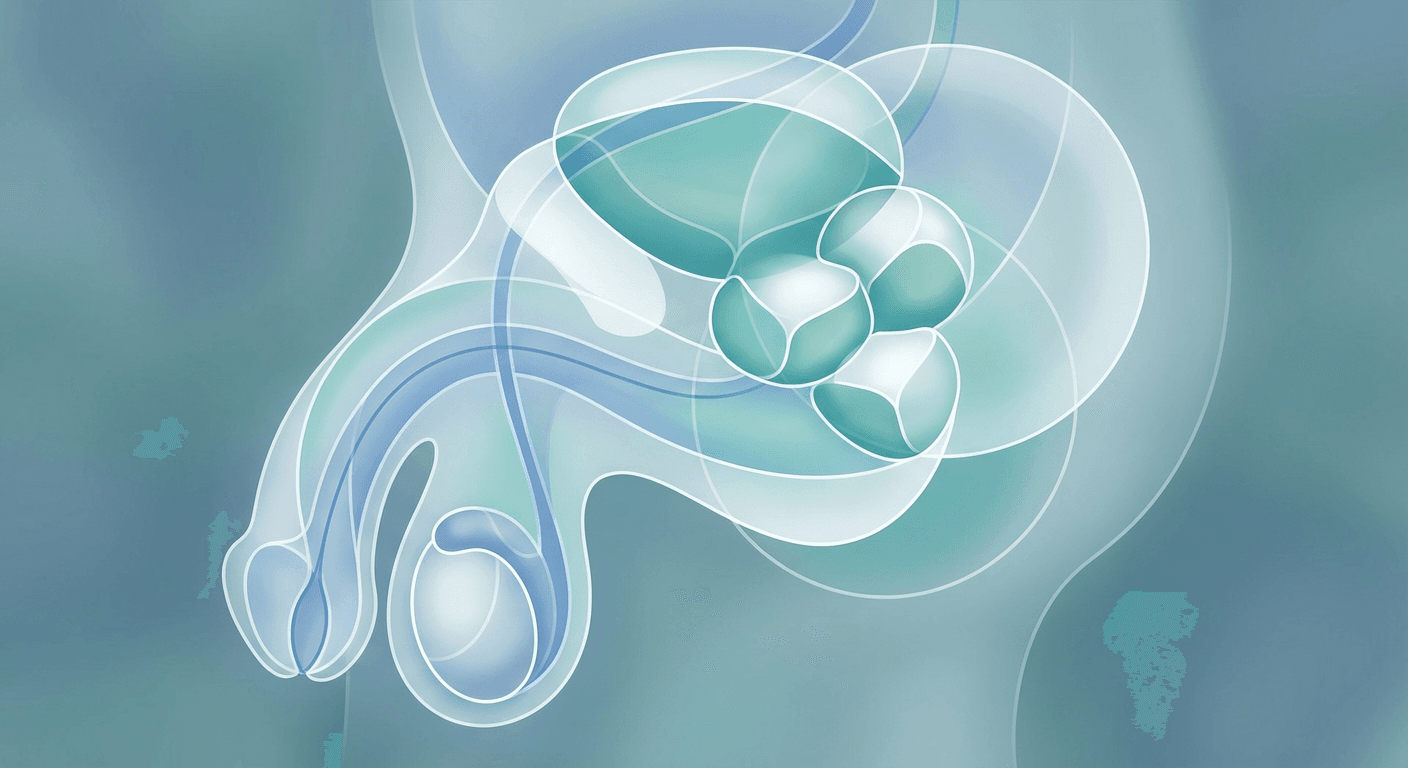
No high-quality evidence shows that eating nuts increases testicular cancer risk; diet overall is not considered a driver of this cancer. Established risk factors include an undescended testicle (cryptorchidism), prior testicular cancer, and family history. Including nuts as part of a balanced diet is reasonable for overall health.
No high‑quality evidence shows that eating nuts increases the risk of testicular cancer, and major medical references do not list nuts or overall diet as established risk factors for this disease. Known risk factors include an undescended testicle (cryptorchidism), prior testicular cancer, and family history, rather than specific foods. [1] [2] [3] [4]
What we know about testicular cancer risk
- Established risks: Having an undescended testicle, a personal history of testicular cancer, and a family history are consistently linked to higher risk. [1] [2]
- Other possible risks: Certain occupational or environmental exposures (for example, some pesticides and chemical exposures) have been explored, but findings are mixed and not definitive. [5] [6]
- Diet overall: Reviews of adolescent and adult risk factors suggest that general “diet” has not been shown to raise testicular cancer risk. Dietary factors are considered unlikely to increase risk based on available data. [6]
Nuts specifically: what the research shows
- No link to testicular cancer found: There are no population studies identifying nut consumption as a cause or contributor to testicular cancer. Comprehensive reviews that evaluated adult risk factors characterize diet as unlikely to increase risk, and they do not single out nuts as a concern. [6]
- Potential health benefits: Nuts are widely associated with heart‑healthy fats and other benefits (for example, improved cardiovascular health), without evidence of increasing male cancer risk. [7]
How to think about diet and prevention
- While there isn’t evidence that any specific food prevents testicular cancer, general cancer‑prevention advice emphasizes a balanced eating pattern rich in plant foods. Patterns like the Mediterranean‑style diet which includes fruits, vegetables, whole grains, legumes, and nuts are encouraged for overall health and cancer prevention more broadly. [8]
- For testicular cancer specifically, regular self‑awareness of testicular changes and prompt evaluation of any lump, swelling, or pain are more relevant than dietary restrictions. [9]
Quick reference: established vs. unproven risks
| Category | Factors | Evidence status |
|---|---|---|
| Established risk factors | Undescended testicle (cryptorchidism), prior testicular cancer, family history | Strong, consistently reported in major medical sources [1] [2] [3] [4] |
| Environmental/occupational | Certain pesticides or industrial chemicals (organochlorines), selected jobs (e.g., firefighting, aircraft maintenance) | Mixed/limited evidence; associations remain under study [5] [6] |
| Diet and foods (including nuts) | General diet patterns, specific foods like nuts | Not shown to increase risk; diet considered unlikely to increase testicular cancer risk [6] |
| Healthy lifestyle patterns | Plant‑forward diets that include nuts for general cancer prevention and heart health | Supported for overall health; not specific to testicular cancer prevention [8] [7] |
Bottom line
- Nuts do not appear to increase testicular cancer risk based on current evidence, and diet overall is not considered a driver of this cancer. [6]
- Focus on known risks (history of undescended testicle, family or personal history) and on early detection through awareness of testicular changes. [1] [2] [3] [4]
- Including nuts as part of a balanced diet is reasonable for general health and is not contraindicated for testicular cancer risk. [8] [7]
Related Questions
Related Articles

Sources
- 1.^abcdTesticular cancer - Symptoms and causes(mayoclinic.org)
- 2.^abcdSymptoms and causes - Mayo Clinic(mayoclinic.org)
- 3.^abcTesticular Cancer(medlineplus.gov)
- 4.^abcTesticular cancer: MedlinePlus Medical Encyclopedia(medlineplus.gov)
- 5.^abEnvironmental toxicology of testicular cancer.(pubmed.ncbi.nlm.nih.gov)
- 6.^abcdefAdolescent and adult risk factors for testicular cancer.(pubmed.ncbi.nlm.nih.gov)
- 7.^abcNuts and health outcomes: new epidemiologic evidence.(pubmed.ncbi.nlm.nih.gov)
- 8.^abc7 healthy habits that can lower your risk of cancer(mayoclinic.org)
- 9.^↑Testicular Cancer(medlineplus.gov)
Important Notice: This information is provided for educational purposes only and is not intended to replace professional medical advice, diagnosis, or treatment. Always consult with a qualified healthcare provider before making any medical decisions.