
 Persly Medical Team
Based on PubMed | Does eating more fruit reduce the risk of testicular cancer?
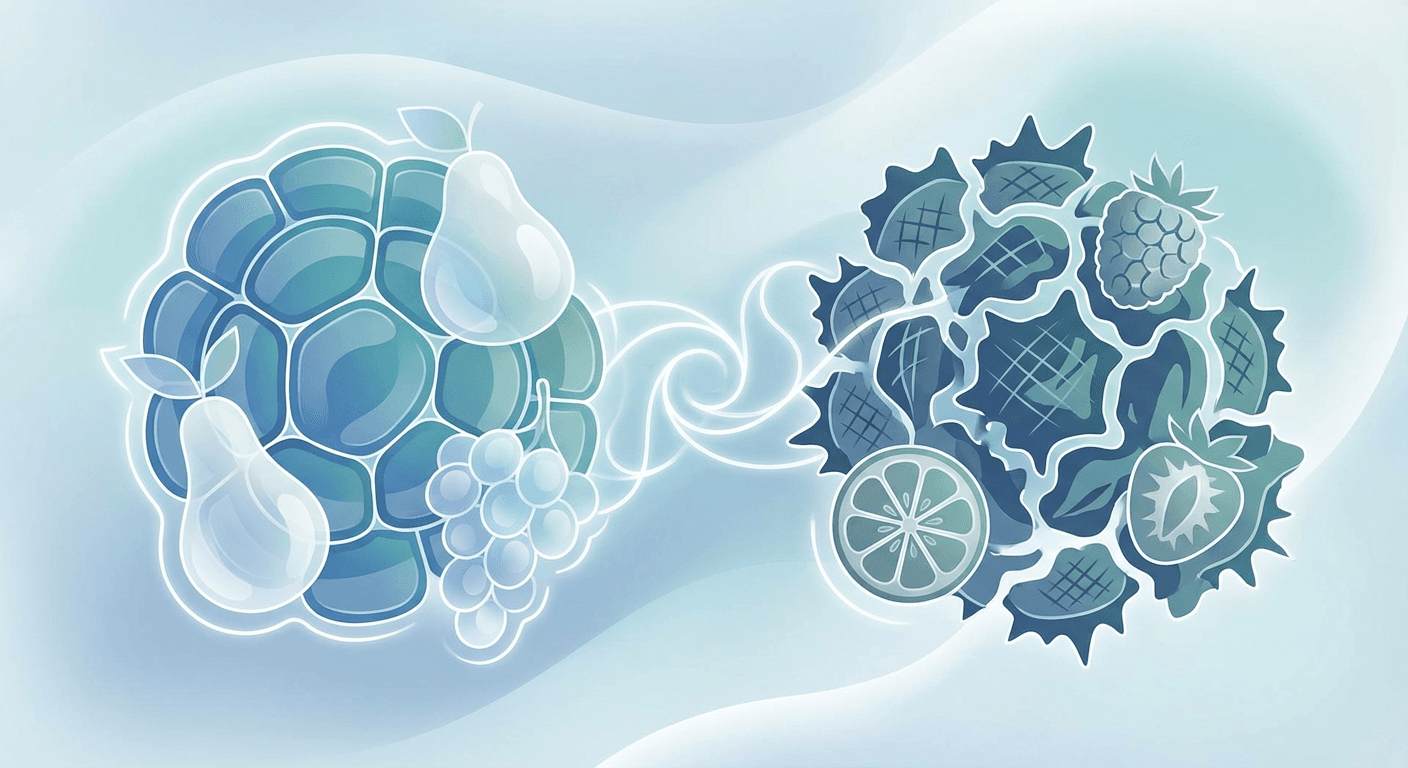
There’s no good evidence that eating more fruit reduces the risk of testicular cancer. Established risks include undescended testicle, family or personal history, and certain genetic factors. Fruit and vegetables remain beneficial for overall health and may modestly lower risk for some other cancers.
Eating more fruit has many health benefits, but it has not been shown to specifically reduce the risk of testicular cancer. Current expert guidance lists undescended testicle (cryptorchidism), family history, personal history of testicular cancer, and certain genetic factors as the main known risks dietary habits like fruit intake are not recognized risk factors for testicular cancer. [1] [2] Some cancer‑prevention advice encourages a diet rich in fruits and vegetables for general cancer and chronic disease prevention, but this is a broad recommendation and not specific to testicular cancer. [3] [4]
What we know about testicular cancer risk
- Established risk factors: Having an undescended testicle, a previous testicular cancer, family history, and being White are among the best‑supported risks. [1] [2]
- Lifestyle links: Major clinical centers note that testicular cancer is not clearly linked to habits or lifestyle factors, which would include typical diet patterns. [5]
Fruit intake and overall cancer risk
Large population studies show that eating fruits and vegetables is linked to at most a small reduction in overall cancer risk, with effects that vary by cancer type and are often modest. In big European and U.S. cohorts, higher fruit and vegetable intake showed either very small inverse associations with overall cancer or no clear association after adjusting for smoking and other factors. [6] [7] These findings support fruit intake for general health but do not demonstrate a meaningful, specific benefit for testicular cancer. [6] [8]
Why fruit still matters for health
Even if fruit has not been shown to prevent testicular cancer specifically, a diet rich in fruits and vegetables supports heart health, helps maintain a healthy weight, and is linked to lower risk of several cancers of the mouth, throat, esophagus, lung (mostly in smokers), and some digestive organs. [8] Trusted health organizations recommend focusing on fruits, vegetables, whole grains, and beans as part of healthy living. [3] [4]
Quick facts at a glance
| Topic | What the evidence suggests | Takeaway |
|---|---|---|
| Fruit and testicular cancer | No established protective effect | No clear link that fruit lowers testicular cancer risk. [1] [2] [5] |
| Fruit/veg and overall cancer | Very small to no reduction in overall cancer risk in large cohorts | Good for general health; cancer protection is modest and varies by cancer site. [6] [7] [8] |
| Key testicular cancer risks | Undescended testicle, family/personal history, certain genetics, White race | These matter more than diet for testicular cancer risk. [1] [2] |
| General prevention habits | Healthy diet, physical activity, avoid tobacco, limit alcohol, sun safety | Broad cancer‑prevention advice benefits overall health. [3] [4] |
Practical guidance
- Eat fruit as part of a balanced diet for overall wellness and possible small reductions in risk for some cancers, while recognizing that this is not proven for testicular cancer. [3] [6]
- Know your personal risk: If you had an undescended testicle, a prior testicular cancer, or a family history, your risk may be higher and regular check‑ins with a clinician are reasonable. [1] [2]
- Be aware of symptoms: A painless testicular lump or swelling, a change in how a testicle feels, dull ache in the groin or lower abdomen, or sudden fluid buildup in the scrotum should prompt medical evaluation. [2]
- Healthy lifestyle still helps: Maintaining a healthy weight, staying active, limiting alcohol, and not smoking are broadly recommended for cancer prevention and overall health. [3] [4]
Bottom line
There isn’t good evidence that eating more fruit reduces testicular cancer risk. Fruit and vegetables remain important for general health and may contribute to small reductions in risk for some cancers, but testicular cancer has different, largely non‑diet risk factors. [6] [1] [2] If you have concerns about your personal risk or notice any testicular changes, it’s wise to speak with a healthcare professional. [2]
Related Questions
Related Articles

Sources
- 1.^abcdefTesticular cancer - Symptoms and causes(mayoclinic.org)
- 2.^abcdefghTesticular Cancer(medlineplus.gov)
- 3.^abcde7 healthy habits that can lower your risk of cancer(mayoclinic.org)
- 4.^abcdCancer prevention: 7 tips to reduce your risk(mayoclinic.org)
- 5.^abTesticular Cancer (Germ Cell Tumors)(mskcc.org)
- 6.^abcdeFruit and vegetable intake and overall cancer risk in the European Prospective Investigation into Cancer and Nutrition (EPIC).(pubmed.ncbi.nlm.nih.gov)
- 7.^abFruit and vegetable intake and risk of cancer: a prospective cohort study.(pubmed.ncbi.nlm.nih.gov)
- 8.^abcFruit, vegetable, and fiber intake in relation to cancer risk: findings from the European Prospective Investigation into Cancer and Nutrition (EPIC).(pubmed.ncbi.nlm.nih.gov)
Important Notice: This information is provided for educational purposes only and is not intended to replace professional medical advice, diagnosis, or treatment. Always consult with a qualified healthcare provider before making any medical decisions.