
 Persly Medical Team
Based on PubMed | Does eating garlic reduce the risk of testicular cancer?
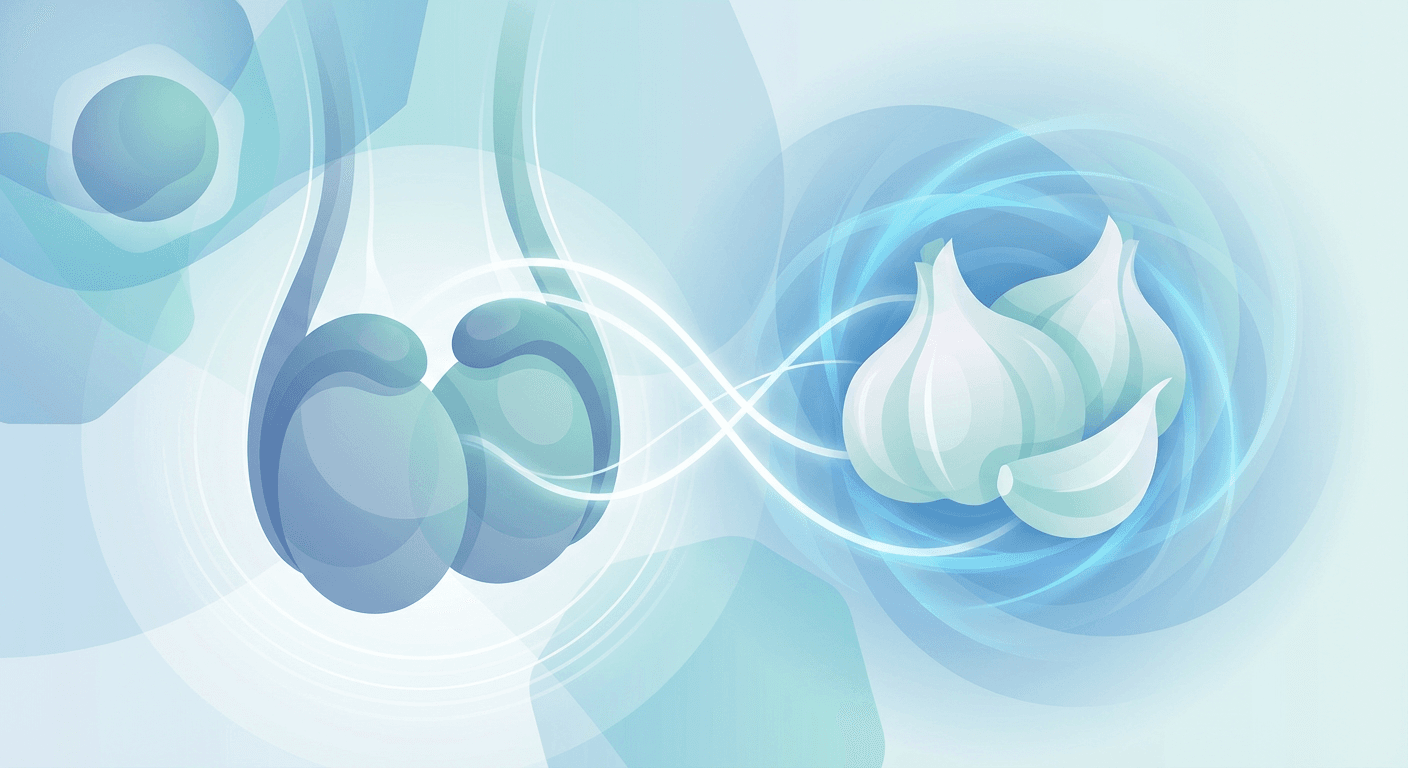
Garlic has not been shown to reduce the risk of testicular cancer. Human evidence on garlic’s cancer-preventive effects is limited and mixed, mainly for gastrointestinal cancers, and does not support a benefit for testicular cancer. Garlic supplements can increase bleeding risk; focus on testicular self-awareness and prompt medical evaluation of changes.
Eating garlic has not been shown to reduce the risk of testicular cancer. While garlic and other Allium vegetables (like onions and leeks) have been studied for possible cancer‑preventive effects, the available human evidence relates mostly to gastrointestinal cancers (such as stomach and colorectal), and even there findings are mixed, not definitive. [1] [2]
What the evidence shows
- Limited human studies link higher intake of garlic/onions with lower risk for some cancers, mainly in the digestive tract, but results are inconsistent and not proven by clinical trials. [2] [3]
- Trusted clinical resources note mixed evidence for cancer prevention with garlic, especially for gastric and colorectal cancers, and do not identify a proven benefit for testicular cancer. [1] [4]
- Mechanistic lab and animal studies suggest garlic’s sulfur compounds (for example, diallyl disulfide and diallyl trisulfide) can affect cancer pathways like carcinogen metabolism, oxidative stress, cell cycle control, apoptosis, and angiogenesis; however, these findings do not establish real‑world protection against testicular cancer in people. [5] [6]
Testicular cancer risk factors
Known or likely risk factors for testicular cancer include undescended testis (cryptorchidism), certain abnormalities in testicular development, family or personal history of testicular cancer, and some infections or exposures; diet (including garlic) is not recognized as a proven factor that lowers risk. [7] [8]
Practical takeaways
- It’s reasonable to include garlic as part of a balanced diet for overall health, but there is no reliable clinical evidence that garlic lowers testicular cancer risk. [1] [4]
- If you’re considering garlic supplements, be cautious: garlic can affect bleeding risk (it decreases platelet aggregation and may raise INR), and it is often advised to stop supplements at least a week before surgery. [9] [10]
- The best‑supported steps for testicular cancer awareness are regular self‑awareness of testicular changes and prompt evaluation of any new lump, swelling, heaviness, or pain by a clinician; no supplement has been proven to replace these measures. [7]
Bottom line
Based on current evidence, garlic should not be relied on to prevent testicular cancer; any potential anti‑cancer effects observed in laboratory settings have not been confirmed for testicular cancer in human studies. [2] [1]
Related Questions
Related Articles

Sources
- 1.^abcdGarlic(mskcc.org)
- 2.^abcGarlic and onions: their cancer prevention properties.(pubmed.ncbi.nlm.nih.gov)
- 3.^↑Can Allium vegetables prevent cancer?(pubmed.ncbi.nlm.nih.gov)
- 4.^abGarlic(mskcc.org)
- 5.^↑Chemopreventive functions and molecular mechanisms of garlic organosulfur compounds.(pubmed.ncbi.nlm.nih.gov)
- 6.^↑Molecular mechanisms for the anti-cancer effects of diallyl disulfide.(pubmed.ncbi.nlm.nih.gov)
- 7.^abTesticular cancer - Symptoms and causes(mayoclinic.org)
- 8.^↑Testicular cancer: MedlinePlus Medical Encyclopedia(medlineplus.gov)
- 9.^↑Garlic(mskcc.org)
- 10.^↑Garlic(mskcc.org)
Important Notice: This information is provided for educational purposes only and is not intended to replace professional medical advice, diagnosis, or treatment. Always consult with a qualified healthcare provider before making any medical decisions.