
 Persly Medical Team
Based on PubMed | Is it true that drinking coffee increases the risk of osteoporosis?
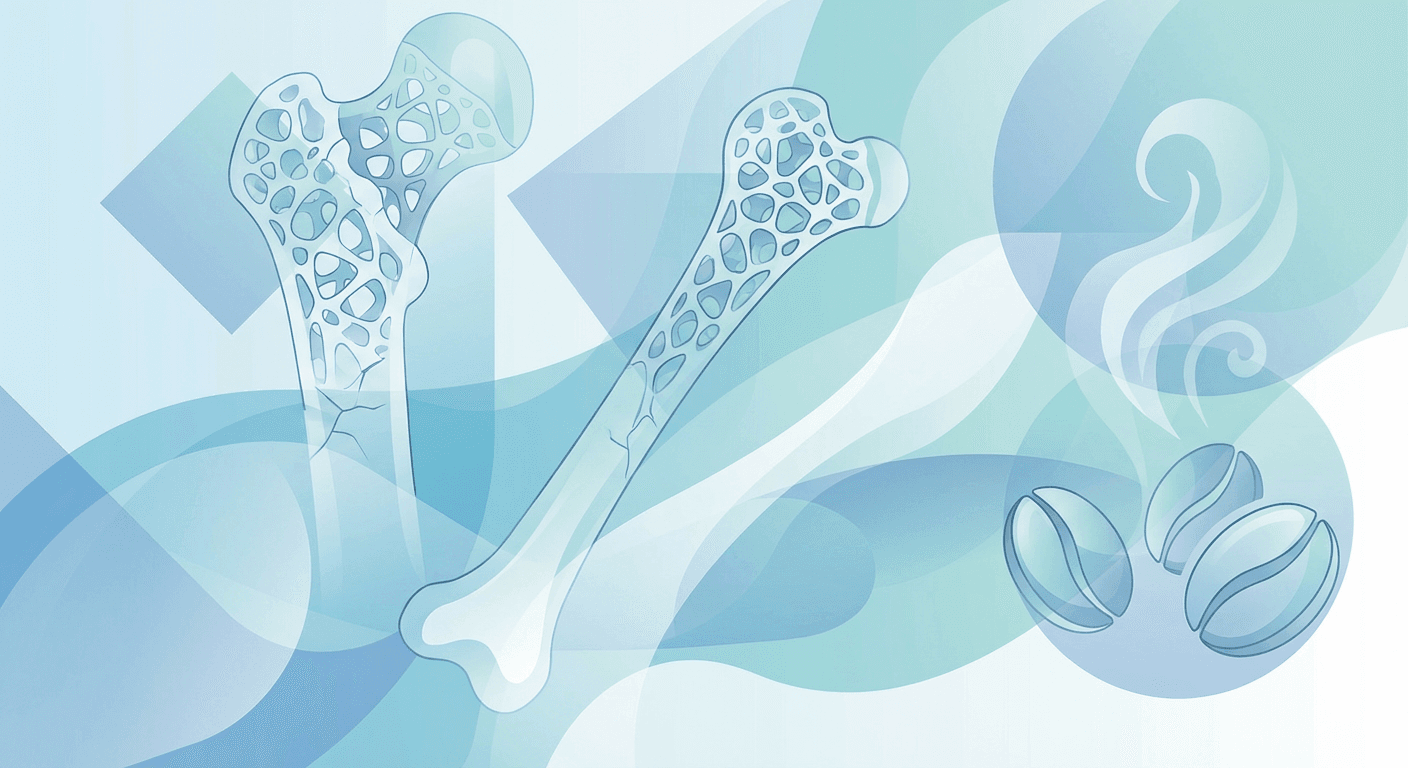
Moderate coffee intake (about 1–3 cups/day) is unlikely to increase osteoporosis or fracture risk for most people. Very high consumption may slightly lower bone density and could raise fracture risk in some women, especially if calcium and vitamin D intake is inadequate.
Drinking coffee in moderation does not appear to significantly raise osteoporosis or fracture risk for most people, though very high intakes may slightly lower bone density in some women and could be linked to a small increase in fracture risk at the highest consumption levels. Overall, the evidence suggests that 1–3 cups per day is unlikely to harm bone health, especially if calcium and vitamin D needs are met. [1] [2]
What the research shows
- Large, long-term data in women found that even ≥4 cups/day was associated with only a small (about 2–4%) reduction in bone mineral density and did not translate into a higher rate of fractures. In that cohort, each additional ~200 mL of coffee was not linked to higher fracture risk. [1]
- A pooled analysis of multiple studies reported that, at the highest coffee intakes, women had a modestly increased fracture risk, whereas men showed a decreased risk; risk rose with very high daily cup counts in women (e.g., around 8 cups/day). These sex differences and the dose‑response pattern suggest any risk is small and mainly at high intakes. [3]
- Consumer‑facing guidance notes that some studies link ≥5 cups/day to lower bone density in certain groups of women, and that adequate calcium intake can offset this potential issue. [2]
How caffeine may affect bones
- Caffeine can modestly increase urinary calcium loss and may slightly reduce calcium absorption, especially at higher doses. In practical terms, this means heavy caffeine use without enough calcium and vitamin D could, over time, contribute to bone loss. [4] [5]
- Clinical education resources list “too much caffeine” (often framed as >3 cups of coffee/day) among lifestyle factors that can undermine bone health, alongside high sodium, excess alcohol, and smoking. This is precautionary and aimed at total caffeine load from all sources. [6]
Practical guidance for bone‑safe coffee habits
- Moderation matters: Most evidence supports that up to about 3 cups of coffee per day is unlikely to harm bone health for most adults. Concerns increase primarily with higher intakes (≥4–5 cups/day), particularly in women with low calcium intake. [6] [2]
- Meet your calcium needs: Ensuring adequate calcium intake helps counter caffeine’s small impact on calcium balance. In studies, higher calcium intake attenuated caffeine‑related bone effects. [2]
- Don’t forget vitamin D: Vitamin D supports calcium absorption; routine sun exposure and dietary sources or supplements may be needed if levels are low. This is a cornerstone of bone health regardless of coffee intake. [5]
Recommended daily targets
- Calcium: Many adults need roughly 1000–1200 mg/day from food and/or supplements, depending on age and sex. Hitting this target is especially important if you regularly drink coffee. [5]
- Vitamin D: Typical dietary/supplement goals vary by region and lab status, but adequate vitamin D is critical for absorption of calcium. Sun exposure and vitamin D‑rich foods or fortified products can help. [5]
Who should be more cautious
- Postmenopausal women with low calcium intake or existing low bone density may be more vulnerable to the small bone effects of high caffeine. Keeping coffee to moderate amounts and prioritizing calcium/vitamin D is advisable. [1] [3]
- People with additional bone risk factors (e.g., smoking, high sodium diets, heavy alcohol use, sedentary lifestyle) should address those factors first, as they have clearer links to bone loss than moderate coffee intake. Too much caffeine is typically one of several lifestyle risks to manage together. [6] [5]
Quick reference table
| Topic | What the evidence suggests | Practical takeaways |
|---|---|---|
| Moderate coffee (≈1–3 cups/day) | Not linked to higher fracture risk; minimal impact on bone density | Generally safe for bones if calcium and vitamin D needs are met |
| High coffee (≥4–5 cups/day) | Small BMD reduction in women; mixed fracture data possible small increase in women at very high intakes | Consider cutting back and ensure adequate calcium/vitamin D |
| Calcium intake | Offsets small caffeine effects on calcium balance | Aim for ~1000–1200 mg/day from food/supplements |
| Vitamin D | Essential for calcium absorption and bone health | Ensure adequate vitamin D via diet, sun, or supplements |
Sources: large cohort and meta‑analysis findings in women and mixed‑sex populations, plus clinical education guidance on caffeine and bone health. [1] [3] [6] [2] [5] [4]
Bottom line
Coffee itself is not a proven cause of osteoporosis. Moderate intake is generally compatible with healthy bones, especially when you get enough calcium and vitamin D and maintain bone‑healthy habits like regular weight‑bearing exercise, avoiding smoking, and limiting alcohol. Very high coffee consumption particularly in women with low calcium intake may carry a small risk, so keeping coffee to moderate levels and meeting daily calcium/vitamin D needs is a sensible approach. [1] [3] [6] [2] [5]
Related Questions
Related Articles

Sources
- 1.^abcdeLong-term coffee consumption in relation to fracture risk and bone mineral density in women.(pubmed.ncbi.nlm.nih.gov)
- 2.^abcdefThe surprising health benefits of coffee(mayoclinic.org)
- 3.^abcdCoffee consumption and risk of fractures: a systematic review and dose-response meta-analysis.(pubmed.ncbi.nlm.nih.gov)
- 4.^abCaffeine in the diet: MedlinePlus Medical Encyclopedia(medlineplus.gov)
- 5.^abcdefg골다공증의 식사요법 Osteoporosis | 건강정보(health.severance.healthcare)
- 6.^abcdeOsteoporosis, Osteopenia, and How to Improve Your Bone Health(mskcc.org)
Important Notice: This information is provided for educational purposes only and is not intended to replace professional medical advice, diagnosis, or treatment. Always consult with a qualified healthcare provider before making any medical decisions.