
 Persly Medical Team
Based on NIH | Do nuts, such as almonds and walnuts, help prevent osteoporosis or improve bone density?
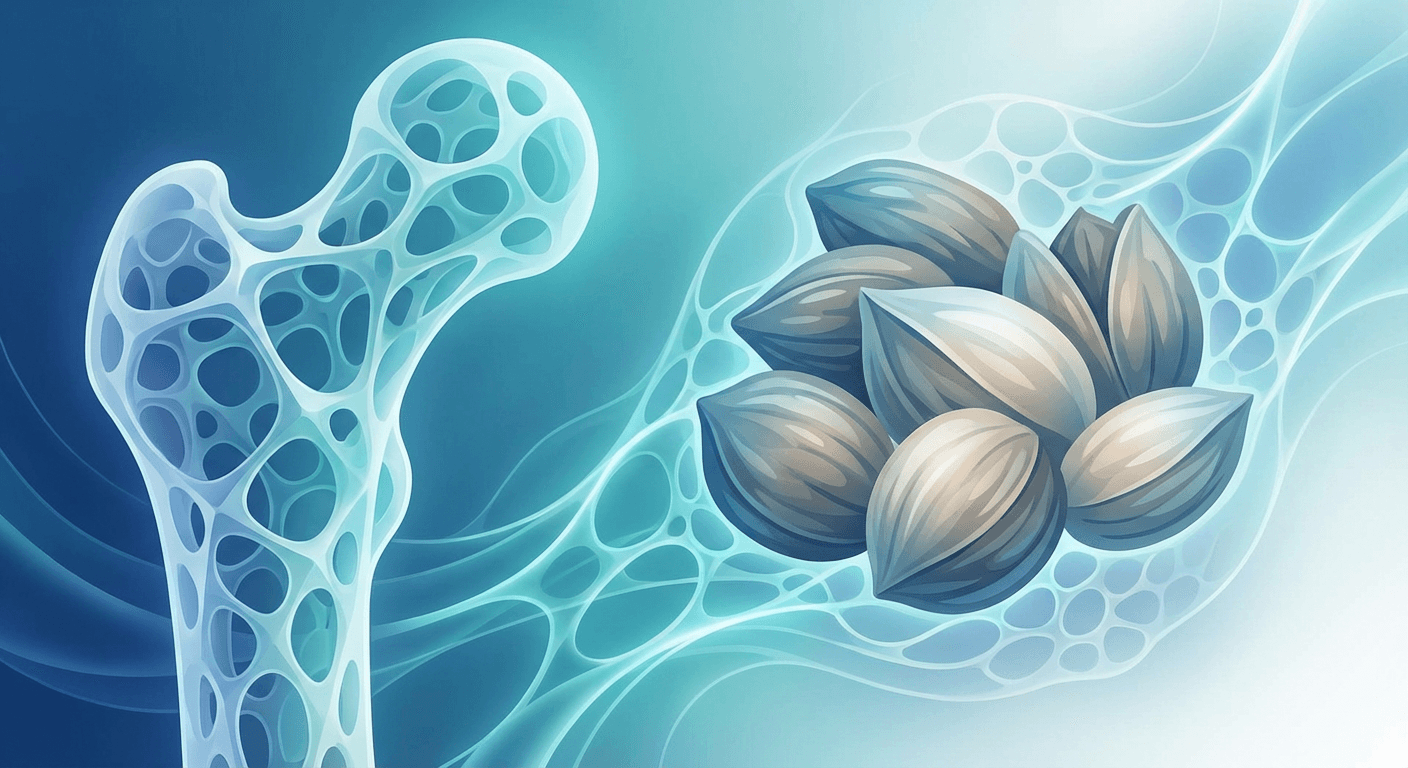
Nuts like almonds and walnuts provide magnesium, potassium, and vitamin E that support a bone-healthy diet, but they are unlikely to prevent osteoporosis or significantly increase bone density on their own. The strongest evidence focuses on getting enough calcium and vitamin D, doing weight-bearing exercise, and avoiding smoking and excess alcohol.
Eating nuts like almonds and walnuts can be part of a bone‑healthy diet, but on their own they are unlikely to prevent osteoporosis or measurably increase bone density. Nuts provide helpful nutrients (such as magnesium, potassium, and vitamin E) and can support an overall dietary pattern that benefits bones, yet the strongest evidence for preventing bone loss still centers on getting enough calcium and vitamin D, doing weight‑bearing exercise, and avoiding smoking and excess alcohol. [1] [2] [3]
What the evidence shows
- Population and clinical guidance consistently emphasize calcium and vitamin D as the cornerstones for bone health and osteoporosis prevention. Adults generally need about 1,000–1,200 mg calcium per day (higher needs in older adults) and adequate vitamin D to absorb calcium. [1] [2]
- Authoritative patient education resources list nuts as part of a bone‑friendly eating pattern because they contribute minerals and overall diet quality, but not as a primary calcium source. Dietary patterns that include nuts, dairy or fortified alternatives, leafy greens, and other calcium‑rich foods are recommended to help keep bones strong. [4] [5]
Nuts’ role in a bone‑healthy diet
- Nutrient contribution: Almonds and other tree nuts provide magnesium and potassium, which support bone mineralization and help neutralize dietary acid loads, plus vitamin E and plant compounds with anti‑inflammatory and antioxidant properties. While these nutrients support bone metabolism, nuts are modest in calcium compared with dairy or fortified foods. [3] [6]
- Diet quality: In national dietary data, regular tree‑nut consumers had higher intakes of several “shortfall” nutrients, including calcium, magnesium, potassium, fiber, and vitamin E, and overall better diet quality. This suggests nuts can improve the nutrient profile of your diet in ways that may indirectly support bones. [7]
Research on nuts and bone outcomes
- Randomized trial data specifically testing nuts for bone markers are limited and mixed. In an elderly cohort comparing diets, a Mediterranean diet supplemented with mixed nuts did not show clear benefits on bone turnover markers versus control or olive oil groups, and parathyroid hormone was higher in the nuts group. [8]
- Observational work on Mediterranean dietary patterns reports associations between higher adherence and better bone measures in women, with some signals that nut intake correlated with bone mineral density in postmenopausal women; however, this is association, not proof of cause and effect. [9]
- Omega‑3 fatty acids (abundant in walnuts) have been studied for bone health; a systematic review of randomized trials found inconsistent results and no fracture data, with possible benefits more apparent when omega‑3s were paired with calcium. [10]
Overall, current evidence suggests nuts can contribute positively to a bone‑supportive diet, but there is not strong proof that nuts alone prevent osteoporosis or increase bone density.
Practical guidance: how to include nuts
- Portion and frequency: A small handful (about 28–30 g or ~1/4 cup) of unsalted almonds or walnuts most days can help boost magnesium, potassium, and healthy fats without excessive calories. [7]
- Pair with calcium and vitamin D: Focus on hitting daily calcium targets with dairy, calcium‑fortified plant milks/tofu, canned salmon or sardines with bones, and leafy greens, while ensuring vitamin D intake (from sunlight, fortified foods, or supplements as advised). [1] [2] [3]
- Whole‑diet approach: Combine nuts with fruits, vegetables, legumes/soy, and whole grains within an overall healthy pattern (e.g., a Mediterranean‑style diet), along with regular weight‑bearing and muscle‑strengthening exercise. [1] [2]
- Lifestyle essentials: Avoid smoking and limit alcohol to protect bone health. [11] [5]
Daily targets and food sources
Below is a quick reference for key nutrients and where nuts fit.
| Nutrient | Why it matters for bones | Recommended intake (typical adults) | Strong food sources | Contribution from nuts |
|---|---|---|---|---|
| Calcium | Main mineral in bone; shortfall leads to bone loss | ~1,000 mg/day (ages 19–50 and men 51–70); 1,200 mg/day (women ≥51, men ≥71) | Dairy, calcium‑fortified plant milks/tofu, canned salmon/sardines with bones, leafy greens | Nuts provide some calcium but far less than dairy/fortified foods; useful as a supplement to other sources |
| Vitamin D | Enables calcium absorption | Intake needs vary; discuss testing/supplementation | Sunlight, fortified milk/alternatives, supplements | Nuts are not a meaningful vitamin D source |
| Magnesium & Potassium | Support bone mineralization and acid‑base balance | No formal bone‑specific targets; follow RDA for age/sex | Legumes, whole grains, fruits/vegetables, nuts/seeds | Almonds and other nuts are good sources |
| Protein | Supports bone and muscle | Adequate intake individualized | Lean meats, dairy, legumes, soy, nuts/seeds | Nuts add plant protein and healthy fats |
Bottom line
- Nuts such as almonds and walnuts are a smart, nutrient‑dense addition to diets aimed at protecting bones. They can improve overall diet quality and deliver bone‑supportive minerals, but they should complement not replace reliable calcium and vitamin D sources. [1] [2] [3] [7]
- At this time, there is no strong clinical evidence that nuts alone prevent osteoporosis or directly increase bone density, though they fit well into a bone‑healthy lifestyle that includes adequate calcium/vitamin D, exercise, and avoidance of smoking and excess alcohol. [8] [10] [11] [5]
Related Questions
Related Articles


Sources
- 1.^abcdefgHow to keep your bones healthy(mayoclinic.org)
- 2.^abcdefgBone health: Tips to keep your bones healthy(mayoclinic.org)
- 3.^abcdefgCalcium in diet: MedlinePlus Medical Encyclopedia(medlineplus.gov)
- 4.^↑Lifestyle Changes for Osteoporosis & Low Bone Mass(nyulangone.org)
- 5.^abcdOsteoporosis(medlineplus.gov)
- 6.^abCalcium, vitamin D, and your bones: MedlinePlus Medical Encyclopedia(medlineplus.gov)
- 7.^abcdTree nut consumption improves nutrient intake and diet quality in US adults: an analysis of National Health and Nutrition Examination Survey (NHANES) 1999-2004.(pubmed.ncbi.nlm.nih.gov)
- 8.^abMediterranean diet and high dietary acid load associated with mixed nuts: effect on bone metabolism in elderly subjects.(pubmed.ncbi.nlm.nih.gov)
- 9.^↑Mediterranean diet and bone mineral density in two age groups of women.(pubmed.ncbi.nlm.nih.gov)
- 10.^abA systematic review of omega-3 fatty acids and osteoporosis.(pubmed.ncbi.nlm.nih.gov)
- 11.^abOsteoporosis(medlineplus.gov)
Important Notice: This information is provided for educational purposes only and is not intended to replace professional medical advice, diagnosis, or treatment. Always consult with a qualified healthcare provider before making any medical decisions.