
 Persly Medical Team
Based on PubMed | Does eating whole-grain bread increase the risk of osteoporosis by reducing calcium absorption?
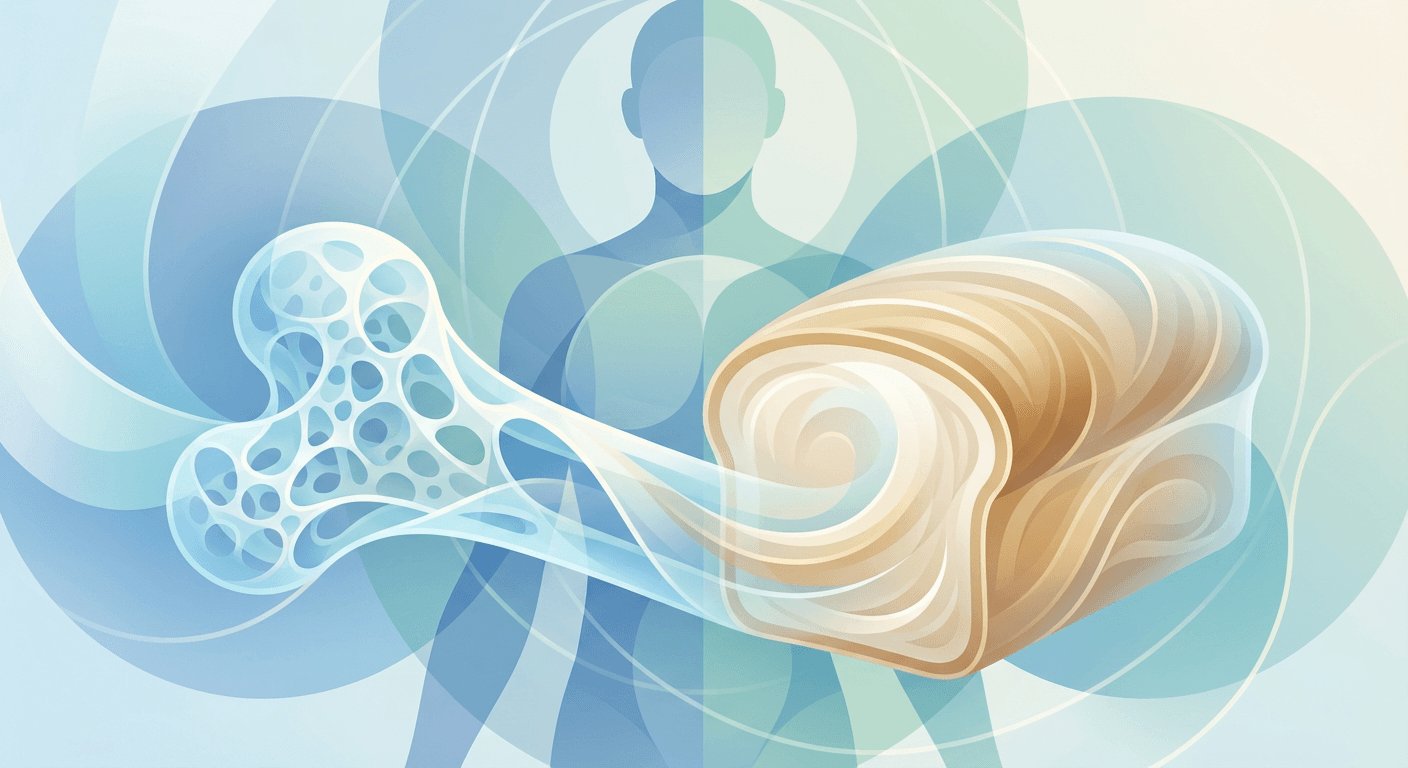
Whole-grain bread is unlikely to increase osteoporosis risk. While phytate and certain fibers can modestly reduce calcium absorption within a meal, overall bone health depends more on meeting daily calcium and vitamin D needs and maintaining healthy lifestyle habits.
Eating whole‑grain bread does not appear to increase osteoporosis risk for most people, and it is unlikely to meaningfully reduce your body’s overall calcium status when eaten as part of a balanced diet. Whole grains contain compounds like phytate and certain fibers that can bind minerals, which can modestly lower calcium absorption from a specific meal, but overall bone health depends on total calcium/vitamin D intake, varied diet, and lifestyle factors such as physical activity and sunlight exposure. [1] [2]
Key takeaways
- Whole grains have many proven health benefits and are recommended as part of a healthy diet. They are not considered a risk factor for osteoporosis when calcium and vitamin D needs are met. [3]
- Some fibers (for example, wheat bran) and oxalates (in foods like spinach) can reduce calcium absorption from a meal. This effect is meal‑specific and usually small in the context of an overall adequate diet. [1] [2]
- If you struggle to meet calcium needs through food, supplements can be considered, but benefits vs risks should be individualized. Vitamin D is also essential for calcium absorption. [4]
What the research shows on whole grains and calcium absorption
- Meal‑level effects: In controlled human studies, calcium absorption from whole‑wheat bread itself was high compared with milk, and when bread was eaten with milk, calcium absorption from the combined meal decreased slightly but remained substantial. This suggests that while wheat components can influence absorption within a meal, the impact is limited and does not eliminate calcium uptake. [5]
- Wheat bran vs whole‑grain bread: Highly processed wheat bran cereals showed lower calcium absorption than milk, and co‑consumption reduced milk calcium absorption more than bread did. Fermentation (as in leavened bread) can degrade phytate and may lessen mineral‑binding effects compared with unfermented bran products. [5]
Do whole grains raise osteoporosis risk?
Population and clinical data do not support the idea that eating whole grains increases osteoporosis risk when dietary calcium and vitamin D are adequate. In fact, observational work has linked higher phytate exposure (a marker of whole‑grain/legume intake) with higher bone mineral density in postmenopausal women, suggesting a potential protective association, though this kind of evidence cannot prove cause and effect. [6] [7]
More broadly, standard nutrition guidance encourages making at least half of grain choices whole grains for cardiometabolic and overall health benefits. These recommendations coexist with guidance to meet age‑appropriate calcium and vitamin D targets to support bone health. [3] [4]
Practical tips to protect bone health while enjoying whole grains
- Aim for recommended calcium intake from foods first (dairy, calcium‑set tofu, fortified plant milks, greens, canned fish with bones). If intake is low, discuss supplements with a clinician; excessive supplemental calcium can have downsides such as kidney stones. [4]
- Ensure vitamin D sufficiency through safe sun exposure, diet, or supplements as advised. Vitamin D is necessary for the body to absorb calcium effectively. [4]
- Space out very high‑fiber or high‑oxalate foods away from your biggest calcium sources if you’re concerned about absorption (for example, don’t always pair a large wheat‑bran cereal with your only daily calcium source). This strategy minimizes meal‑level binding without sacrificing whole‑grain benefits. [1] [2]
- Keep total daily fiber in a healthy range and diversify sources (fruits, vegetables, legumes, whole grains). High‑fiber foods also contain minerals, and typical fiber intakes are safe for mineral status in balanced diets. [2]
- Maintain bone‑friendly habits: weight‑bearing exercise, avoid smoking, limit excess alcohol, and consider bone density screening if you have risk factors. These lifestyle factors have larger effects on bone than modest meal‑level variations in mineral absorption. [8]
Quick reference: Whole grains, calcium, and bones
| Topic | What’s known | Implication |
|---|---|---|
| Whole‑grain bread and calcium absorption | Leavened whole‑wheat bread shows good calcium absorption; co‑eating with milk slightly lowers absorption but not dramatically. [5] | Eating bread with calcium foods is generally fine; effects are modest. |
| Wheat bran and calcium | Bran cereals can reduce calcium absorption more than bread; co‑consumption with dairy can lower dairy calcium absorption. [5] | If using large amounts of bran, consider spacing from your main calcium source. |
| Fiber/oxalate effects | Certain fibers and oxalate‑rich foods can inhibit calcium absorption in a given meal. [1] [2] | The effect is meal‑specific; overall adequacy of calcium and vitamin D is what matters most. |
| Osteoporosis risk | Guidance supports whole grains for health; meeting calcium and vitamin D needs is emphasized for bone health. [3] [4] | Whole grains are not a recognized osteoporosis risk when calcium and vitamin D are adequate. |
| Phytate and BMD (observational) | Higher phytate exposure associated with higher bone mineral density in postmenopausal women. [6] [7] | No proven causality, but no signal that phytate from whole grains harms bone density. |
Bottom line
Whole‑grain bread is a healthy choice and, on its own, is unlikely to raise osteoporosis risk. While certain fibers and phytate can reduce calcium absorption within a single meal, maintaining adequate daily calcium and vitamin D, spreading calcium intake across meals, and following bone‑healthy lifestyle habits are far more important for your long‑term bone health. [1] [2] [4] [3]
Related Questions
Related Articles

Sources
- 1.^abcdeCalcium, vitamin D, and your bones: MedlinePlus Medical Encyclopedia(medlineplus.gov)
- 2.^abcdefFiber: MedlinePlus Medical Encyclopedia(medlineplus.gov)
- 3.^abcdWhole grains: Hearty options for a healthy diet(mayoclinic.org)
- 4.^abcdefCalcium and calcium supplements: Achieving the right balance(mayoclinic.org)
- 5.^abcdHuman calcium absorption from whole-wheat products.(pubmed.ncbi.nlm.nih.gov)
- 6.^abPhytate (myo-inositol hexaphosphate) and risk factors for osteoporosis.(pubmed.ncbi.nlm.nih.gov)
- 7.^abPhytate levels and bone parameters: a retrospective pilot clinical trial.(pubmed.ncbi.nlm.nih.gov)
- 8.^↑Osteoporosis - Symptoms and causes(mayoclinic.org)
Important Notice: This information is provided for educational purposes only and is not intended to replace professional medical advice, diagnosis, or treatment. Always consult with a qualified healthcare provider before making any medical decisions.