
 Persly Medical Team
Based on PubMed | Does smoking increase the risk of developing hypertension?
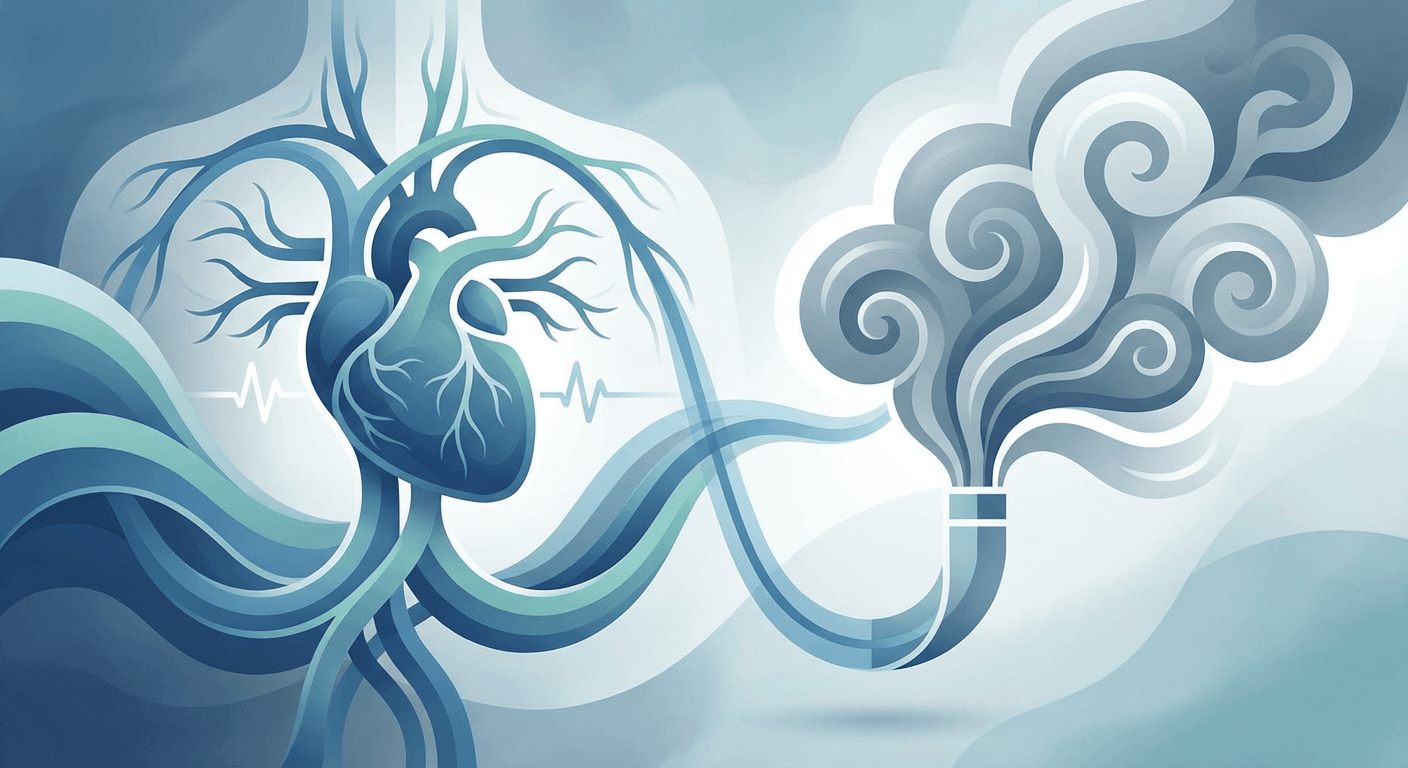
Smoking causes immediate blood pressure spikes and long-term vascular damage, which raises the risk of developing hypertension and worsens cardiovascular outcomes. Quitting smoking lowers heart rate and blood pressure and quickly reduces heart attack and stroke risk, despite potential weight gain.
Does Smoking Increase the Risk of Developing Hypertension?
In short, smoking causes an immediate rise in blood pressure with each cigarette and damages blood vessels over time, which can contribute to developing high blood pressure (hypertension) and amplifies cardiovascular risk at any blood pressure level. [1] [2] While older epidemiologic studies sometimes reported lower measured clinic blood pressure in habitual smokers, these findings do not negate the acute hypertensive effects of nicotine, nor the long‑term vascular injury from smoking that increases the likelihood of hypertension and its complications. [3] [4]
What Happens to Blood Pressure When You Smoke?
- Each cigarette stimulates the sympathetic nervous system (the “fight or flight” response), causing blood vessels to tighten (vasoconstriction) and heart rate to rise, which raises blood pressure for a short period. [2] [5]
- Nicotine specifically raises blood pressure and heart rate, adding strain on the heart and arteries. [2] [5]
- Secondhand smoke exposure can also contribute to vascular effects and cardiovascular risk. [6]
These acute spikes matter because repeated surges, day after day, contribute to cumulative arterial stress and injury. That repeated stress accelerates arterial stiffening and atherosclerosis (hardening of the arteries), both linked to higher long‑term blood pressure. [7] [3]
Long‑Term Effects: How Smoking Supports the Development of Hypertension
Even if some cross‑sectional studies showed lower office blood pressure in smokers, the overall body of evidence and modern clinical guidance recognizes multiple mechanisms by which smoking increases hypertension risk:
- Endothelial dysfunction: Smoking impairs the inner lining of blood vessels, reducing nitric oxide (a natural vasodilator), which promotes higher vascular tone and blood pressure. [4] [8]
- Oxidative stress: Increased reactive oxygen species from smoking break down nitric oxide and worsen vascular stiffness. [9] [4]
- Arterial stiffness and atherosclerosis: Chronic smoking injures vessel walls and speeds arterial hardening, a pathway closely tied to sustained hypertension. [7] [3]
- Additive cardiovascular harm: Smoking and hypertension together magnify risk for heart attack, stroke, heart failure, and peripheral artery disease beyond either factor alone. [10] [3]
Because of these mechanisms, leading health authorities advise not smoking as a core strategy to prevent high blood pressure. Guidelines consistently state that smoking raises blood pressure and increases the risk of heart attack and stroke. [1] [5]
Reconciling Conflicting Study Findings
Some earlier observational studies reported lower measured brachial (arm) blood pressures in smokers compared to nonsmokers, possibly due to differences in body weight, measurement timing relative to last cigarette, or other confounders. [11] However, those observations do not contradict the immediate hypertensive effects of nicotine, nor the vascular injury that promotes central blood pressure and target-organ damage. [3] Moreover, the clinical priority is cardiovascular outcomes, where smoking clearly increases risk at any blood pressure level and interacts adversely with hypertension. [10]
Impact of Quitting Smoking on Blood Pressure
- Near‑term benefits of quitting include a lower heart rate and lower blood pressure as the sympathetic drive from nicotine stops, along with improved blood oxygen levels. [12]
- Some long‑term cohorts noted that people who quit may gain weight, which can raise blood pressure; this weight‑related effect can be managed with lifestyle strategies and does not offset the major cardiovascular benefits of quitting. [13] [14]
- Importantly, stopping smoking rapidly reduces coronary heart disease risk compared to continued smoking, even among people with hypertension. [10]
Health systems emphasize “not smoking” as a key step to prevent high blood pressure and cardiovascular disease. Quitting smoking helps lower blood pressure and reduces the risk of heart disease and stroke. [15] [1]
Practical Takeaways
- Yes, smoking increases hypertension risk through repeated blood pressure surges and long‑term blood vessel damage. [2] [4]
- Smoking and hypertension together are particularly dangerous; quitting can quickly and substantially lower cardiovascular risk. [10]
- If weight gain occurs after quitting, focused nutrition and regular activity can help keep blood pressure in a healthy range. Even with weight changes, the cardiovascular benefits of quitting are strong and well‑documented. [13] [15]
Summary Table: Smoking and Hypertension
| Aspect | What Smoking Does | Implication for Hypertension |
|---|---|---|
| Immediate effect | Raises blood pressure via nicotine‑driven vasoconstriction and faster heart rate | Acute spikes increase vascular stress [2] [5] |
| Endothelial function | Reduces nitric oxide bioavailability; increases oxidative stress | Higher vascular tone and stiffness raise BP over time [4] [9] [8] |
| Arterial structure | Injures vessel walls; accelerates atherosclerosis | Promotes sustained hypertension and complications [7] [3] |
| Combined risk | Adds to risk at any BP level for heart attack and stroke | Greater harm when hypertension coexists with smoking [10] |
| Quitting | Lowers heart rate and blood pressure; reduces cardiovascular events | Strong net benefit; manage potential weight gain proactively [12] [13] |
Bottom Line
Smoking raises blood pressure acutely and damages blood vessels chronically, which can contribute to developing hypertension and greatly worsens cardiovascular outcomes. Not smoking is a core prevention strategy for high blood pressure, and quitting delivers rapid and meaningful heart health benefits. [2] [1] [10] [4]
Related Questions
Related Articles


Sources
- 1.^abcdPreventing High Blood Pressure(cdc.gov)
- 2.^abcdefHigh Blood Pressure Risk Factors(cdc.gov)
- 3.^abcdefCigarette smoking and hypertension.(pubmed.ncbi.nlm.nih.gov)
- 4.^abcdefSmoking and hypertension: independent or additive effects to determining vascular damage?(pubmed.ncbi.nlm.nih.gov)
- 5.^abcdHow to Prevent High Blood Pressure(medlineplus.gov)
- 6.^↑Heart Disease Risk Factors(cdc.gov)
- 7.^abcHigh blood pressure (hypertension): Controlling this common health problem-High blood pressure (hypertension) - Symptoms & causes - Mayo Clinic(mayoclinic.org)
- 8.^abNitric oxide-mediated blood flow regulation as affected by smoking and nicotine.(pubmed.ncbi.nlm.nih.gov)
- 9.^abChronic cigarette smoking causes hypertension, increased oxidative stress, impaired NO bioavailability, endothelial dysfunction, and cardiac remodeling in mice.(pubmed.ncbi.nlm.nih.gov)
- 10.^abcdefSmoking and hypertension as predictors of cardiovascular risk in population studies.(pubmed.ncbi.nlm.nih.gov)
- 11.^↑Blood pressure in smokers and nonsmokers: epidemiologic findings.(pubmed.ncbi.nlm.nih.gov)
- 12.^abQuitting Smoking(medlineplus.gov)
- 13.^abcSmoking cessation and change in diastolic blood pressure, body weight, and plasma lipids. MRFIT Research Group.(pubmed.ncbi.nlm.nih.gov)
- 14.^↑Long-term effects of cessation of smoking on body weight, blood pressure and serum cholesterol in the middle-aged population with high blood pressure.(pubmed.ncbi.nlm.nih.gov)
- 15.^ab10 ways to control high blood pressure without medication(mayoclinic.org)
Important Notice: This information is provided for educational purposes only and is not intended to replace professional medical advice, diagnosis, or treatment. Always consult with a qualified healthcare provider before making any medical decisions.