
 Persly Medical Team
Based on CDC | Is it true that eating fruit daily lowers blood pressure in people with hypertension?
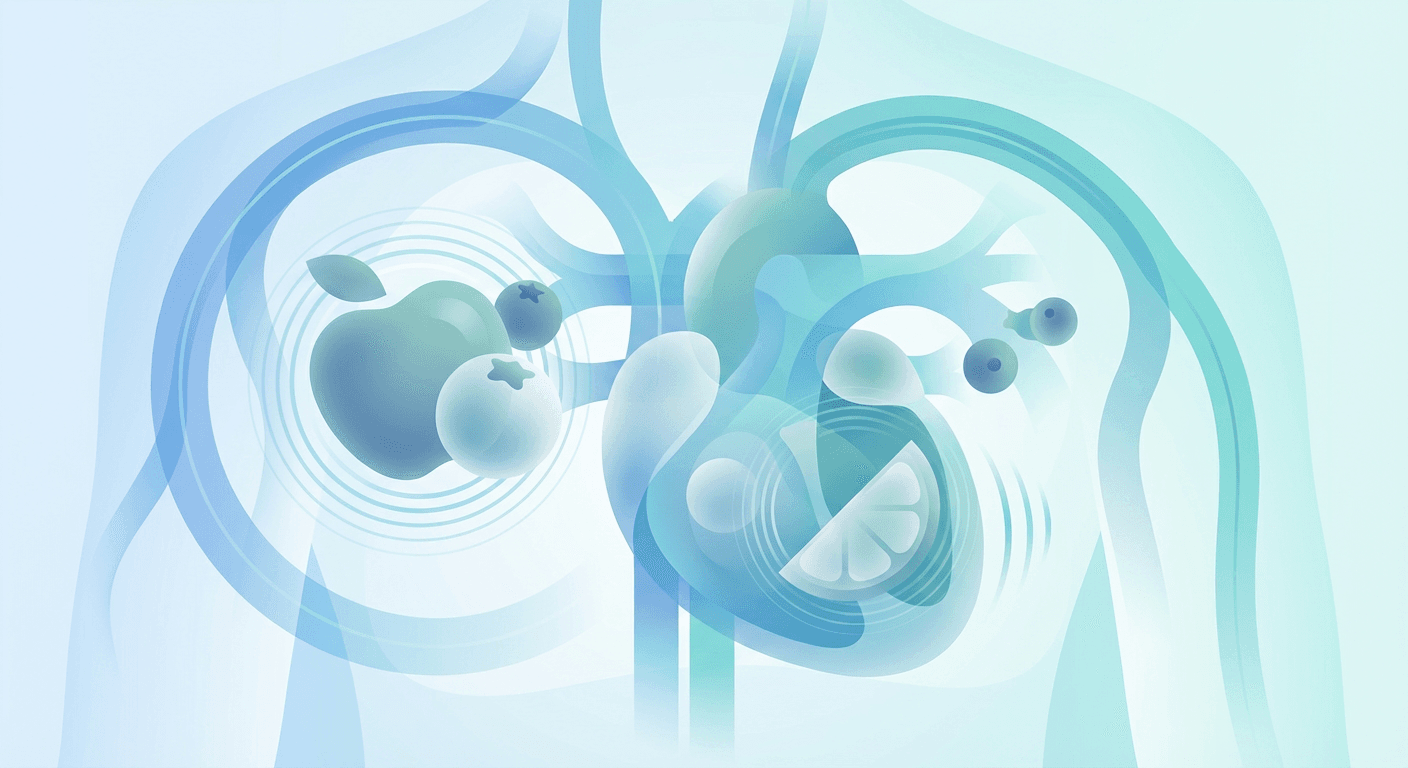
Yes regular fruit intake is associated with modest blood pressure reductions in people with hypertension, especially when part of a DASH-style diet. Whole fruits are preferred over juice, which shows only small diastolic effects. Guidelines commonly recommend 4–5 fruit servings daily alongside vegetables for best results.
Yes eating fruit regularly is associated with lower blood pressure, especially when fruit is part of a broader heart‑healthy pattern like the DASH diet, though the effect size is usually modest and varies by individual. Clinical guidance emphasizes increasing fruits and vegetables as a key lifestyle step for managing hypertension. [1] Diet patterns rich in fruits can lower systolic blood pressure by roughly up to 11 mmHg when combined with other DASH elements such as vegetables, low‑fat dairy, and reduced saturated fat and sodium. [2]
What the evidence suggests
- Guideline perspective: Major hypertension guidelines highlight lifestyle changes, including higher fruit and vegetable intake, as core management strategies for high blood pressure. [1] This reflects consistent evidence that produce‑rich diets help reduce blood pressure and cardiovascular risk. [1]
- DASH diet: The DASH eating plan recommends multiple daily servings of fruit (typically 4–5 per day in a 2,000‑calorie plan) and has been shown to meaningfully lower blood pressure. [3] Beyond fruit, the DASH pattern’s overall mix high potassium, calcium, magnesium, and fiber, plus lower sodium and saturated fat drives the blood pressure benefit. [4]
- Fruit juice vs. whole fruit: Randomized trials pooling fruit juice intake show a small average drop in diastolic blood pressure (~2 mmHg) and no clear effect on systolic pressure, suggesting that juice alone is unlikely to deliver strong blood pressure benefits. [5] Whole fruits offer fiber and slower sugar absorption, which may support better overall cardiovascular effects than juice. [5]
Why fruit can help
- Potassium: Many fruits (e.g., bananas, oranges, melons) are rich in potassium, which helps the body balance sodium and relax blood vessel walls, contributing to lower blood pressure. [4] Higher potassium intake is one of the most supported nutrient strategies for lowering blood pressure and reducing stroke risk. [6]
- Fiber and polyphenols: Fruits provide soluble and insoluble fiber and plant compounds (like flavonoids) that may improve vessel function and reduce oxidative stress. [7] These effects can complement blood pressure control alongside other healthy diet elements. [7]
How much fruit is recommended
- Practical target: A commonly recommended goal within the DASH plan is 4–5 servings of fruit per day, where one serving is one medium fruit or ½ cup of cut fruit. [3] Pairing fruit with 4–5 servings of vegetables daily amplifies the benefit and aligns with proven blood pressure‑lowering patterns. [8]
Whole fruit vs. fruit juice
- Choose whole fruit when possible: Whole fruit delivers fiber and tends to be more filling with less rapid sugar uptake. [5] If drinking juice, keep portions small (e.g., ½ cup as a serving) and aim for 100% juice, understanding the blood pressure benefit from juice alone appears limited. [5]
Real‑world programs and behavior change
- Programs that promote produce access and coaching have increased daily fruit and vegetable servings among people with hypertension, supporting feasibility in everyday life. [9] Greater produce intake in these programs aligns with guideline priorities to integrate lifestyle measures into routine blood pressure care. [10]
Quick comparison: whole fruit, juice, and overall diet
| Aspect | Whole Fruit | Fruit Juice | DASH‑style Diet (includes fruit) |
|---|---|---|---|
| BP effect (typical) | Modest reduction when part of overall healthy eating | Small diastolic drop (~2 mmHg) on average; limited systolic effect | Often larger reductions (up to ~11 mmHg in systolic) when fully implemented |
| Key nutrients | Potassium, fiber, polyphenols | Potassium, polyphenols; less or no fiber | High potassium, magnesium, calcium, fiber; low sodium/saturated fat |
| Practical guidance | 4–5 servings/day within DASH | Limit to small servings; favor whole fruit | Combine fruit + vegetables + low‑fat dairy + low sodium |
Evidence notes: DASH recommendations specify 4–5 fruit servings/day. [3] Fruit juice trials show small diastolic effects. [5] Full DASH pattern can lower systolic blood pressure substantially. [2]
Putting it into practice
- Aim for variety: Include potassium‑rich fruits like bananas, oranges, kiwi, cantaloupe, and apricots across the week. [4] Rotate berries, apples, pears, and stone fruits to boost fiber and polyphenols. [7]
- Spread servings across meals: Add fruit to breakfast, pack fruit snacks, and finish meals with fruit for dessert to reach 4–5 servings/day. [3] Prefer whole fruit over juice most of the time. [5]
- Combine lifestyle steps: You’ll likely see more meaningful blood pressure improvements when fruit intake is paired with vegetables, lower sodium, weight management, and regular physical activity. [2] These combined changes tend to produce additive benefits on blood pressure. [6]
Key takeaways
- Daily fruit intake is a helpful and guideline‑supported part of blood pressure management, but the strongest results come when fruit is included within a full DASH‑style eating pattern. [1]
- Whole fruits are preferred over juice for blood pressure and overall cardiometabolic health; juice shows only small effects on diastolic pressure. [5]
- A practical goal is 4–5 fruit servings per day alongside 4–5 vegetable servings, contributing potassium, fiber, and protective plant compounds that support healthier blood pressure. [3] [8]
Related Questions
Related Articles

Sources
- 1.^abcdDietary Impact of Produce Prescriptions for Patients With Hypertension(cdc.gov)
- 2.^abc10 medicine-free ways to control high blood pressure(mayoclinic.org)
- 3.^abcdeDASH diet: Healthy eating to lower your blood pressure(mayoclinic.org)
- 4.^abcDASH diet: Healthy eating to lower your blood pressure(mayoclinic.org)
- 5.^abcdefgEffect of fruit juice on cholesterol and blood pressure in adults: a meta-analysis of 19 randomized controlled trials.(pubmed.ncbi.nlm.nih.gov)
- 6.^abBeyond salt: lifestyle modifications and blood pressure.(pubmed.ncbi.nlm.nih.gov)
- 7.^abcBioactive natural constituents from food sources-potential use in hypertension prevention and treatment.(pubmed.ncbi.nlm.nih.gov)
- 8.^abDASH diet to lower high blood pressure: MedlinePlus Medical Encyclopedia(medlineplus.gov)
- 9.^↑Dietary Impact of Produce Prescriptions for Patients With Hypertension(cdc.gov)
- 10.^↑Dietary Impact of Produce Prescriptions for Patients With Hypertension(cdc.gov)
Important Notice: This information is provided for educational purposes only and is not intended to replace professional medical advice, diagnosis, or treatment. Always consult with a qualified healthcare provider before making any medical decisions.