
 Persly Medical Team
Based on PubMed | Does eating garlic worsen Hashimoto's thyroiditis or cause autoimmune flare-ups?
Most people with Hashimoto's can eat culinary garlic without evidence of triggering autoimmune flares. High-dose garlic supplements may stimulate immune activity and increase bleeding or drug-interaction risks, so use them cautiously and discuss with your clinician. Individual responses vary; monitor symptoms and labs if concerned.
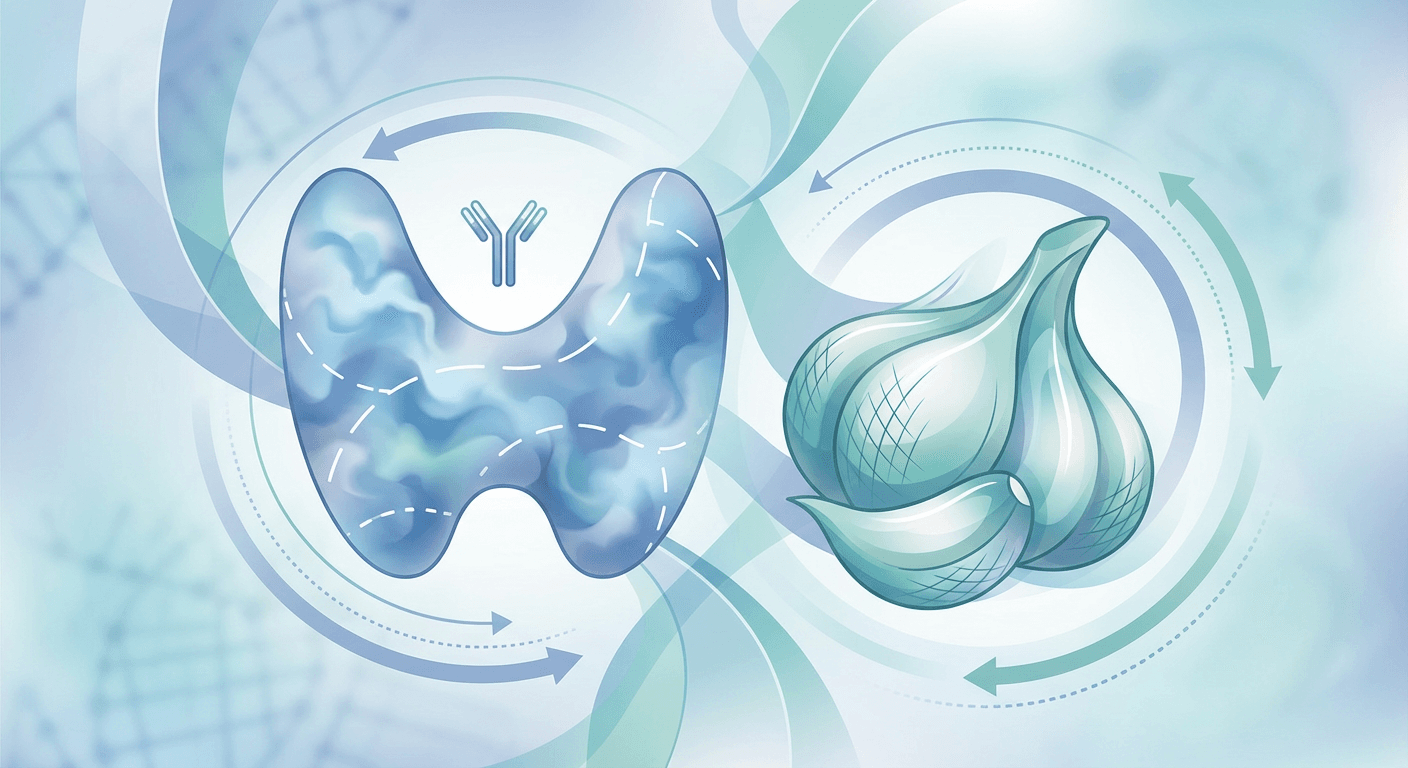
Most people with Hashimoto’s can eat culinary garlic without clear evidence of worsening thyroid inflammation, but very high‑dose garlic supplements may have immune‑stimulating and drug‑interaction effects that warrant caution. Current human data do not show that normal dietary garlic triggers autoimmune flares in Hashimoto’s, while concentrated supplements have potential to affect immunity, bleeding risk, and certain medications. [1] [2] [3]
What we know so far
- Hashimoto’s basics: Hashimoto’s thyroiditis is an autoimmune condition where immune cells attack the thyroid, often leading over time to hypothyroidism (low thyroid function). Both T‑cell and B‑cell immune pathways are involved, and environmental triggers can influence disease activity in genetically susceptible people. [4] [5]
- Garlic’s general effects: Garlic contains compounds (like allicin) with cardiovascular and immune effects. Experimental and clinical observations suggest garlic can stimulate aspects of humoral and cellular immunity, including T‑cell proliferation and macrophage activity, although translating this to harmful autoimmune activation in humans is unproven. [1] [2]
Is there direct evidence that garlic worsens Hashimoto’s?
- No direct clinical link has been established between dietary garlic and Hashimoto’s flares. Major reviews of autoimmune thyroid disease discuss genetics, iodine excess, infections, and pollutants as triggers, but do not identify garlic as a proven trigger. [4] [5]
- Immune stimulation ≠ autoimmune flare by default. While garlic may enhance certain immune responses in experimental settings, this has not been shown to exacerbate thyroid autoimmunity specifically when consumed in typical culinary amounts. [1] [2]
When to be cautious
- High‑dose supplements: Concentrated garlic products can have systemic effects. They can alter platelet function and increase bleeding risk, and professional guidance advises stopping garlic supplements 1–2 weeks before surgery. [3] They may also cause gastrointestinal upset and affect gut bacteria, which could indirectly influence immune function in sensitive individuals. [6]
- Drug interactions: Garlic can interact with several medications. It may increase bleeding risk with anticoagulants, and it has been reported to affect the pharmacokinetics of certain drugs (for example, lowering levels of some agents by influencing metabolism), which could lead to therapeutic failure. [3] [7]
- Blood sugar considerations: Garlic has been associated with hypoglycemic effects in animal studies, so those on insulin or glucose‑lowering agents may need monitoring if using supplements. [3]
Practical guidance for people with Hashimoto’s
- Culinary garlic is generally reasonable: Using garlic in cooking (e.g., 1–2 cloves in meals) is unlikely to cause autoimmune flare‑ups for most people with Hashimoto’s based on available evidence. There is no established guideline that asks people with Hashimoto’s to avoid garlic in regular food. [4] [5]
- Be cautious with supplements: If you’re considering high‑dose garlic capsules, aged garlic extract, or oils, it would be prudent to discuss this with your clinician especially if you take blood thinners, have upcoming surgery, use drugs with narrow therapeutic windows, or have sensitive digestion. [3] [7]
- Personal variability matters: Autoimmune conditions can vary greatly. If you notice consistent symptom flares (fatigue, neck tenderness, palpitations, or lab changes in TSH/free T4/antibodies) tightly linked to garlic intake, a supervised trial reduction or avoidance could be reasonable, with follow‑up labs to confirm any pattern. [4]
How to test your own tolerance
- Keep your intake to typical culinary amounts for 2–4 weeks and watch for changes in symptoms.
- If stable, and you wish to try a supplement, start low, monitor for side effects, and check in with your clinician if you’re on interacting medications. [3] [7]
- If you suspect sensitivity, stop for 2–4 weeks and reassess symptoms; consider thyroid labs to objectively track disease activity over time. [4]
Quick reference table
| Topic | Culinary garlic (food) | Garlic supplements (high‑dose) |
|---|---|---|
| Evidence of Hashimoto’s flares | No direct evidence of causing flares | No direct evidence, but theoretical immune stimulation; individual reactions possible [1] [2] |
| Immune effects | Mild, likely limited in typical diets | Can stimulate humoral/cellular immunity in studies [1] [2] |
| Bleeding risk | Minimal in normal diets | Increased bleeding risk; stop 1–2 weeks pre‑op [3] |
| Drug interactions | Unlikely at small amounts | May affect anticoagulants and certain drugs’ levels, risking therapeutic failure [3] [7] |
| GI side effects | Possible mild upset in some | More common: upset, diarrhea, odor, microbiome changes [6] |
| Blood sugar effects | Minimal | Potential hypoglycemia risk with diabetes meds (animal data) [3] |
Bottom line
- Culinary garlic is generally safe for people with Hashimoto’s and is not known to trigger autoimmune flares. [4] [5]
- High‑dose garlic supplements should be used thoughtfully because of immune activity, bleeding risk, and drug interactions; discuss with your clinician if you have Hashimoto’s, take anticoagulants, or manage multiple medications. [3] [7] [1] [2]
- Listen to your body: Individual responses vary; track symptoms and labs to identify any personal sensitivity pattern. [4]
Related Questions
Related Articles


Sources
Important Notice: This information is provided for educational purposes only and is not intended to replace professional medical advice, diagnosis, or treatment. Always consult with a qualified healthcare provider before making any medical decisions.