
 Persly Medical Team
Based on NIH | Is it true that eating raw garlic can worsen gastritis symptoms?
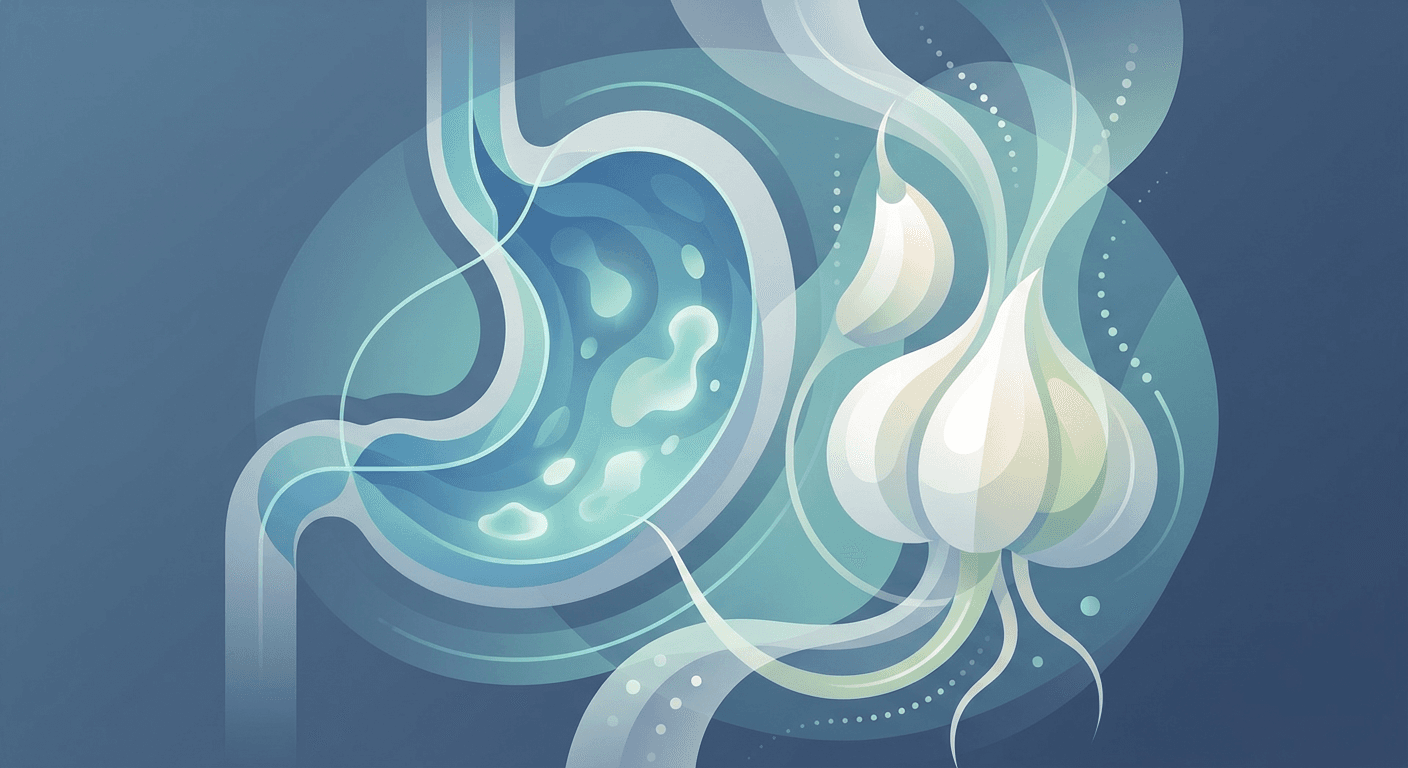
Yes, raw garlic can irritate the stomach lining and may worsen gastritis symptoms, though sensitivity varies. Guidance for gastritis emphasizes avoiding personal triggers; some people tolerate small amounts of cooked garlic better, and persistent or severe symptoms warrant medical evaluation.
Yes eating raw garlic can irritate the stomach lining in some people and may worsen gastritis symptoms, although sensitivity varies from person to person. While garlic has potential health benefits, it is also known to cause gastrointestinal upset such as stomach discomfort and diarrhea in some users, which can aggravate an already inflamed gastric lining. [1] In general guidance for gastritis, healthcare sources recommend avoiding foods that seem to irritate your stomach and focusing on symptom triggers, which for some people include pungent or spicy ingredients like raw garlic. [2] [3]
What is gastritis?
Gastritis is inflammation of the stomach lining that can be short‑term (acute) or long‑term (chronic). [4] Common causes include Helicobacter pylori infection, regular use of certain painkillers (NSAIDs), and alcohol, and symptoms can include upper‑abdominal pain, nausea, bloating, and indigestion. [5] [6] When the lining is inflamed, additional irritants dietary or medicinal can make symptoms feel worse. [6]
Why raw garlic can be a trigger
- Local irritation and GI upset: Garlic is associated with gastrointestinal side effects such as GI upset and diarrhea in some individuals, indicating it can irritate the digestive tract. [1] For someone with gastritis, this kind of irritation can translate to more burning, pain, or indigestion.
- Pungency and acidity interaction: General gastritis management encourages avoiding foods that personally provoke symptoms (often spicy, acidic, fried, or fatty foods). [2] Raw garlic’s pungent compounds can act much like other strong seasonings that some users find irritating. [3]
- Individual variability: Not everyone reacts the same; some people tolerate small amounts of cooked garlic without flares, while raw garlic may be more troublesome because of higher concentrations of sulfur compounds released when it’s crushed or chopped. While this variability is well observed in clinical guidance for GI symptom management, the practical advice remains to avoid triggers that worsen your own symptoms. [2] [3]
What about garlic’s potential benefits?
Garlic has been studied for cardiovascular and immune effects, and some data suggest it may influence risk factors for heart disease, though results are mixed and not definitive. [7] It can also have effects on platelets and bleeding risk, which is why supplements are used cautiously, especially around surgery or with blood thinners. [1] These potential benefits do not negate its ability to irritate the stomach in sensitive individuals, especially in raw form. [1]
Practical tips if you have gastritis
- Identify and avoid personal triggers: Guidance for gastritis emphasizes avoiding foods that worsen your symptoms; if raw garlic consistently flares pain or indigestion, it’s reasonable to limit or avoid it. [2] [3]
- Try cooked or smaller amounts: Some people find that well‑cooked garlic (versus raw) is gentler, as cooking can mellow pungent compounds; adjust portion sizes to test tolerance cautiously alongside bland meals. This aligns with general strategies to reduce stomach irritation by choosing less irritating preparations. [2]
- Focus on proven cornerstones: Avoid alcohol and consider switching from NSAIDs to acetaminophen (if appropriate) to reduce gastric irritation, as these changes often provide meaningful relief. [2]
- Seek care if symptoms persist or are severe: Ongoing symptoms for a week or more, severe pain, repeated vomiting, or signs of bleeding should prompt medical evaluation. [6]
Simple decision guide
| Situation | What it could mean | Suggested next step |
|---|---|---|
| You eat raw garlic and your upper‑abdominal pain, burning, or nausea worsens | Raw garlic is a personal trigger for your gastritis | Avoid raw garlic; consider cooked forms in small amounts to test tolerance |
| You tolerate cooked garlic in small portions without symptoms | Less irritating preparation is acceptable for you | Use small, cooked amounts and avoid raw forms |
| Symptoms flare with multiple pungent/spicy foods | Broader dietary sensitivity with gastritis | Temporarily follow a gentle diet, avoid known irritants, and reintroduce foods gradually |
| Symptoms persist despite avoiding triggers | Ongoing inflammation or another cause | See a clinician for evaluation and treatment options |
Bottom line
- Raw garlic can worsen gastritis symptoms in many people due to its potential to irritate the stomach and cause GI upset, so it’s reasonable to avoid it if you notice flares. [1]
- Managing gastritis focuses on avoiding personal dietary triggers and other irritants like alcohol and NSAIDs, and seeking care if symptoms continue. [2] [6]
Would you like help building a gentle, symptom‑friendly meal plan that still includes flavors you enjoy?
Related Questions
Related Articles


Sources
- 1.^abcdeGarlic(mskcc.org)
- 2.^abcdefgGastritis - Diagnosis and treatment(mayoclinic.org)
- 3.^abcdGastritis - Diagnosis and treatment(mayoclinic.org)
- 4.^↑Gastritis - Symptoms and causes(mayoclinic.org)
- 5.^↑Gastritis: MedlinePlus Medical Encyclopedia(medlineplus.gov)
- 6.^abcdGastritis - Symptoms and causes(mayoclinic.org)
- 7.^↑Garlic(mskcc.org)
Important Notice: This information is provided for educational purposes only and is not intended to replace professional medical advice, diagnosis, or treatment. Always consult with a qualified healthcare provider before making any medical decisions.