
 Persly Medical Team
Based on PubMed | Is it true that high-intensity exercise on an empty stomach can worsen gastritis symptoms?
Yes. High-intensity, jarring exercise can worsen upper-GI symptoms in people with gastritis, and doing it fasted does not reliably prevent reflux or nausea. Opt for lower-impact, moderate-intensity sessions, smart meal timing and hydration, and address triggers and underlying causes; seek care for alarm signs.
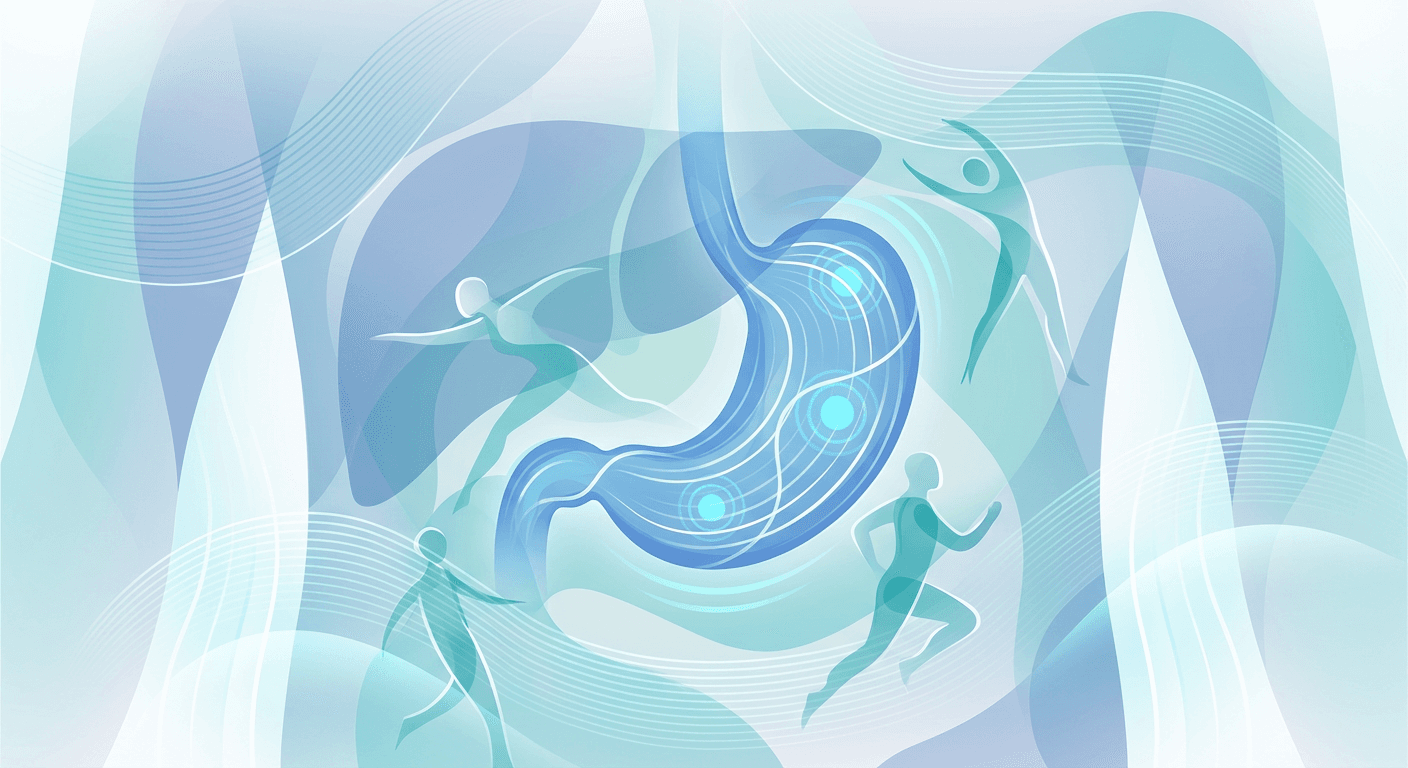
High‑intensity exercise on an empty stomach can make upper‑stomach symptoms worse for some people, especially if they already have gastritis or reflux‑type irritation. Vigorous activity increases “bounce,” raises abdominal pressure, shifts blood flow away from the gut, and can provoke acid reflux and nausea factors that may aggravate an already sensitive stomach lining. [1] [2]
What gastritis is
Gastritis means inflammation of the stomach lining and can be triggered by Helicobacter pylori infection, frequent NSAID use, alcohol, or autoimmune causes. Typical symptoms include a burning or gnawing pain in the upper belly, nausea, vomiting, and a sense of fullness. [3] Alcohol and some painkillers can worsen irritation, and untreated cases can lead to ulcers in some people. For many, symptoms improve with appropriate treatment and lifestyle changes. [4] [5]
How intense exercise can irritate the upper GI tract
- Body jostling and pressure: High‑impact activities like running are more likely to trigger gastroesophageal reflux than low‑impact cycling. In controlled monitoring, running produced the most reflux episodes, while stationary cycling produced less. [1]
- Post‑meal vs fasting: Reflux during exercise occurs both fasting and after meals, but post‑meal exercise shows even more reflux than fasting. [1]
- Gut blood flow and stress: Strenuous exercise shifts blood away from the digestive tract and adds physical stress. This can contribute to nausea, vomiting, and abdominal pain in athletes and, when severe or prolonged, can injure the gut lining. [6]
- Gastric function changes: With increasing intensity, gastric emptying of solids slows and GI symptoms become more common, even though acid secretion itself may not change much in most people. [7]
Taken together, these mechanisms suggest that high‑intensity workouts especially those with lots of jarring movement can plausibly worsen heartburn‑like pain and nausea in someone with gastritis, and doing them on an empty stomach does not reliably protect against symptoms.
Does “fasted” make it better or worse?
- Fasting doesn’t eliminate exercise‑induced reflux. In healthy volunteers, vigorous exercise provoked reflux during fasting and after meals, with greater reflux after meals. [1]
- Prolonged heavy exertion with caloric deficit (extreme “fasted stress”) can alter gastric contents in ways that may predispose to mucosal injury. In a study of continuous heavy exercise with calorie restriction and sleep loss, markers in gastric juice shifted in a pattern suggesting risk for lining damage. [8]
Practically, some people feel fewer cramps fasted, while others feel more “acid” or nausea; responses vary. If your stomach lining is already inflamed, the added reflux and stress from intense workouts may aggravate symptoms, whether fasted or not. [1] [2]
Practical guidance to reduce symptoms
- Choose lower‑impact sessions: Opt for cycling, elliptical, swimming, or walking on days your stomach flares, since these provoke fewer reflux events than running. [1]
- Moderate intensity when flaring: Submaximal efforts are less likely to slow gastric emptying or trigger symptoms than near‑exhaustion workouts. [7]
- Time meals smartly: General fitness guidance suggests allowing time after large meals before exercise; smaller snacks are easier to tolerate. Because post‑meal vigorous exercise increases reflux more than fasting, avoid high‑intensity sessions within a few hours of big meals. [1]
- Consider a light pre‑workout snack: Many with sensitive stomachs tolerate a small, low‑fat, low‑fiber carbohydrate snack 1–3 hours pre‑workout, which can buffer acid without overfilling the stomach. Trying new foods right before a workout can upset the stomach, so test options in easy sessions first. [9]
- Hydrate, but not excessively: Dehydration worsens GI complaints during strenuous exercise, yet very concentrated or very sugary drinks can slow gastric emptying and aggravate symptoms. [6]
- Manage known irritants: Limit alcohol and avoid frequent NSAID use, as both can inflame the stomach lining. [10] [11]
- Treat underlying causes: If H. pylori is present, antibiotics plus acid suppression are often used; addressing the root cause generally reduces symptom provocation with activity. [12]
When to seek medical care
- Alarm signs like black, tarry stools, vomiting blood, or persistent worsening pain need prompt evaluation. These can indicate bleeding or ulceration. [13]
- Persistent symptoms despite lifestyle steps merit review and potentially testing for H. pylori or other causes. Many people improve with targeted therapy and avoiding triggers. [10]
Bottom line
High‑intensity exercise especially with lots of jarring movement can trigger reflux and upper‑GI symptoms even in fasting conditions, and this may worsen discomfort in people with gastritis. Adjusting intensity, choosing lower‑impact modalities, smart meal timing, gentle hydration, and treating underlying causes can meaningfully reduce symptom flare‑ups. [1] [2] [12]
Related Questions
Related Articles


Sources
- 1.^abcdefghGastroesophageal reflux induced by exercise in healthy volunteers.(pubmed.ncbi.nlm.nih.gov)
- 2.^abcGastro-oesophageal reflux and exercise. Important pathology to consider in the athletic population.(pubmed.ncbi.nlm.nih.gov)
- 3.^↑Gastritis - Symptoms and causes(mayoclinic.org)
- 4.^↑Gastritis - Symptoms and causes(mayoclinic.org)
- 5.^↑Gastritis - Symptoms and causes(mayoclinic.org)
- 6.^abFood-dependent, exercise-induced gastrointestinal distress.(pubmed.ncbi.nlm.nih.gov)
- 7.^abThe effect of exercise on the gastrointestinal tract.(pubmed.ncbi.nlm.nih.gov)
- 8.^↑The influence of prolonged physical stress on gastric juice components in healthy man.(pubmed.ncbi.nlm.nih.gov)
- 9.^↑Eating and exercise: 5 tips to maximize your workouts(mayoclinic.org)
- 10.^abGastritis - Diagnosis and treatment(mayoclinic.org)
- 11.^↑Gastritis - Diagnosis and treatment(mayoclinic.org)
- 12.^abDiagnosis and treatment - Mayo Clinic(mayoclinic.org)
- 13.^↑Gastritis: MedlinePlus Medical Encyclopedia(medlineplus.gov)
Important Notice: This information is provided for educational purposes only and is not intended to replace professional medical advice, diagnosis, or treatment. Always consult with a qualified healthcare provider before making any medical decisions.