
 Persly Medical Team
Based on PubMed | Is turmeric effective for controlling blood sugar in people with type 2 diabetes?
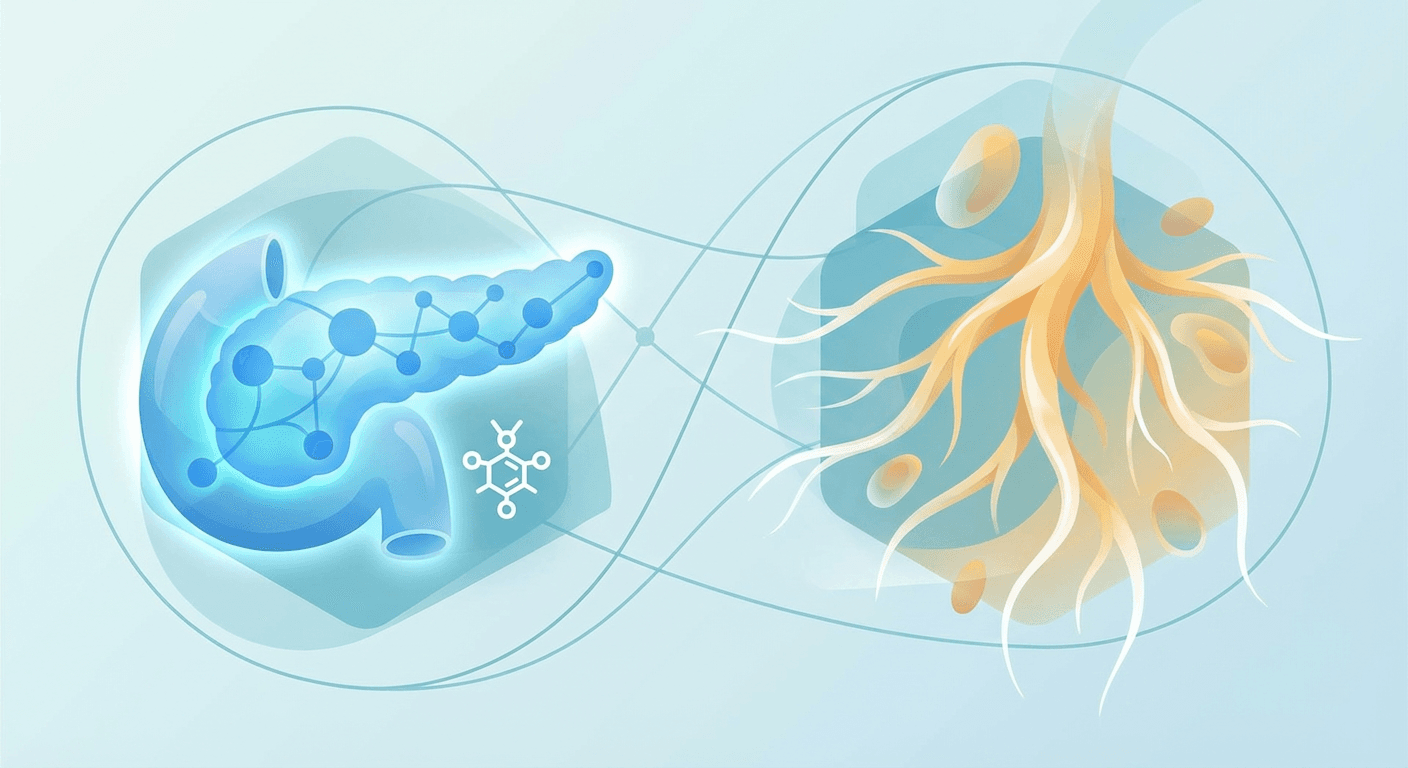
Curcumin (turmeric) may modestly lower fasting glucose, HbA1c, and insulin resistance in type 2 diabetes based on small short-term randomized trials. Evidence is limited, so it should be used only as an adjunct to prescribed medications and lifestyle changes, not as a replacement. Discuss use with your clinician, choose a quality product, and monitor blood sugars to avoid interactions or hypoglycemia.
Turmeric (curcumin) may offer modest improvements in blood sugar control for some people with type 2 diabetes, but it should be considered an adjunct not a replacement for standard lifestyle changes and prescribed medications. [1] Evidence from small randomized trials suggests reductions in fasting glucose, HbA1c, and insulin resistance over a few months, yet mainstream clinical bodies emphasize that supplements, including turmeric/curcumin, do not have strong enough proof to manage blood sugar on their own. [1] [2]
What the evidence shows
- Randomized, double‑blind, placebo‑controlled trial: In 100 adults with type 2 diabetes, 300 mg/day curcuminoids for 3 months led to statistically significant reductions in fasting blood glucose, HbA1c, and HOMA‑IR (a measure of insulin resistance), along with improvements in lipids. These findings suggest a glucose‑lowering effect, possibly via reduced free fatty acids and enhanced fatty acid utilization. [1]
- Prediabetes prevention data: In a 9‑month trial of 240 adults with prediabetes, curcumin reduced progression to type 2 diabetes to 0% versus 16.4% with placebo and improved beta‑cell function and insulin resistance; while promising, this applies to prevention in prediabetes rather than treatment of established diabetes. [3]
- Broad guidance: Major clinical resources note that research on supplements for type 2 diabetes has shown insufficient evidence to recommend them for blood sugar management as primary therapy. This includes caution that alternative therapies shouldn’t replace proven treatments. [2]
Clinical interpretation
- The diabetic RCT suggests potential short‑term benefits on HbA1c and fasting glucose with curcuminoids. [1]
- However, evidence is limited in size and duration, and high‑quality, larger, long‑term trials are needed to confirm durable benefits on HbA1c, complications, and safety. [2]
- Therefore, turmeric/curcumin may be considered as an adjunct for interested adults with type 2 diabetes who are already following medical advice, while not substituting for first‑line measures like metformin, GLP‑1 receptor agonists, SGLT2 inhibitors, diet, and exercise. [2]
Safety and interactions
- Turmeric/curcumin are generally well tolerated in studied doses over months, but gastrointestinal upset can occur. Because curcumin might lower glucose, it could add to the effect of diabetes medications and, in rare cases, contribute to hypoglycemia monitoring is advised when starting or changing doses. [1] [2]
- Curcumin can affect drug metabolism and may have antiplatelet effects; caution is sensible if you take anticoagulants/antiplatelets or have surgery planned, and if you have gallbladder disease or kidney stones history due to oxalate content in turmeric. Discuss with your clinician before starting. [2]
- A separate line of research noted potential vascular benefits (reduced arterial stiffness) in type 2 diabetes populations, which, while encouraging, still requires more confirmatory study before routine use is advised. [4]
Practical use if you choose to try it
- Forms and dosing: Clinical trials in diabetes have used curcuminoid extracts around 300 mg/day for 3 months; products vary widely in curcumin content and bioavailability (some include piperine/black pepper to enhance absorption). Select standardized products from reputable manufacturers. [1]
- Monitoring: If you and your clinician decide to try curcumin, check fasting glucose and, over time, HbA1c to see if it provides a measurable benefit, and watch for symptoms of low blood sugar if you are on medications that can cause hypoglycemia. [1] [2]
- Do not discontinue prescribed therapy: Keep taking your diabetes medications and maintain lifestyle measures (dietary pattern, activity, weight management), which have the strongest evidence base for glucose control and complication risk reduction. [2]
Bottom line
- There is promising but limited clinical evidence that curcuminoids can improve fasting glucose, HbA1c, and insulin resistance in type 2 diabetes over the short term. [1]
- Major medical guidance emphasizes that supplements, including turmeric/curcumin, do not have sufficient evidence to manage blood sugar on their own and should not replace proven treatments. [2]
- If you are interested, use curcumin as an adjunct under medical supervision, choose a quality product, and monitor your blood sugars and HbA1c for objective benefit. [1] [2]
Related Questions
Related Articles


Sources
- 1.^abcdefghiCurcuminoids exert glucose-lowering effect in type 2 diabetes by decreasing serum free fatty acids: a double-blind, placebo-controlled trial.(pubmed.ncbi.nlm.nih.gov)
- 2.^abcdefghijType 2 diabetes - Diagnosis and treatment(mayoclinic.org)
- 3.^↑Curcumin extract for prevention of type 2 diabetes.(pubmed.ncbi.nlm.nih.gov)
- 4.^↑Turmeric(mskcc.org)
Important Notice: This information is provided for educational purposes only and is not intended to replace professional medical advice, diagnosis, or treatment. Always consult with a qualified healthcare provider before making any medical decisions.