
 Persly Medical Team
Based on NIH | Is it true that eating nuts can reverse type 2 diabetes?
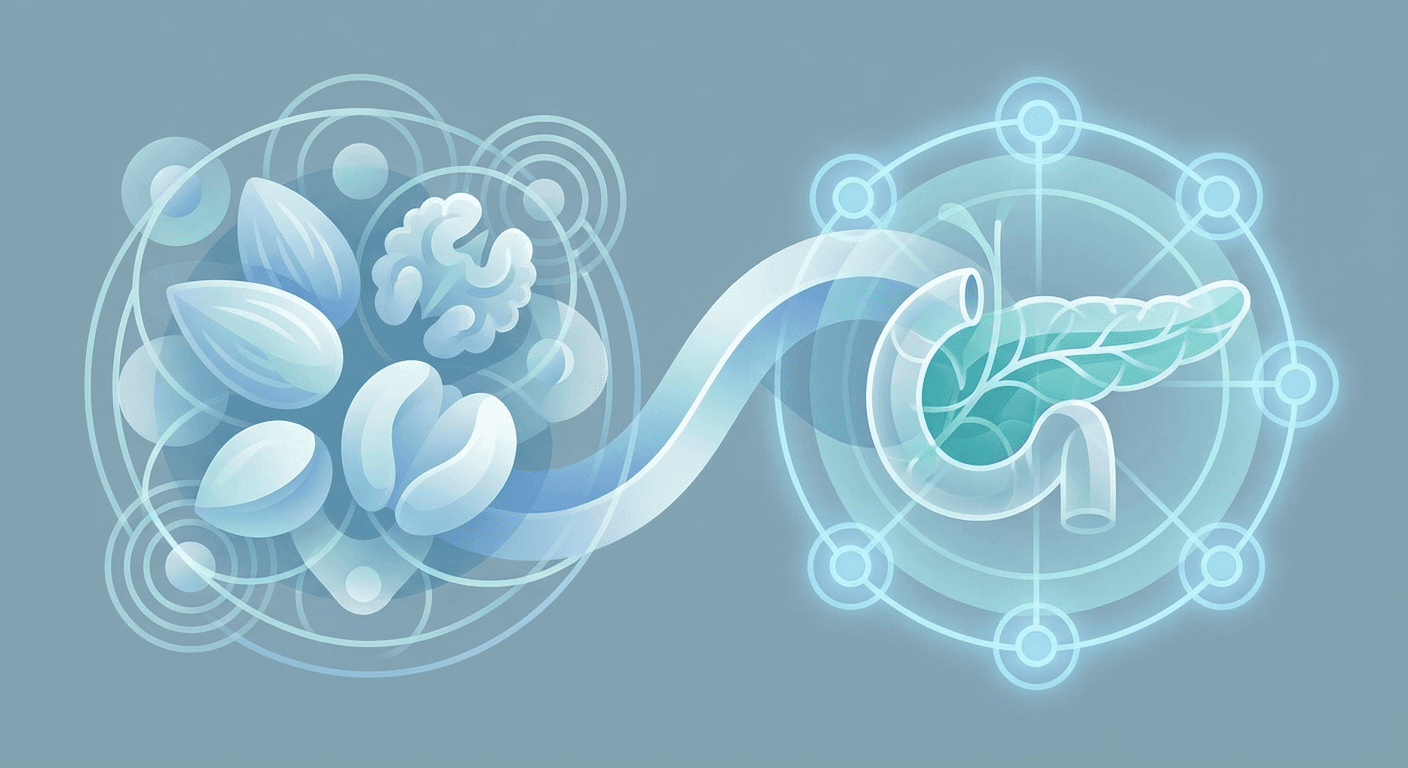
Eating nuts alone does not reverse type 2 diabetes. Research suggests nuts can modestly improve A1c, fasting glucose, and cholesterol especially when they replace refined carbohydrates within a calorie-appropriate eating pattern but remission typically requires comprehensive lifestyle changes, weight loss, and potentially medication optimization or surgery.
Eating nuts alone does not reverse type 2 diabetes. Evidence suggests that nuts can modestly improve blood sugar measures and heart risk factors when they replace refined carbohydrates and are part of a broader, calorie‑appropriate eating pattern, but remission of type 2 diabetes typically requires comprehensive lifestyle changes (often including weight loss), medication optimization, and sometimes bariatric surgery. [1] [2]
What nuts can and cannot do
- Nuts are rich in healthy fats, fiber, magnesium, and plant protein, which can help blunt after‑meal blood sugar spikes when eaten with carbohydrates and support fullness. [3]
- Randomized controlled trials pooled in a meta‑analysis found that tree nuts (about 56 g/day) led to small but significant improvements in HbA1c (about −0.07%) and fasting glucose compared with similar diets without nuts; effects on fasting insulin and insulin resistance were not significant. [1]
- Earlier clinical studies showed improvements in cholesterol profiles with nut intake and reduced post‑meal glucose rises when nuts are eaten with high‑glycemic foods, but durable improvements in overall glycemic control were limited. [4]
Can nuts reverse diabetes?
- Remission (often called “reversal”) of type 2 diabetes is sometimes achievable, mainly through substantial, sustained weight loss, intensive lifestyle changes, and occasionally metabolic surgery; there is no evidence that a single food, including nuts, achieves remission on its own. [2]
- Major diabetes nutrition guidance promotes overall healthy eating patterns that can include nuts, but does not present nuts as a stand‑alone remission strategy. [5]
Where nuts fit in a diabetes‑friendly eating plan
- Including a small handful of unsalted nuts (about 1 ounce/28–30 g) as a snack or using nuts to replace refined carbs can help stabilize post‑meal glucose and improve lipid profiles. [3] [4]
- Replacing high‑glycemic foods with nuts within an isocaloric plan is a promising tactic highlighted by research to improve glycemic markers modestly. [1]
Practical tips
- Portion guidance: Aim for 1 ounce (about a small handful) per serving; doses used in trials were roughly 2 ounces/day, but consider overall calories and weight goals. [1]
- Best uses: Pair nuts with carbohydrate foods (for example, add walnuts or almonds to oatmeal or salads) to reduce post‑meal glucose rise. [4]
- Choose minimally processed options: Prefer unsalted, dry‑roasted or raw nuts to avoid excess sodium and added sugars. [3]
- Variety helps: Almonds, walnuts, pistachios, pecans, and other tree nuts have similar benefits; choose what you enjoy and tolerate. [1]
Safety and cautions
- Calorie density: Nuts are energy‑dense; keeping portions in check supports weight management, a key driver of glycemic improvement and potential remission. [2]
- Allergies: Avoid nuts if you have nut allergies and consider seeds (like pumpkin or sunflower) as alternatives. [5]
- Individualization: Work with a clinician or dietitian to integrate nuts into your medication and glucose monitoring plan, especially if you are adjusting carbs or aiming for weight loss. [5]
Bottom line
- Nuts are a supportive food for diabetes management linked to small improvements in HbA1c and fasting glucose, better cholesterol levels, and reduced post‑meal glucose spikes. [1] [4]
- Type 2 diabetes remission is possible for some people through comprehensive lifestyle changes and, in some cases, surgery, not by eating nuts alone. [2]
Quick reference: What the evidence shows
| Question | What studies suggest | What it means for you |
|---|---|---|
| Do nuts lower A1c? | Meta‑analysis shows a small reduction (~0.07%) with ~56 g/day tree nuts vs. control. [1] | Useful but modest; not a replacement for broader diet and weight strategies. |
| Do nuts blunt post‑meal glucose? | Acute studies show reduced post‑prandial glycemia when nuts are eaten with high‑GI carbs. [4] | Add nuts to meals with carbs to lessen spikes. |
| Do nuts improve cholesterol? | Trials consistently show improved lipid profiles. [4] | Supports heart health, a key goal in diabetes. |
| Can nuts alone reverse diabetes? | No evidence they cause remission on their own. [2] | Use nuts as part of a comprehensive plan (diet quality, calorie balance, activity, medications). |
If you’d like, I can help you build a simple 7‑day meal outline that incorporates nuts appropriately while targeting weight, A1c, and heart health.
Related Questions
Related Articles


Sources
- 1.^abcdefgEffect of tree nuts on glycemic control in diabetes: a systematic review and meta-analysis of randomized controlled dietary trials.(pubmed.ncbi.nlm.nih.gov)
- 2.^abcdeDiabetes: MedlinePlus Medical Encyclopedia(medlineplus.gov)
- 3.^abcWhat superstar foods are good for diabetes?(diabetes.org)
- 4.^abcdefNuts, metabolic syndrome and diabetes.(pubmed.ncbi.nlm.nih.gov)
- 5.^abcDiabetic Diet(medlineplus.gov)
Important Notice: This information is provided for educational purposes only and is not intended to replace professional medical advice, diagnosis, or treatment. Always consult with a qualified healthcare provider before making any medical decisions.