
 Persly Medical Team
Based on PubMed | Does eating red meat increase the risk of developing type 2 diabetes?
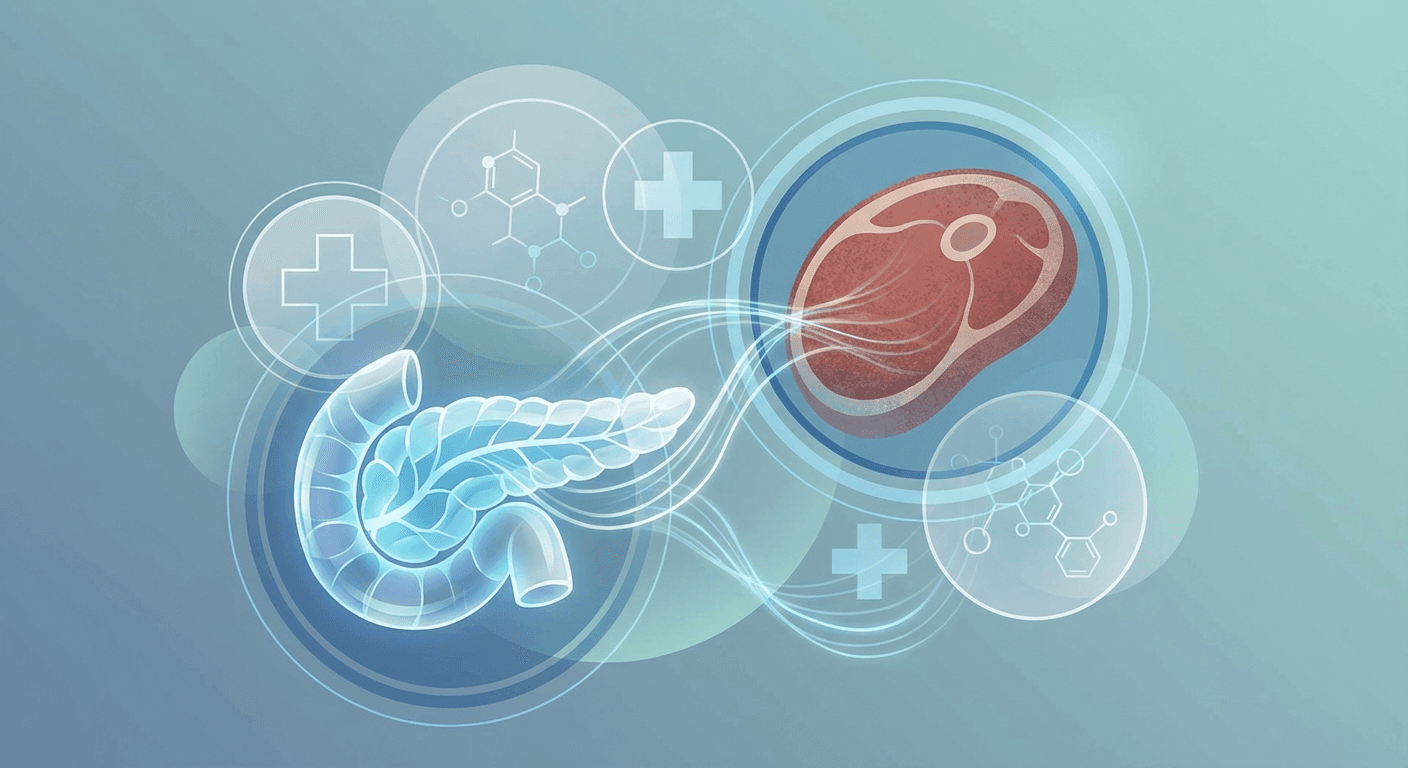
Large prospective studies and meta-analyses show that eating red meat especially processed meats like bacon and deli meats raises type 2 diabetes risk, with stronger associations for processed than unprocessed. Each daily serving is linked to higher risk (~32% processed; ~12% unprocessed), while replacing red meat with nuts, low-fat dairy, or whole grains is associated with 16–35% lower risk. Limiting processed meats and choosing lean proteins, fish, legumes, vegetables, fruits, and whole grains supports prevention.
Type 2 diabetes risk and red meat Evidence suggests that eating red meat especially processed red meat is associated with a higher risk of developing type 2 diabetes, while replacing red meat with healthier protein or whole‑grain options is linked to lower risk. [1] Reducing processed/red meat intake is also associated with a lower risk of type 2 diabetes in broad dietary pattern analyses. [2]
What the research shows
-
Strong prospective cohort data: In large U.S. cohorts (over 200,000 adults followed for decades), each additional daily serving of red meat was linked with higher diabetes risk. One serving per day of processed red meat (such as bacon, sausages, hot dogs, deli meats) was associated with about a 32% higher risk, and one serving per day of unprocessed red meat (such as beef, pork, lamb) with about a 12% higher risk after accounting for age, body weight, and lifestyle factors. [1] A meta‑analysis pooling 442,101 participants confirmed these findings, showing about 19% higher risk per 100 g/day unprocessed red meat and 51% higher risk per 50 g/day processed red meat. [1]
-
Benefits of swapping foods: Substituting one daily serving of nuts, low‑fat dairy, or whole grains for one serving of red meat was associated with a 16–35% lower risk of type 2 diabetes. [1]
-
Broader dietary patterns: Across multiple cohorts, moderate reductions in processed/red meat intake were associated with lower risks of chronic diseases, including about a 24% lower risk of type 2 diabetes, alongside lower total mortality and cardiovascular mortality. [2] Although many nutrition studies are observational, continuing to follow current guidelines that limit processed meats appears prudent. [3]
Why processed meat looks riskier
Several components of red and processed meats may contribute to insulin resistance and diabetes risk:
- Sodium and preservatives: Processed meats contain substantially more sodium and curing agents, which can impair metabolic health and blood pressure; preservatives are a key differentiator from unprocessed meat and likely explain much of the excess cardiometabolic risk seen with processed meats. [4]
- Heme iron and advanced products: High heme iron intake and processing‑related compounds (advanced glycation/lipoxidation end products) may promote oxidative stress and beta‑cell dysfunction, potentially raising diabetes risk. [5]
Practical guidance you can use
- Limit processed meats: Hot dogs, bacon, sausages, and deli meats are best minimized as part of diabetes prevention. [6] Public health guidance consistently places processed meats in the “limit” category for diabetes prevention efforts. [6]
- Go lean and less often: If you choose red meat, opt for lean cuts and smaller portions, and eat them less frequently, emphasizing fish, poultry, legumes, and plant proteins more often. [7]
- Choose healthier swaps: Replace red meat with:
- Follow balanced plate habits: Aim for half the plate with vegetables and fruit, one‑quarter whole grains, and one‑quarter lean protein (fish, legumes, or lean meats). [8]
- Keep the big picture: Overall healthy eating patterns, steady physical activity, weight management, and limiting saturated fat and sugars collectively reduce diabetes risk. [8] It’s also recommended to limit red meat and avoid processed meats as part of prevention strategies. [9]
Simple comparison at a glance
| Food choice (1 serving/day) | Estimated association with T2D risk | Notes |
|---|---|---|
| Processed red meat (e.g., bacon, sausage, hot dogs, deli) | ~+32% risk per serving/day | Higher sodium/preservatives; stronger association. [1] [4] |
| Unprocessed red meat (e.g., beef, pork, lamb) | ~+12% risk per serving/day | Smaller but significant association. [1] |
| Swap to nuts | ~16–35% lower risk (vs. red meat) | Protein + healthy fats; good replacement. [1] |
| Swap to low‑fat dairy | ~16–35% lower risk (vs. red meat) | Fermented dairy like yogurt may help. [1] |
| Swap to whole grains | ~16–35% lower risk (vs. red meat) | Fiber improves glucose control. [1] |
Key takeaways
- Regular consumption of red meat, and particularly processed red meat, is linked to a higher risk of type 2 diabetes in large, long‑term human studies. [1]
- Processed meat shows the strongest association and is the most important to cut back. [1] [4]
- Replacing red meat with nuts, low‑fat dairy, or whole grains is associated with meaningful risk reductions. [1]
- Moderating red meat within an overall healthy eating pattern, staying active, and managing weight aligns with current prevention advice. [2] [3] [8] [9]
If you’re looking to make changes, a practical starting point is to limit processed meats to occasional use, choose lean unprocessed cuts in small portions, and build most meals around fish, poultry, legumes, vegetables, fruits, and whole grains. [7] [8] [9]
Related Questions
Related Articles


Sources
- 1.^abcdefghijklmnoRed meat consumption and risk of type 2 diabetes: 3 cohorts of US adults and an updated meta-analysis.(pubmed.ncbi.nlm.nih.gov)
- 2.^abcDoes reduction in red meat consumption improve health?(mayoclinic.org)
- 3.^abDoes reduction in red meat consumption improve health?(mayoclinic.org)
- 4.^abcProcessing of meats and cardiovascular risk: time to focus on preservatives.(pubmed.ncbi.nlm.nih.gov)
- 5.^↑Red meat, dietary heme iron, and risk of type 2 diabetes: the involvement of advanced lipoxidation endproducts.(pubmed.ncbi.nlm.nih.gov)
- 6.^abThe Traffic Light Method: How to Prevent Type 2 Diabetes(cdc.gov)
- 7.^abDiabetes type 2 - meal planning: MedlinePlus Medical Encyclopedia(medlineplus.gov)
- 8.^abcdDiabetes prevention: 5 tips for taking control(mayoclinic.org)
- 9.^abcHow to Prevent Diabetes(medlineplus.gov)
Important Notice: This information is provided for educational purposes only and is not intended to replace professional medical advice, diagnosis, or treatment. Always consult with a qualified healthcare provider before making any medical decisions.