
 Persly Medical Team
Based on PubMed | Can eating spicy food trigger asthma symptoms or attacks?
Spicy food is not a common direct trigger for asthma, but it can worsen symptoms by provoking acid reflux (GERD) or irritating sensitive airways. Managing reflux (avoiding late meals, elevating the head of the bed, and addressing triggers) and tracking personal reactions can help reduce flares; food additives like sulfites are more common triggers than spice heat.
Eating spicy food is not a common direct trigger for asthma, but it can indirectly worsen symptoms in some people especially if it provokes acid reflux (heartburn) or strong airway irritation. In many cases, spicy foods are tolerated, but if they lead to reflux or coughing, they may contribute to wheezing or chest tightness. [1] [2]
How spicy foods might affect asthma
- GERD link: Spicy dishes can aggravate gastroesophageal reflux disease (GERD), and reflux is a well‑recognized condition that can trigger or worsen asthma symptoms. Managing reflux such as avoiding late meals and trigger foods can help reduce asthma flares related to GERD. [3] [4]
- Reflux management tips: Stopping food 2–3 hours before bedtime and elevating the head of the bed may reduce nighttime reflux and associated breathing symptoms. Some people also benefit from medications for reflux prescribed by a clinician. [4] [3]
- Food as a trigger: Food itself is not a common asthma trigger for most people, but certain additives like sulfites can trigger symptoms in susceptible individuals. Spicy flavoring per se is usually not a direct asthma trigger, though reactions vary by person. [1] [2]
What the research suggests about “spicy” and the airways
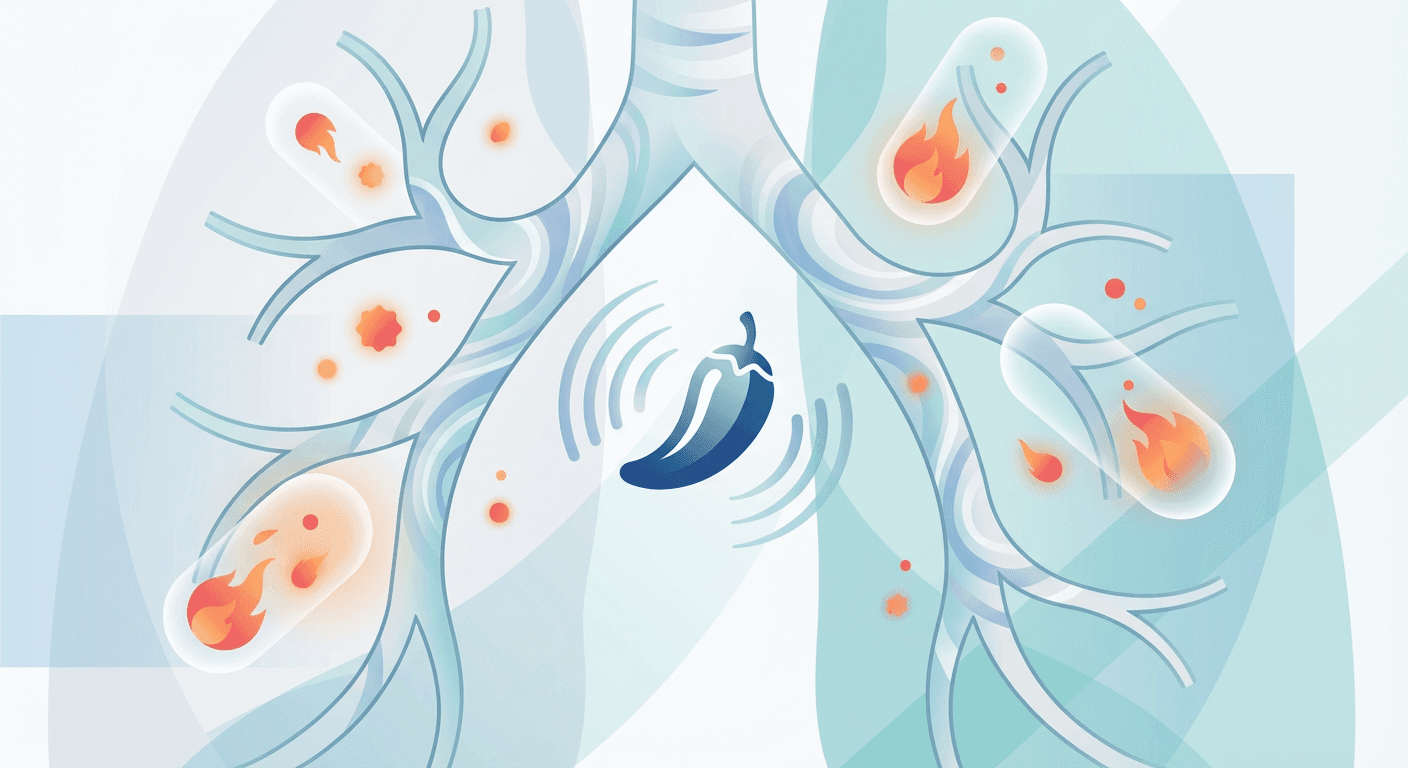
- Airway nerves and capsaicin: Capsaicin (the compound that makes chili peppers “hot”) can irritate airway nerve receptors when inhaled, provoking cough and a sensation of breathlessness in sensitive airways. In laboratory settings, inhaled capsaicin helps test cough reflex sensitivity and can cause temporary bronchoconstriction in some people. [5]
- Reflex effects are complex: Studies show mixed airway responses to capsaicin inhalation in people with asthma, including cough and, under certain conditions, even bronchodilator reflexes. These findings relate to inhalation exposure, not eating; swallowing spicy food is less likely to directly constrict airways unless it triggers reflux or intense throat irritation. [6] [5]
When to be cautious
- If spicy meals cause heartburn, sour taste in the mouth, nighttime coughing, or a need to clear the throat, reflux may be contributing to your asthma. Reducing spicy, fatty, fried foods and not eating close to bedtime may help. [3] [4]
- If you notice consistent wheeze or cough shortly after spicy foods, consider other co‑factors like portion size, alcohol, caffeine, chocolate, or peppermint, which commonly worsen reflux. Tracking meals and symptoms for 2–3 weeks can clarify your personal triggers. [4] [3]
- Keep in mind that true food‑triggered asthma is uncommon and is more often linked to preservatives such as sulfites (for example in dried fruit or wine) rather than to “spice heat.” Spice‑related symptoms are more likely from reflux or airway irritation than a classic asthma food trigger. [1] [2]
Practical tips to reduce risk
- Meal habits:
- Eat smaller portions and avoid lying down for 2–3 hours after eating. Raising the head of the bed 6–8 inches can lessen nighttime reflux and asthma symptoms. [4]
- Identify and limit foods that trigger your heartburn (spicy, fatty, fried, chocolate, caffeine, peppermint, large meals). Adjusting these can improve both reflux and asthma control. [3] [4]
- Asthma control plan:
- Consider other food factors:
Bottom line
Spicy food does not commonly trigger asthma by itself, but it can indirectly bring on symptoms by worsening acid reflux or irritating sensitive airways. If spicy dishes give you heartburn or consistent cough, moderating them and following reflux‑reduction strategies may help improve your breathing. [3] [4] [1] [2]
Related Questions
Related Articles


Sources
- 1.^abcdeAsthma & Allergy Foundation of America Food Can Affect Asthma(aafa.org)
- 2.^abcdeFood(aafa.org)
- 3.^abcdefgAsthma & Allergy Foundation of America GERD Can Trigger Asthma(aafa.org)
- 4.^abcdefghAsthma & Allergy Foundation of America GERD Can Trigger Asthma(aafa.org)
- 5.^abCough reflex testing with inhaled capsaicin and TRPV1 activation in asthma and comorbid conditions.(pubmed.ncbi.nlm.nih.gov)
- 6.^↑Capsaicin-induced bronchodilation in mild asthmatic subjects: possible role of nonadrenergic inhibitory system.(pubmed.ncbi.nlm.nih.gov)
Important Notice: This information is provided for educational purposes only and is not intended to replace professional medical advice, diagnosis, or treatment. Always consult with a qualified healthcare provider before making any medical decisions.