
 Persly Medical Team
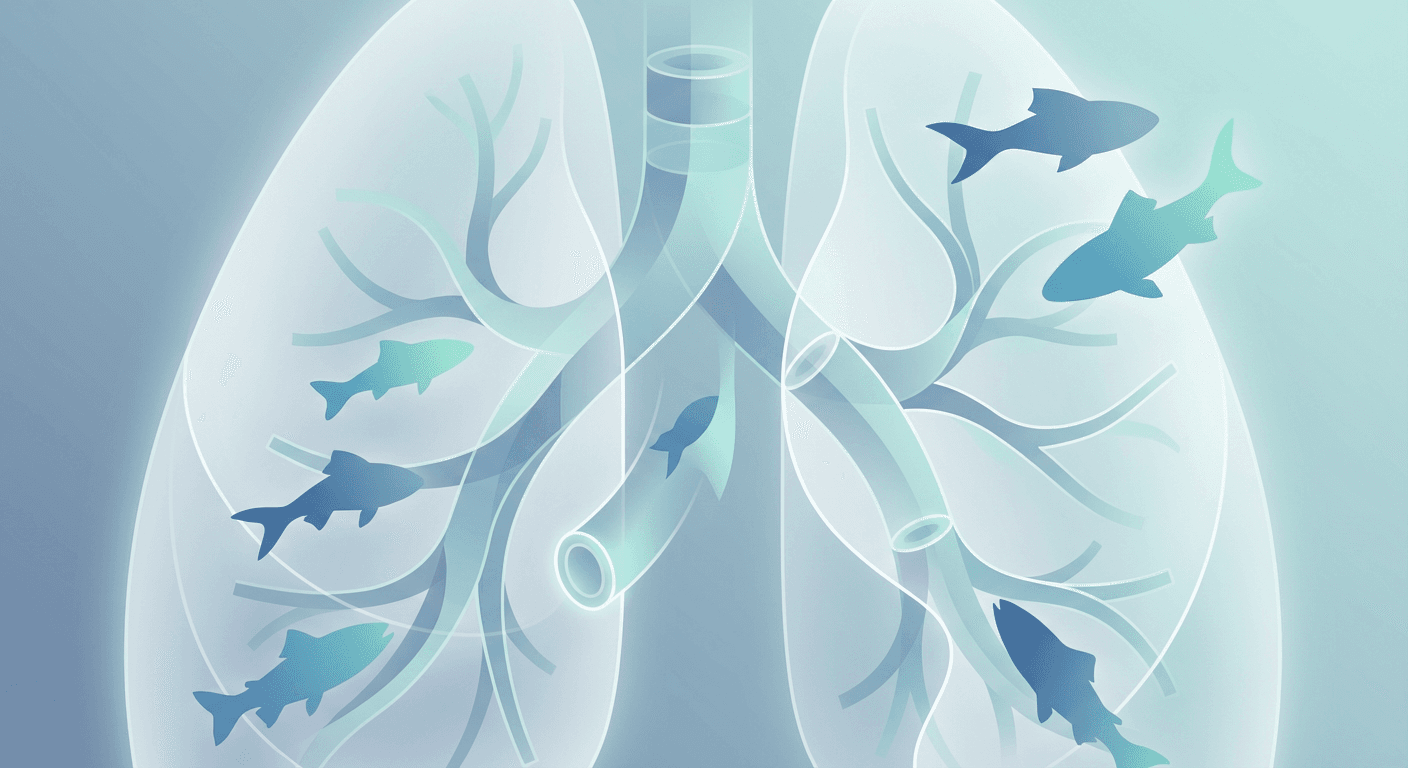
Based on PubMed | Is it true that eating fish during pregnancy reduces a child’s risk of developing asthma?
Eating fish during pregnancy may modestly lower a child’s risk of asthma, but the evidence is mixed and not definitive. Observational studies suggest small benefits, while randomized trials of omega‑3 supplements show inconsistent results. Regardless, including 2–3 servings of low‑mercury fish weekly is recommended for fetal development and overall health.
Eating fish during pregnancy may be linked to a lower risk of asthma in children, but the evidence is mixed and not definitive. Some studies suggest a modest protective effect from fish or omega‑3 intake, while others show little to no clear reduction, especially when looking at supplements alone. Overall, it may help but should be seen as one part of a healthy pregnancy diet rather than a guaranteed prevention strategy. [1] [2]
What the research suggests
-
Observational studies and meta-analyses: A pooled analysis of epidemiological studies reported that higher fish consumption and higher intake of long‑chain omega‑3 fats (EPA/DHA) were associated with lower odds of childhood asthma, with relative risks around 0.71–0.76. These results suggest a possible modest benefit but cannot prove cause and effect. [1]
-
Randomized trials of omega‑3 supplements: Trials that gave pregnant women fish oil (omega‑3) have shown mixed results. A large follow‑up trial in families at high allergy risk did not find a statistically significant reduction in overall IgE‑mediated allergies in early childhood, though there were non‑significant trends toward less eczema with sensitization. This means supplements did not clearly prevent allergic disease across the board. [2]
-
Long‑term randomized follow‑up (single trial): A Danish trial that compared fish oil with olive oil in late pregnancy reported lower rates of asthma and allergic asthma in offspring up to 16 years, suggesting a potential protective effect; however, this is one study and findings have not been uniformly reproduced. These results are encouraging but should be interpreted cautiously and alongside newer research. [3]
Practical takeaways for pregnant individuals
-
Balanced fish intake is encouraged for overall fetal development. Health authorities advise 2–3 servings (8–12 oz or 224–340 g) per week of low‑mercury seafood during pregnancy because fish provides omega‑3 fats important for the baby’s brain and nervous system. This guidance focuses on overall benefits and safety rather than asthma prevention alone. [4] [5] [6]
-
Choose low‑mercury fish. Safer choices include salmon, sardines, anchovies, herring, freshwater trout, shrimp, pollock, tilapia, cod, catfish, and canned light tuna, while limiting albacore (white) tuna to 6 oz per week. Avoid high‑mercury fish such as shark, swordfish, king mackerel, and tilefish. [5] [6] [7]
-
Supplements vs. food: Some evidence hints omega‑3 supplements might reduce risk in certain contexts, but overall results are inconsistent. Getting omega‑3s from a variety of low‑mercury fish is generally recommended over relying on supplements for asthma prevention. [2] [8]
How fish might help
Omega‑3 long‑chain polyunsaturated fatty acids (EPA and DHA) have anti‑inflammatory and immune‑modulating properties that could influence the developing immune system and airway inflammation pathways in the fetus. This biologic plausibility supports the observed associations, though it does not confirm causation on its own. [1]
Safety first: How to eat fish during pregnancy
-
Aim for variety and moderation: 2–3 servings per week of low‑mercury fish helps provide DHA/EPA for fetal brain development. This approach balances nutritional benefits with mercury safety. [4] [6]
-
Avoid high‑mercury species: Steer clear of shark, swordfish, king mackerel, and tilefish, and check local advisories for recreationally caught fish; if no advisory exists, limit to one serving and avoid other fish that week. These steps reduce mercury exposure risks. [7] [9]
-
Food safety matters: Ensure fish is well cooked and handled safely to reduce foodborne illness risk during pregnancy. Safe preparation is as important as the type of fish you choose. [10]
Bottom line
-
There is suggestive but not conclusive evidence that eating fish or consuming omega‑3s during pregnancy may lower a child’s risk of asthma. Some studies show a modest reduction, while others are neutral, so prevention cannot be guaranteed. [1] [2] [3]
-
Regardless of asthma outcomes, including 2–3 servings of low‑mercury fish weekly is widely recommended for healthy pregnancy nutrition and fetal brain development, with careful selection to minimize mercury exposure. This is a sensible, evidence‑aligned choice in most pregnancies. [4] [5] [6]
Quick reference: Pregnancy fish guidance
| Topic | Recommendation | Examples |
|---|---|---|
| Weekly amount | 8–12 oz (224–340 g), 2–3 servings | Spread across different low‑mercury fish |
| Best choices (higher omega‑3, low mercury) | Eat regularly | Salmon, sardines, anchovies, herring, freshwater trout, Pacific mackerel |
| Other safe options | In moderation | Shrimp, pollock, tilapia, cod, catfish, canned light tuna |
| Limit | Max 6 oz/week | Albacore (white) tuna, tuna steaks |
| Avoid | Do not eat | Shark, swordfish, king mackerel, tilefish |
| Local catch | Check advisories or limit | If no advisory, one serving and no other fish that week |
If you’re considering omega‑3 supplements instead of fish, it may be helpful to discuss with your prenatal care provider, especially if you eat little or no seafood, since the overall evidence for asthma prevention with supplements is mixed while dietary fish offers broader nutritional benefits. [2] [8]
Related Questions
Related Articles


Sources
- 1.^abcdFish and fish oil intake in relation to risk of asthma: a systematic review and meta-analysis.(pubmed.ncbi.nlm.nih.gov)
- 2.^abcdeRandomized controlled trial of fish oil supplementation in pregnancy on childhood allergies.(pubmed.ncbi.nlm.nih.gov)
- 3.^abFish oil intake compared with olive oil intake in late pregnancy and asthma in the offspring: 16 y of registry-based follow-up from a randomized controlled trial.(pubmed.ncbi.nlm.nih.gov)
- 4.^abcdPregnancy and fish: What's safe to eat?(mayoclinic.org)
- 5.^abcdefPregnancy and fish: What's safe to eat?(mayoclinic.org)
- 6.^abcdefgPregnancy and fish: What's safe to eat?(mayoclinic.org)
- 7.^abcOmega-3 fats - Good for your heart: MedlinePlus Medical Encyclopedia(medlineplus.gov)
- 8.^abPregnancy and fish: What's safe to eat?(mayoclinic.org)
- 9.^abMercury and Breastfeeding(cdc.gov)
- 10.^↑Pregnancy and fish: What's safe to eat?(mayoclinic.org)
Important Notice: This information is provided for educational purposes only and is not intended to replace professional medical advice, diagnosis, or treatment. Always consult with a qualified healthcare provider before making any medical decisions.