
 Persly Medical Team
Based on PubMed | Can drinking alcohol trigger or worsen asthma attacks?
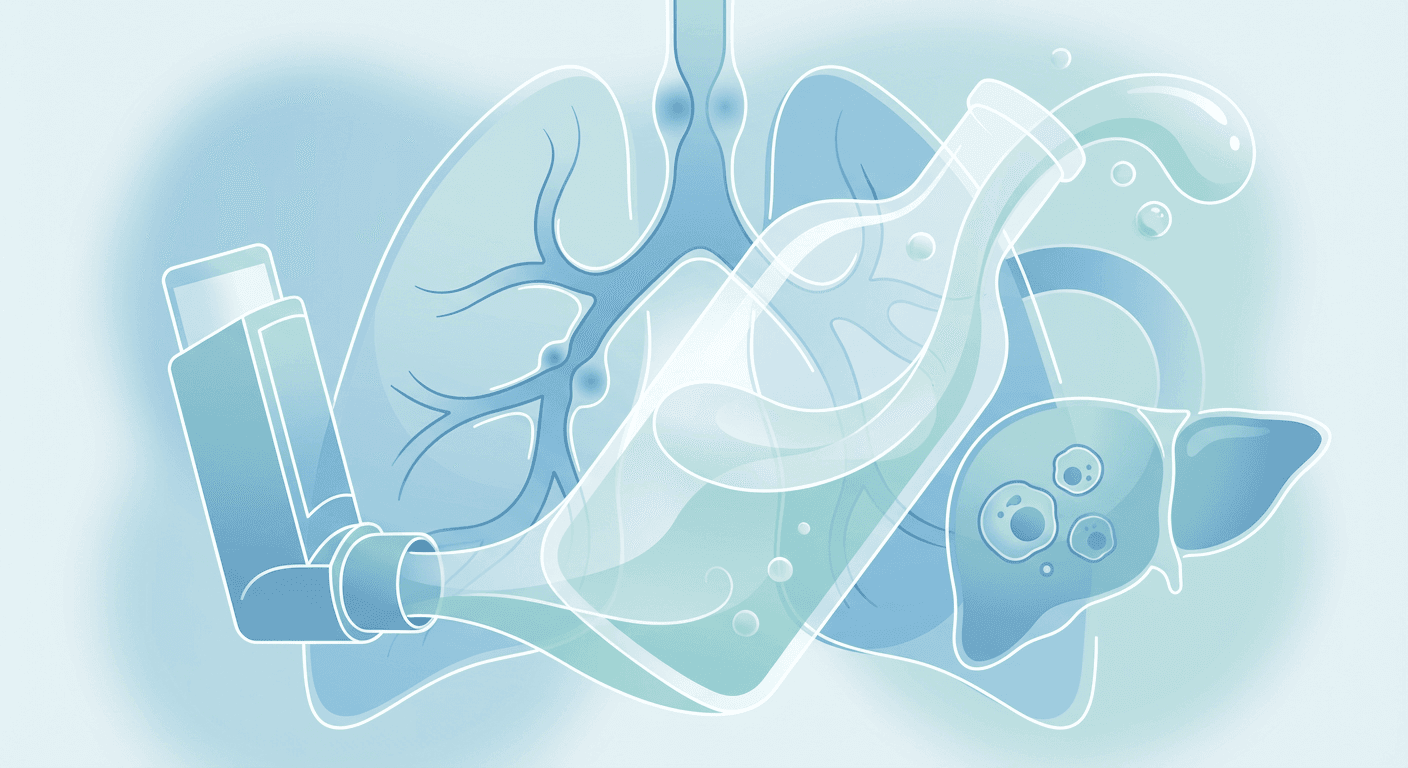
Alcohol can trigger or worsen asthma in some people, mainly due to sulfites and histamine in wine/beer and acetaldehyde-mediated reactions; GERD may also contribute. Those with AERD or sulfite sensitivity are at higher risk; choosing lower-risk drinks, monitoring personal triggers, and optimizing asthma control can reduce symptoms.
Yes alcohol can trigger or worsen asthma in some people, although it doesn’t affect everyone the same way. The most common culprits are substances in alcoholic drinks such as sulfites and histamine, and in certain groups (like those with aspirin-exacerbated respiratory disease) reactions are notably frequent. [1] [2] [3]
How alcohol can worsen asthma
-
Sulfites in drinks: Wine and beer often contain sulfites (preservatives) that can provoke wheeze, cough, or chest tightness in sensitive individuals. [1] [2]
• Wine and beer are repeatedly cited as high‑sulfite beverages that can trigger symptoms. [1] [2] -
Histamine and fermentation byproducts: Fermented beverages (especially red wine) contain histamine, which may contribute to nasal congestion and bronchospasm in some people. Histamine-related reactions are a recognized mechanism of alcohol intolerance and can overlap with asthma symptoms. [4]
-
Acetaldehyde (alcohol breakdown product): In a subset of people particularly noted in East Asian populations acetaldehyde can prompt mast cells to release histamine, leading to bronchoconstriction. Human lab studies have linked acetaldehyde to dose‑dependent histamine release and drops in breathing measures after alcohol ingestion. [5]
• Animal studies show a single alcohol exposure can trigger asthma‑like airway inflammation in allergen‑sensitized mice, supporting a biological pathway. [6]
• Additional animal data suggest acetaldehyde can amplify allergic airway inflammation and airway hyperresponsiveness. [7] -
Gastroesophageal reflux (GERD): Alcohol can relax the lower esophageal sphincter and aggravate reflux, and reflux is known to worsen cough and asthma control in many people. [1]
Who is most at risk?
-
People with sulfite sensitivity: Asthma with sensitivity to sulfites is well described, and wine/beer are common triggers. Sulfite sensitivity occurs more often in people with asthma than those without. [2] [8]
-
Aspirin-exacerbated respiratory disease (AERD): In AERD, alcohol reactions are common about three‑quarters report upper airway symptoms (runny or blocked nose) and about half report wheeze or shortness of breath, often after just a few sips. These reactions usually aren’t tied to one specific type of alcohol. [3]
-
Certain ethnic backgrounds: Studies in Japanese individuals with asthma have shown alcohol (and acetaldehyde) can provoke bronchoconstriction via histamine release in a sizable subset. [5]
-
General asthma population: Surveys suggest many people with asthma notice some effect about one‑third report worsening with some drinks, especially wine, beer, and whisky though a smaller group report perceived relief. This highlights individual variability. [9]
Common beverages and triggers
-
More likely to trigger:
• Wine (especially white and some reds) and beer due to sulfites and histamine. [1] [2]
• Some spirits may still cause symptoms in sensitive people, though they typically have lower histamine and sulfite content; survey data still implicated whisky for some. [9] -
Less likely to trigger:
• Distilled spirits without added sulfites or flavorings may be better tolerated for some individuals, but reactions can still occur depending on personal sensitivity. Responses vary, so self‑monitoring is key. [9]
What the guidelines and education resources say
- Asthma organizations note that food isn’t a common trigger overall, but sulfites in foods and alcoholic drinks can provoke asthma symptoms in susceptible people. [10] [2]
- Major medical references list sulfites and preservatives in beer and wine among recognized asthma triggers. [1]
Practical tips to reduce risk
-
Track your personal triggers: Note which drinks cause symptoms, how much, and what type of reaction you have. [11]
-
Choose lower‑risk options:
• Consider small quantities of clear distilled spirits without mixers that may contain sulfites (like bottled lemon/lime juice). [2]
• Some individuals do better with certain wines (e.g., lower‑sulfite options), but results vary. [2] -
Limit or avoid high‑sulfite drinks: Wine and beer are common triggers in sulfite‑sensitive asthma. [1] [2]
-
Optimize baseline asthma control: Keep your preventer (controller) therapy on track and carry a reliever inhaler when you drink. [1]
-
Watch for AERD clues: If you have nasal polyps, chronic sinus issues, and reactions to aspirin/NSAIDs, alcohol reactions are especially common; discussing an AERD evaluation could be helpful. [3]
-
Mind reflux: If alcohol worsens heartburn, managing GERD (timing of meals/drinks, avoiding late‑night alcohol, and medical management) may improve asthma control. [1]
-
Seek medical advice for severe or consistent reactions: A clinician can help differentiate sulfite sensitivity, alcohol intolerance, AERD, or other causes and adjust your asthma action plan accordingly. [1] [2]
Quick reference table
| Issue | Why it matters | Drinks commonly involved | What to try |
|---|---|---|---|
| Sulfites | Can trigger asthma in sensitive people | Wine, beer, some mixers (bottled lemon/lime), some ciders | Choose lower‑sulfite options; consider distilled spirits without sulfite‑containing mixers |
| Histamine/fermentation byproducts | May cause nasal and bronchial symptoms | Red/white wines, some beers | Trial of different types; limit intake; pre‑medication rarely advised without clinician input |
| Acetaldehyde‑mediated histamine release | Documented bronchoconstriction mechanism in a subset; stronger signal in East Asians | Any alcohol (metabolized to acetaldehyde) | Reduce intake; monitor for consistent pattern; discuss with clinician if reactions are frequent |
| AERD | Very high prevalence of alcohol‑induced respiratory symptoms | Any alcohol, often within a few sips | Evaluate for AERD; specialized management can help |
| GERD worsening | Reflux can aggravate cough/wheeze | Any alcohol | Limit alcohol, avoid late‑night drinking, manage reflux |
Key takeaways
- Alcohol itself is not a universal asthma trigger, but many people with asthma experience symptoms from components of alcoholic drinks especially sulfites and histamine. [1] [2]
- Certain groups, like those with AERD, have a high likelihood of respiratory reactions to alcohol, often after just a small amount. [3]
- Mechanistic and clinical studies support roles for sulfites, histamine, and acetaldehyde in provoking bronchoconstriction and airway inflammation in susceptible individuals. [5] [6] [7]
- Personalized avoidance, careful drink selection, good baseline asthma control, and attention to reflux can meaningfully reduce risk. [1] [2]
Related Questions
Related Articles


Sources
- 1.^abcdefghijklmnAsthma - Symptoms and causes(mayoclinic.org)
- 2.^abcdefghijklmFood(aafa.org)
- 3.^abcdeAlcohol-induced respiratory symptoms are common in patients with aspirin exacerbated respiratory disease.(pubmed.ncbi.nlm.nih.gov)
- 4.^abAlcohol intolerance-Alcohol intolerance - Symptoms & causes - Mayo Clinic(mayoclinic.org)
- 5.^abcd[Mechanism of ethanol-induced bronchoconstriction in Japanese asthmatic patients].(pubmed.ncbi.nlm.nih.gov)
- 6.^abAcute oral ethanol exposure triggers asthma in cockroach allergen-sensitized mice.(pubmed.ncbi.nlm.nih.gov)
- 7.^abcAcetaldehyde at a low concentration synergistically exacerbates allergic airway inflammation as an endocrine-disrupting chemical and as a volatile organic compound.(pubmed.ncbi.nlm.nih.gov)
- 8.^↑(dailymed.nlm.nih.gov)
- 9.^abcAlcoholic drinks and asthma: a survey.(pubmed.ncbi.nlm.nih.gov)
- 10.^↑Other Health Conditions(aafa.org)
- 11.^↑Asthma Triggers(aafa.org)
Important Notice: This information is provided for educational purposes only and is not intended to replace professional medical advice, diagnosis, or treatment. Always consult with a qualified healthcare provider before making any medical decisions.