

 Persly Medical Team
Numbness after lung cancer treatment: causes and care
Is numbness a common side effect of lung cancer treatment?
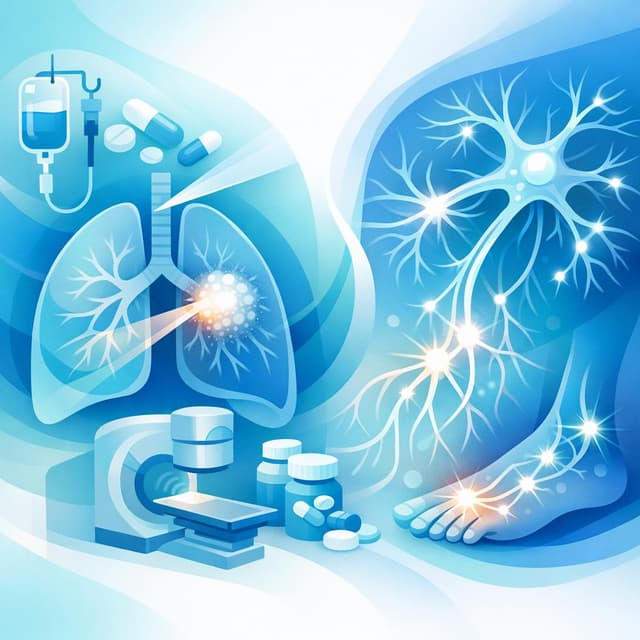
Yes numbness, tingling, burning, or “pins and needles” in the hands and feet are common after lung cancer treatments, most often due to chemotherapy-related nerve injury (chemotherapy-induced peripheral neuropathy, CIPN). [1] These symptoms can also include weakness and pain and may affect balance and fine motor tasks like buttoning clothes. [2] Some regimens used for lung cancer, such as platinum drugs (cisplatin, carboplatin) and taxanes (paclitaxel), are well known to cause neuropathy. [3] Symptoms can appear during treatment or even months after therapy ends. [4]
Why it happens
- Chemotherapy can injure peripheral nerves, leading to abnormal sensations (numbness, tingling), pain, and weakness most often in a “glove and stocking” pattern in the hands and feet. [1] These nerve changes can interfere with balance and daily activities. [2]
- Certain lung cancer regimens, such as cisplatin with etoposide (often with radiation), list numbness and tingling as expected side effects. [3]
How common is it?
Exact rates vary by drug and dose, but CIPN is described as a common side effect of chemotherapy in lung cancer care settings, particularly with platinum and taxane-based combinations. [1] Many programs include rehabilitation and symptom management because nerve problems are a frequent issue after treatment. [5]
Red flags to watch for
- Worsening numbness that spreads up the limbs or affects daily function (falls, trouble with buttons or small objects). [3]
- New weakness, burning pain, or balance problems that raise fall risk. [2]
- Symptoms that start or progress months after finishing therapy, which can still be treatment-related. [4]
If any of these occur, informing your oncology team promptly can help adjust medications and start supportive care early. [5]
Practical self-care and safety tips
- Test bath water with your elbow to prevent burns if sensation is reduced. [3]
- Use rubber gloves, pot holders, and oven mitts in the kitchen to avoid heat injury. [3]
- Wear rubber-soled shoes or boots for better traction and foot protection. [3]
- Keep floors well lit and clutter-free, and consider handrails to reduce fall risk, since balance can be affected. [2]
Medical treatments and therapies
- Medications: Clinicians may prescribe medicines to ease neuropathic discomfort and pain. [2]
- Physical and occupational therapy: Targeted exercises can maintain strength and balance, and therapists can teach strategies and tools to make daily tasks safer and easier. [2]
- Comprehensive survivorship care: Many cancer centers integrate rehab, pain management, and symptom monitoring into follow-up to address nerve issues and other late effects. [5] Some centers also offer specialized neuromodulation options when pain is difficult to control. [4]
Talking with your care team
- Ask whether your current or planned regimen (for example, platinum or taxane drugs) increases neuropathy risk and how your team will monitor it. [3]
- Report symptoms early; dose adjustments, scheduling changes, or supportive medications may reduce long-term nerve damage. [5]
- Request referrals for rehabilitation services if you notice balance or dexterity problems. [2]
Bottom line
Numbness and tingling are common, treatment-related nerve side effects in lung cancer care, especially with certain chemotherapies, and they can start during therapy or months later. [1] [4] With timely reporting, protective habits, rehabilitation, and appropriate medications, many people can lessen symptoms and protect function in daily life. [2] [5] [3]
Related Questions
Related Articles


Sources
- 1.^abcdLung Cancer Chemotherapy, Immunotherapy & Other Systemic Therapies(mskcc.org)
- 2.^abcdefghSupport for Non-Small Cell Lung Cancer(nyulangone.org)
- 3.^abcdefghPatient information - Lung cancer limited disease - Cisplatin and etoposide with radiation therapy(eviq.org.au)
- 4.^abcdCómo superar el cáncer pulmonar: rehabilitación, seguimiento médico y apoyo(mskcc.org)
- 5.^abcdeSurviving Lung Cancer: Rehab, Follow-Up Care & Support(mskcc.org)
Important Notice: This information is provided for educational purposes only and is not intended to replace professional medical advice, diagnosis, or treatment. Always consult with a qualified healthcare provider before making any medical decisions.