
 Persly Medical Team
Constipation in Breast Cancer Treatment: Management
Constipation and Breast Cancer Treatment
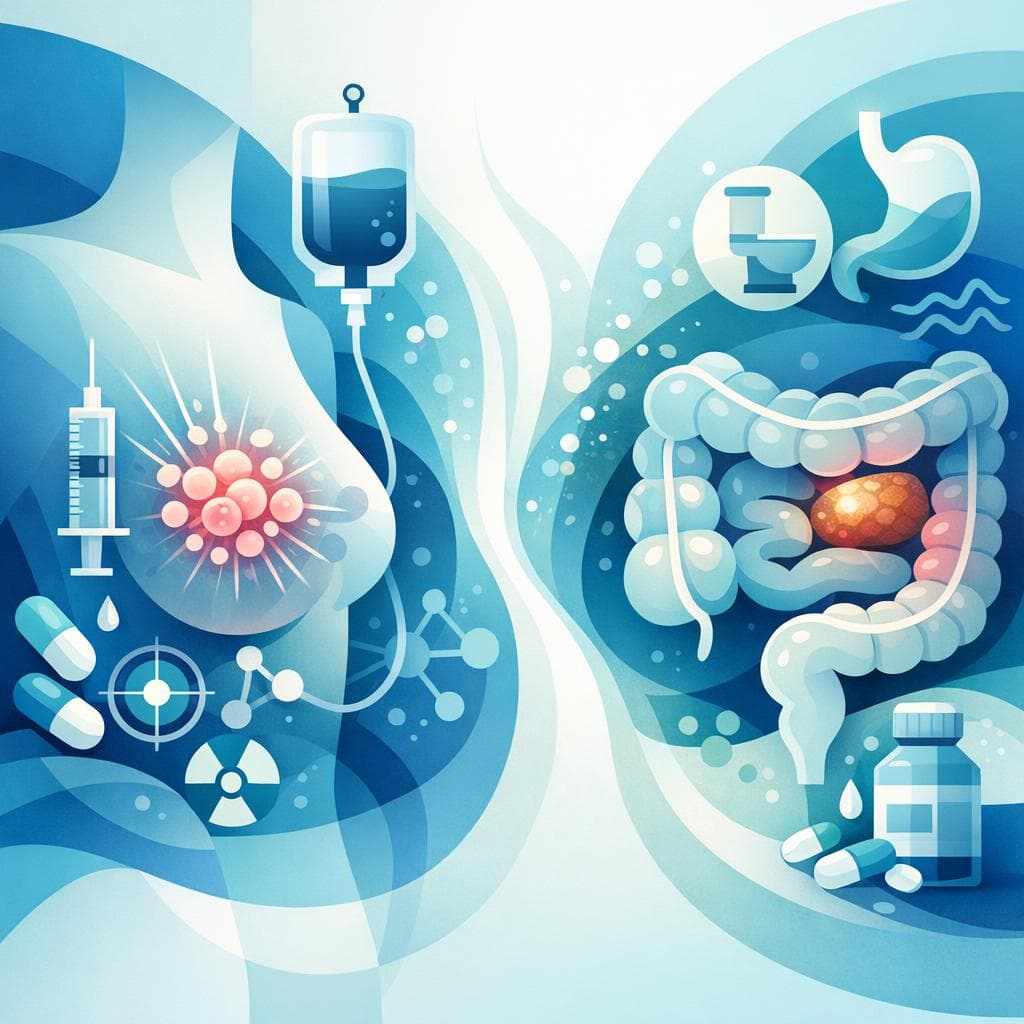
Constipation is fairly common during breast cancer treatment, especially when taking pain medications (like opioids), anti‑nausea drugs, and some chemotherapy agents. These medicines can slow bowel movement and make stools hard and difficult to pass. [1] Constipation typically means fewer bowel movements than usual for you, hard stools, or straining to pass stools. [2]
Why it happens
- Pain medicines (opioids) and anti‑nausea drugs slow the gut, leading to hard stools and less frequent bowel movements. [1] [2]
- Certain chemotherapy regimens may also contribute to constipation. [1] [2]
- Lower fluid intake, reduced activity, and diet changes during treatment can worsen constipation. [3]
First‑line self‑care
- Hydration: Aim for 8–10 cups of non‑caffeinated fluids daily if you can; warm liquids like tea can help trigger a bowel movement. [4] [3]
- Fiber: Gradually increase high‑fiber foods (beans, whole grains, fruits, vegetables, nuts, seeds) to help stool bulk and softness while minimizing gas. [5] [3]
- Gentle activity: Regular walking supports bowel motility and can ease constipation. [5]
- Routine: Try eating meals at consistent times to support a regular bowel rhythm. [3]
Safe over‑the‑counter options
- Stool softener (docusate sodium, Colace): Helps soften stool to make it easier to pass. [6] [7]
- Osmotic laxative (polyethylene glycol, MiraLAX): Draws water into stool to promote a bowel movement. [5] [7]
- Stimulant laxative (senna, Senokot): Stimulates the bowel to move stool along; often paired with a stool softener. [5] [8]
If you are taking opioids for cancer‑related pain, it’s usually helpful to start a bowel plan right away with a stimulant laxative (such as senna) with or without a stool softener to prevent constipation. [9] Stool softeners or fiber supplements alone, without another laxative, are generally not sufficient for opioid‑related constipation. [8] [9]
What to avoid
- Rectal suppositories and enemas are generally discouraged during breast cancer treatment unless your clinical team specifically advises them. [6]
When to call your care team
- No bowel movement or unable to pass gas for more than 2–3 days. [10]
- Hard stools or trouble passing stools lasting more than 3 days. [11]
- Worsening abdominal pain, vomiting, or bloating alongside constipation, which can signal a blockage or severe dehydration. [11]
Your team can adjust medications and recommend the right doses of stool softeners or laxatives, and may refer you to a dietitian for tailored nutrition support. [5] [6]
Step‑by‑step plan
- Increase fluids and add warm beverages daily. [4] [3]
- Add fiber gradually and keep moving with short walks. [5] [3]
- If no bowel movement within 24–48 hours, consider starting docusate plus senna or polyethylene glycol, as advised by your clinician. [5] [7] [8]
- If opioids are used regularly, consider a prophylactic stimulant laxative plan. [9]
- Contact your care team if constipation persists beyond 2–3 days or if concerning symptoms appear. [11] [10]
Nutrition pointers
- Choose fiber‑rich foods at each meal and snack (for example, oatmeal with fruit; bean‑based soups; whole‑grain breads; salads with nuts and seeds). [3]
- Drink enough fluids; pairing fiber with water helps prevent gas and bloating and supports stool softness. [5] [3]
Summary
Constipation can be a common side effect of breast cancer therapy, often due to pain and anti‑nausea medicines and sometimes chemotherapy. [1] [2] Most people can manage it with hydration, fiber, gentle activity, and appropriate use of stool softeners and laxatives under clinician guidance, especially when opioids are part of care. [4] [5] [6] [8] [9] Always reach out to your team if symptoms last more than a few days or if you develop warning signs. [11] [10]
궁금한 점 있으면 언제든 퍼슬리에 물어보세요.
Related Questions
Related Articles


Sources
- 1.^abcdAdjuvant Therapy for Breast Cancer: What It Is, How To Manage Side Effects, and Answers to Common Questions(mskcc.org)
- 2.^abcdNeoadjuvant Therapy for Breast Cancer: What It Is, How To Manage Side Effects, and Answers to Common Questions(mskcc.org)
- 3.^abcdefghEating Well During Your Cancer Treatment(mskcc.org)
- 4.^abcTreatment for Advanced Breast Cancer(mskcc.org)
- 5.^abcdefghiTreatment for Advanced Breast Cancer(mskcc.org)
- 6.^abcdAdjuvant Therapy for Breast Cancer: What It Is, How To Manage Side Effects, and Answers to Common Questions(mskcc.org)
- 7.^abcManaging Your Chemotherapy Side Effects(mskcc.org)
- 8.^abcdCDC Clinical Practice Guideline for Prescribing Opioids for Pain — United States, 2022(cdc.gov)
- 9.^abcdCDC Clinical Practice Guideline for Prescribing Opioids for Pain — United States, 2022(cdc.gov)
- 10.^abcالسيطرة على الأعراض الجانبية للعلاج الكيماوي(mskcc.org)
- 11.^abcdTreatment for Advanced Breast Cancer(mskcc.org)
Important Notice: This information is provided for educational purposes only and is not intended to replace professional medical advice, diagnosis, or treatment. Always consult with a qualified healthcare provider before making any medical decisions.