
 Persly Medical Team
Based on PubMed | Is back pain a symptom of testicular cancer?
Back pain can be a symptom of testicular cancer, typically when it has spread to retroperitoneal lymph nodes. It is less common than a testicular lump, but persistent unexplained back pain especially in young men or with groin/scrotal symptoms should prompt a testicular exam and appropriate testing.
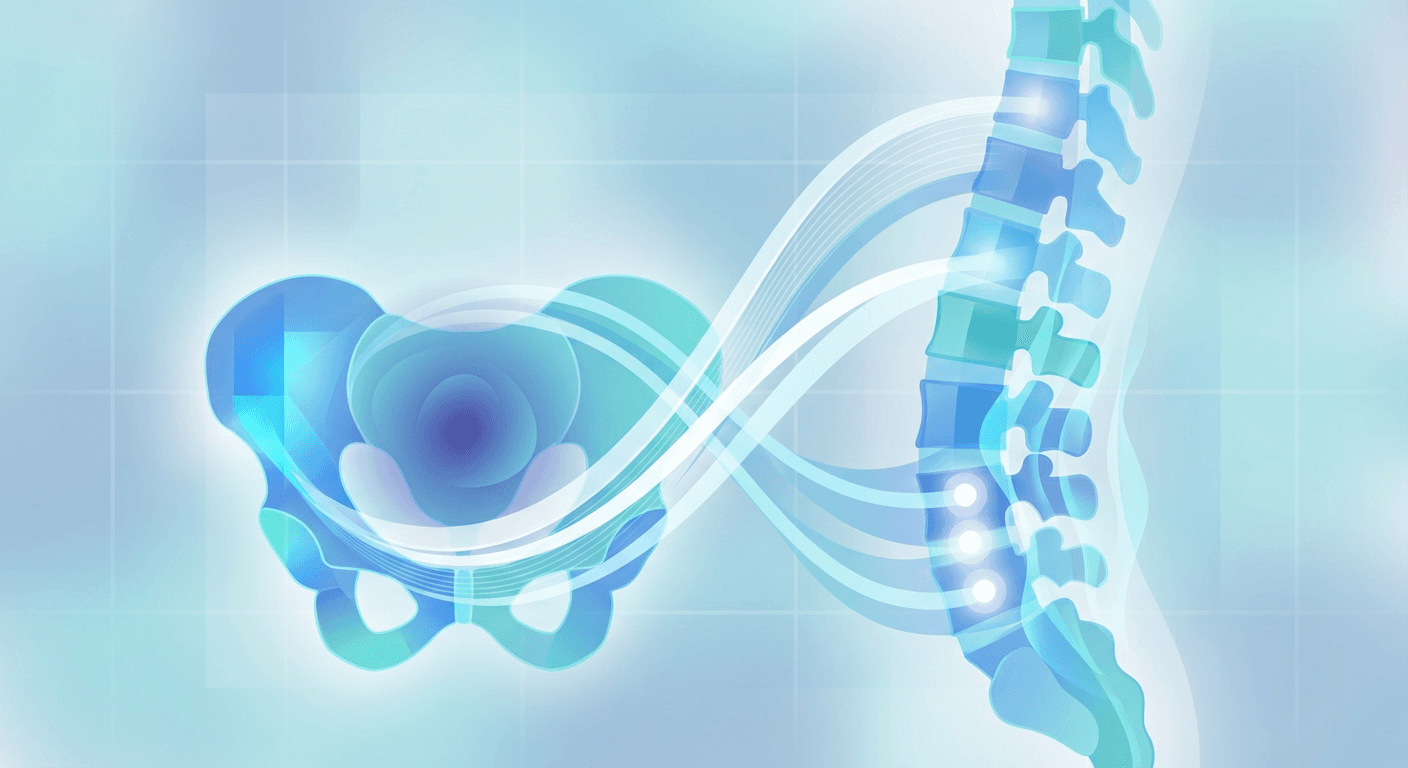
Yes, back pain can be a symptom of testicular cancer, especially when the disease has spread to lymph nodes in the back of the abdomen (retroperitoneal nodes). [1] Back pain is less common than a testicular lump or swelling, but it is recognized as a possible sign, particularly in more advanced disease. [2] Back pain may also appear along with lower abdominal or groin discomfort and a feeling of heaviness in the scrotum. [3]
How testicular cancer causes back pain
Testicular cancer often spreads first to lymph nodes located deep in the abdomen along the aorta (para‑aortic nodes). [4] When these nodes enlarge, they can irritate nearby nerves and tissues, producing persistent or dull back pain that may feel worse when lying flat and somewhat relieved by sitting forward. [5] In clinical series, young men presenting primarily with back pain often had para‑aortic lymph node metastases, and some did not have obvious testicular swelling at first. [4] This pattern means that unexplained back pain in young men deserves a brief testicular exam and consideration of cancer markers or imaging if other signs suggest testicular disease. [4] [5]
Common symptoms to watch for
- A new lump or swelling in one testicle (often painless). [1]
- A feeling of heaviness in the scrotum. [1]
- A dull ache in the lower abdomen or groin. [1]
- Sudden fluid buildup or swelling in the scrotum. [1]
- Testicular or scrotal pain or discomfort. [1]
- Breast tissue enlargement or tenderness (gynecomastia). [1]
- Back pain, especially if persistent or accompanied by other testicular or groin symptoms. [1] [3]
Men with more advanced testicular cancer may also notice pain in the abdomen, back, or flank. [2] Back or lower abdominal pain is listed among recognized symptoms in medical references. [3]
How common is back pain as a presenting symptom?
While exact numbers vary by study, back pain is a recognized but less frequent first symptom. [2] In one clinical report, about one in five young men with testicular germ cell tumors presented with back pain as a major symptom, and all of those had para‑aortic node metastases. [4] Because this presentation can delay diagnosis, clinicians recommend assessing testicular health in young men with unexplained persistent back pain. [4] [5]
When to seek medical care
- If you notice any testicular lump or swelling even if it’s painless seek prompt medical evaluation. [1]
- If you have persistent back pain without a clear cause, particularly if you are a younger man (teens to 40s), consider discussing a testicular exam and, if indicated, imaging or tumor markers with your clinician. [4] [5]
- If back pain occurs with groin ache, scrotal heaviness, or testicular discomfort, the combination warrants timely assessment. [1] [3]
Key takeaways
- Back pain can be a symptom of testicular cancer, most often due to spread to retroperitoneal lymph nodes. [1] [3]
- It is less common than a testicular lump, but important because it can lead to delayed diagnosis if not recognized. [4]
- Persistent, unexplained back pain in young men should prompt attention to possible testicular disease, including a physical exam and appropriate tests. [4] [5]
FAQs
Is back pain alone enough to suspect testicular cancer?
Back pain alone is not specific and has many benign causes, but in the right context young age, persistent pain, or any testicular changes it should raise awareness and lead to a careful exam. [4] [5]
What other areas might hurt if testicular cancer spreads?
Men with more advanced disease may feel pain in the abdomen, back, or flank due to enlarged lymph nodes or, less commonly, spread to bones. [2] [3]
Do I need imaging or blood tests?
If symptoms suggest testicular cancer, clinicians may order scrotal ultrasound, and blood tests for tumor markers (such as AFP, β‑hCG, LDH), and possibly CT scans to assess lymph nodes. These steps are considered when physical findings or symptom patterns warrant further evaluation. [5]
Back pain can be part of the symptom spectrum of testicular cancer, especially with retroperitoneal lymph node involvement. [1] Recognizing the combination of testicular changes and persistent back pain can help achieve earlier diagnosis and better outcomes. [3] [4] [5]
Related Questions
Related Articles


Sources
- 1.^abcdefghijklTesticular cancer - Symptoms and causes(mayoclinic.org)
- 2.^abcdTypes of Testicular Cancer(nyulangone.org)
- 3.^abcdefgTesticular cancer: MedlinePlus Medical Encyclopedia(medlineplus.gov)
- 4.^abcdefghijBack pain--a presentation of metastatic testicular germ cell tumours.(pubmed.ncbi.nlm.nih.gov)
- 5.^abcdefghPersistent back pain due to malignant lymphadenopathy.(pubmed.ncbi.nlm.nih.gov)
Important Notice: This information is provided for educational purposes only and is not intended to replace professional medical advice, diagnosis, or treatment. Always consult with a qualified healthcare provider before making any medical decisions.