
 Persly Medical Team
Is Weight Gain a Symptom of Stomach Cancer?
Is Weight Gain a Symptom of Stomach Cancer?
Weight gain is not a common symptom of stomach (gastric) cancer. Unintentional weight loss, early fullness, nausea, pain, and vomiting are typical symptoms. [1] Weight loss, fatigue, and weakness are especially common in advanced disease. [2] Common symptom lists for stomach cancer emphasize unexplained weight loss and decreased appetite rather than weight gain. [3]
When “Weight Gain” Happens
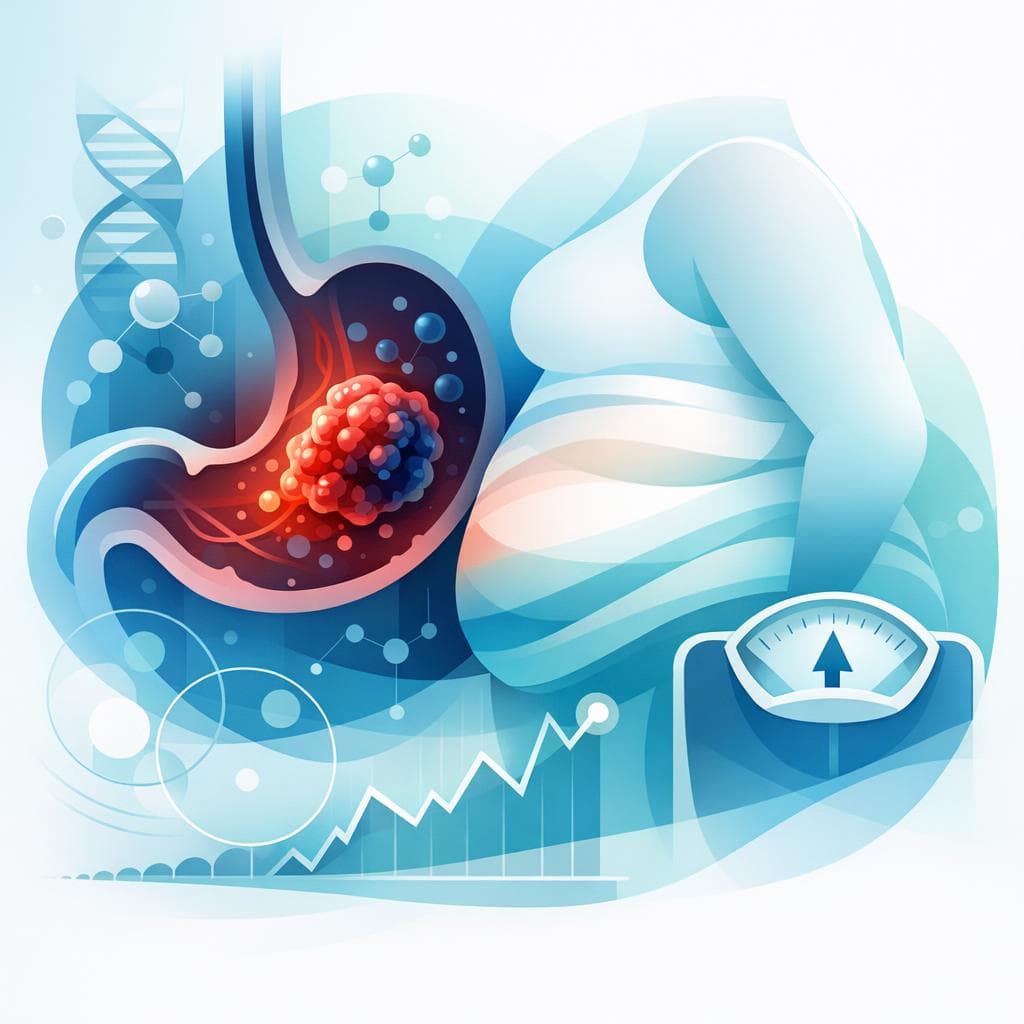
Apparent weight gain in gastric cancer is often due to fluid accumulation rather than true fat gain. [3] When cancer spreads to the lining of the abdomen (peritoneum), fluid can build up in the belly (ascites), causing visible abdominal swelling and an increase on the scale. [4] Ascites and abdominal bloating are recognized signs in advanced stomach cancer and peritoneal spread. [5] [6]
Common Symptoms to Watch
- Early satiety (feeling full quickly), bloating after meals, indigestion, nausea, vomiting, and stomach pain are typical presentations. [1]
- Unintentional weight loss and reduced appetite occur frequently. [3]
- Stage 4 disease more often brings worsening weight loss, fatigue, and weakness. [2]
Why Ascites Causes “Weight Gain”
Ascites is fluid buildup in the abdominal cavity, making the abdomen look and feel swollen and heavier. [4] Stomach cancer spreading to the liver or peritoneum can trigger this fluid accumulation and related symptoms. [3] [4]
Other Reasons for Weight Gain During Cancer Care
Outside of tumor-related fluid, some people may gain weight during treatment due to lifestyle and metabolic changes (for example, fatigue reducing activity and increased intake of carbohydrate-rich, sugary foods to manage nausea). [7] These patterns are observed across oncology care and can contribute to gradual fat gain. [8]
How to Differentiate Fluid vs. True Weight Gain
Signs of fluid (ascites):
- Rapid abdominal enlargement, bloating, tight clothes around the waist. [4]
- Shortness of breath or discomfort from pressure in the abdomen. [4]
Signs of true weight gain:
- Gradual increase in body weight with proportional changes across the body, often related to decreased activity or dietary shifts. [7] [8]
A clinician can confirm ascites with physical exam, ultrasound, or CT, and assess for spread to the peritoneum or liver. [4] [3]
Management: If Ascites Is the Cause
Medical management focuses on treating the underlying cancer and relieving fluid. [4]
- Paracentesis (drainage of fluid) can temporarily reduce abdominal pressure and improve comfort. [4]
- Diuretics may be tried in selected cases, guided by your oncology team. [4]
- Oncologic treatment (systemic therapy, targeted approaches) may reduce further fluid formation when effective against the cancer. [4]
Because ascites can reflect advanced disease, regular symptom monitoring and supportive care are important. [2] [5]
Management: If Lifestyle Weight Gain During Treatment
Nutrition and activity strategies can help prevent or reverse non-fluid weight gain:
- Choose balanced meals and limit excess sugars and refined carbohydrates, which are often increased to ease nausea. [7] [8]
- Stay physically active within your energy limits to maintain muscle and metabolism. [7]
- Eat small, frequent meals if early fullness is present, taking most liquids between meals to avoid getting full too quickly. [9]
- Prioritize protein and energy-dense, nutrient-rich foods to maintain strength without overeating low‑quality calories. [9]
- Consult a clinical dietitian for tailored plans that respect treatment side effects and digestive comfort. [10]
Managing Early Fullness and Intake in Gastric Cancer
Early satiety is common; it can reduce intake and lead to poor nutrition even without weight loss. Practical tips include small, frequent meals, liquids between meals, and boosting calories and protein in modest portions. [9] These steps aim to maintain weight and strength while reducing discomfort after eating. [9]
Key Takeaways
- Weight gain is not typical in stomach cancer; unexplained weight loss is far more common. [1] [3]
- If the scale rises with a swollen belly, ascites is a likely cause and needs medical evaluation. [4] [5]
- Lifestyle-related weight gain may occur during treatment due to reduced activity and higher intake of simple carbs and sugary drinks. [7] [8]
- Work with your oncology team and a dietitian to distinguish the cause and apply targeted management, from fluid drainage to nutrition and activity plans. [4] [10] [9]
Related Questions
Related Articles


Sources
- 1.^abcWhat is stomach cancer? A Mayo Clinic expert explains(mayoclinic.org)
- 2.^abcStomach (Gastric) Cancer Symptoms(mskcc.org)
- 3.^abcdefStomach Cancer(stanfordhealthcare.org)
- 4.^abcdefghijklStomach (Gastric) Cancer Symptoms(mskcc.org)
- 5.^abcStomach (Gastric) Cancer Symptoms(mskcc.org)
- 6.^↑Stomach (Gastric) Cancer Symptoms(mskcc.org)
- 7.^abcdeTreatment for Advanced Breast Cancer(mskcc.org)
- 8.^abcdTreatment for Advanced Breast Cancer(mskcc.org)
- 9.^abcdeLa alimentación apropiada durante su tratamiento contra el cáncer(mskcc.org)
- 10.^abTreatment for Advanced Breast Cancer(mskcc.org)
Important Notice: This information is provided for educational purposes only and is not intended to replace professional medical advice, diagnosis, or treatment. Always consult with a qualified healthcare provider before making any medical decisions.