
 Persly Medical Team
Memory loss in stomach cancer: causes and care
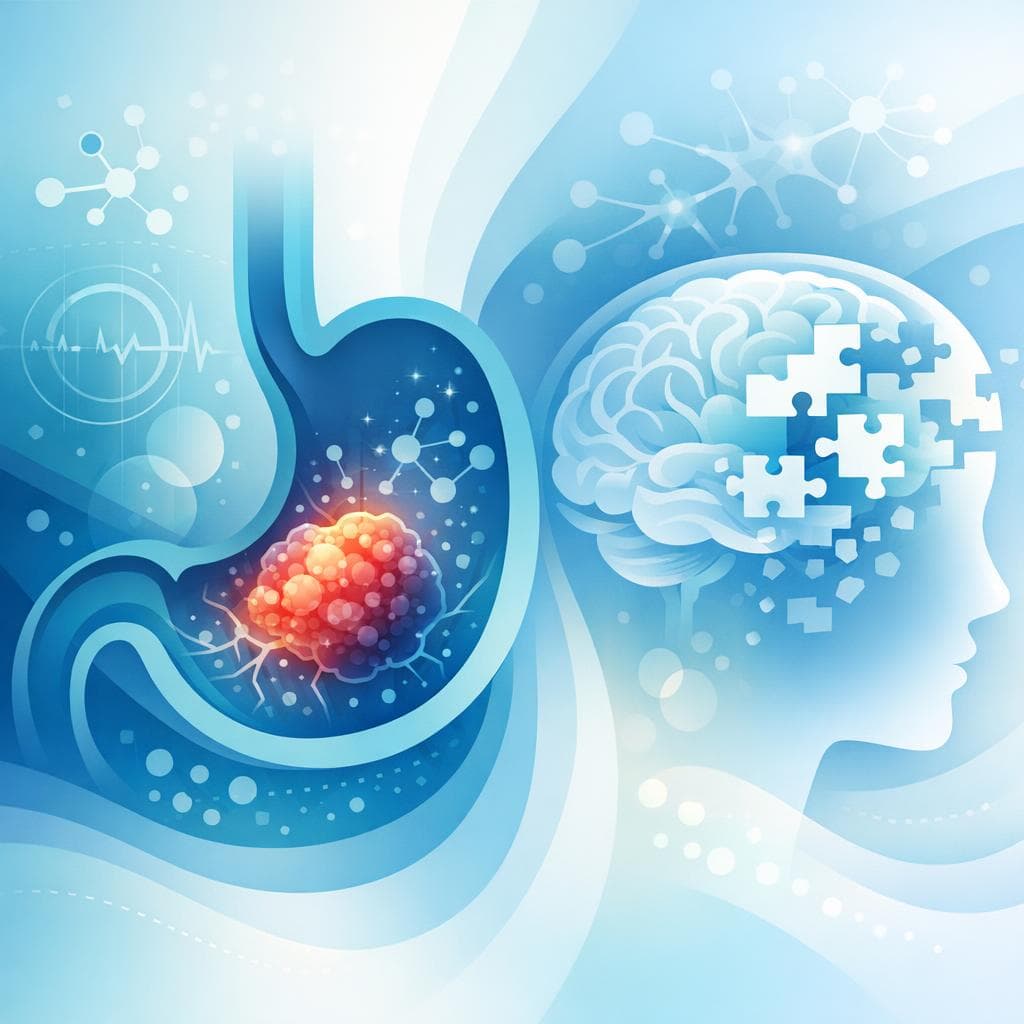
Is Memory Loss a Common Symptom of Stomach Cancer? Causes and Management
Memory loss is not a common direct symptom of stomach (gastric) cancer itself; typical stomach cancer symptoms involve digestive issues such as indigestion, nausea, early fullness, weight loss, and fatigue. [1] Early-stage stomach cancer often causes few or nonspecific gastrointestinal symptoms, which is why diagnosis can be difficult. [2] In advanced disease, symptoms reflect spread to organs like the liver or peritoneum rather than the brain, and cognitive changes are not listed among the usual stomach cancer symptom profiles. [3] [4]
Why Might Memory Problems Occur?
Several factors related to cancer and its care can lead to cognitive changes (often called “chemo brain”), including trouble with attention, processing speed, word-finding, and short‑term memory. [5] Cognitive changes can arise before, during, or after treatment and may be subtle or noticeable. [6]
- Cancer treatments: Chemotherapy, hormone therapies, and radiation (especially to the head/neck or whole body) can contribute to memory and concentration difficulties. [7] [5]
- Medications: Common supportive drugs (pain meds, anti‑nausea agents, antibiotics, immunosuppressants, antidepressants, antianxiety medicines, sleep medicines, steroids) can affect thinking. [7]
- Cancer‑related conditions: Anemia, sleep problems, fatigue, mood changes (depression/anxiety), and infections can worsen cognitive function. [8]
- Stress and emotional burden: Stress related to diagnosis and treatment may reduce attention and memory. [9]
- Less common causes: Paraneoplastic neurologic syndromes (immune‑mediated effects of cancer on the nervous system) can affect the limbic system and cause memory loss and mood changes; these typically develop quickly and may precede cancer diagnosis, but they are uncommon overall. [10] [11] Sometimes treating the cancer and the immune system helps, but injury can be permanent in some cases. [12]
Is Memory Loss a Sign of Brain Spread?
Stomach cancer most commonly spreads to the liver, peritoneum, lungs, and regional structures; routine symptom lists do not highlight brain metastases as typical for gastric cancer. [3] [2] If new rapidly worsening memory loss occurs with neurological symptoms (confusion, seizures, severe headaches, vision changes), evaluation for other causes including rare brain involvement or paraneoplastic syndromes may be considered. [10] [11]
What Does Cancer‑Related Cognitive Change Feel Like?
People may notice difficulty paying attention, slowed thinking, multitasking challenges, learning and recalling new information, and word‑finding problems. [6] These changes vary by person and can be short‑lived or longer‑lasting depending on the cause. [9]
How Is It Assessed?
A clinician may review your treatments, medications, sleep, mood, and medical conditions, then recommend cognitive testing to clarify causes and guide management. [5] Evaluating reversible contributors (anemia, infection, medication effects, depression, insomnia) is a key first step. [8]
Management Strategies
Evidence‑based care focuses first on addressing underlying contributors and using non‑drug approaches; drug treatments have not consistently shown clear benefit for chemotherapy‑related cognitive impairment. [13]
Optimize Medical Factors
- Treat anemia, infections, pain, depression/anxiety, insomnia, and malnutrition where present. [8] [13]
- Review and adjust medications that may impair cognition when clinically appropriate. [7]
Lifestyle and Rehabilitation
- Physical exercise is encouraged; it may help limit or prevent cognitive impairment. [13]
- Sleep hygiene: regular sleep schedule, limit caffeine late in the day, and address sleep disorders. [8]
- Cognitive strategies: use planners, reminders, break tasks into steps, reduce multitasking, and schedule demanding tasks when you feel most alert. [6]
- Stress management: relaxation techniques, mindfulness, counseling, or support groups can reduce cognitive load. [9]
When to Seek Urgent Care
Seek prompt evaluation for rapid onset memory loss, seizures, hallucinations, profound confusion, or new neurologic deficits, as these may suggest paraneoplastic syndromes or other acute neurologic conditions. [10] [11] Treating the cancer and the immune‑mediated process may prevent further damage and improve symptoms in some cases. [12]
What to Expect Over Time
Depending on the cause, symptoms may improve gradually after treatment ends or persist; patterns vary widely among individuals. [9] A tailored plan addressing medical contributors, optimizing sleep, mood, and activity, and using practical cognitive supports often provides meaningful improvement in day‑to‑day function. [13] [6]
Typical Stomach Cancer Symptoms (Context)
For clarity, common stomach cancer symptoms include indigestion, stomach discomfort, nausea/vomiting, early satiety, bloating, appetite loss, unexplained fatigue, and weight loss, with advanced symptoms depending on where the cancer has spread. [1] [3] Early disease may have few or vague symptoms, complicating timely diagnosis. [2] [4]
Summary Table: Memory Loss and Stomach Cancer
| Topic | Key Points |
|---|---|
| Is memory loss typical of stomach cancer? | Not typical; stomach cancer mainly causes digestive and systemic symptoms. [1] [2] [3] |
| Common reasons for memory issues in cancer | Chemo/hormone therapy effects, radiation, medications, anemia, sleep problems, fatigue, mood changes, infections, stress. [5] [7] [8] [9] |
| Rare neurologic causes | Paraneoplastic syndromes affecting the limbic system can cause memory loss and mood changes; may develop quickly. [10] [11] [12] |
| Assessment | Clinical review plus cognitive testing to identify causes and guide care. [5] |
| Management | Treat underlying issues; emphasize exercise, sleep, cognitive strategies; drug therapies have not proven consistently beneficial. [13] [8] [6] |
Related Questions
Related Articles


Sources
- 1.^abcStomach (Gastric) Cancer Symptoms(mskcc.org)
- 2.^abcdStomach (Gastric) Cancer(mskcc.org)
- 3.^abcdStomach (Gastric) Cancer Symptoms(mskcc.org)
- 4.^abDiagnosing Stomach Cancer(nyulangone.org)
- 5.^abcdeCognitive Changes from Cancer Treatment(mskcc.org)
- 6.^abcdeCognitive Changes from Cancer Treatment(mskcc.org)
- 7.^abcdManaging Cognitive Changes(mskcc.org)
- 8.^abcdefManaging Cognitive Changes(mskcc.org)
- 9.^abcdeCognitive Changes from Cancer Treatment(mskcc.org)
- 10.^abcdParaneoplastic syndromes of the nervous system - Symptoms and causes(mayoclinic.org)
- 11.^abcdParaneoplastic syndromes of the nervous system - Symptoms and causes(mayoclinic.org)
- 12.^abcParaneoplastic syndromes of the nervous system - Symptoms and causes(mayoclinic.org)
- 13.^abcde1833-Cognitive changes (chemo fog) | eviQ(eviq.org.au)
Important Notice: This information is provided for educational purposes only and is not intended to replace professional medical advice, diagnosis, or treatment. Always consult with a qualified healthcare provider before making any medical decisions.