
 Persly Medical Team
Is back pain a symptom of stomach cancer? Causes and care
Is Back Pain a Common Symptom of Stomach Cancer?
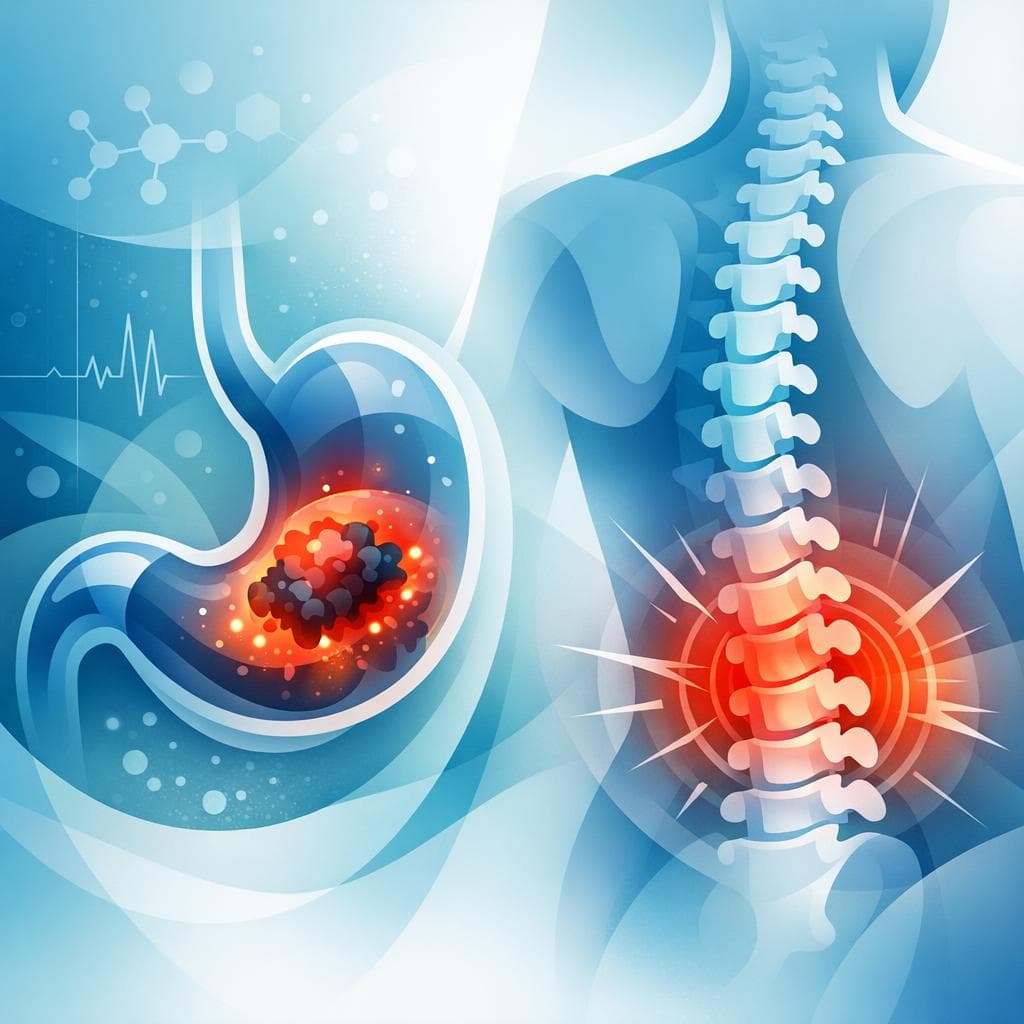
Back pain is not a common early symptom of stomach (gastric) cancer. It tends to appear, if at all, in more advanced stages when the cancer spreads (metastasizes) or causes complications that affect other areas. In earlier stages, stomach cancer more often causes persistent indigestion, stomach discomfort, bloating after meals, nausea, loss of appetite, and fatigue. [1] In later stages, symptoms like weight loss without trying, stomach pain (often after meals), vomiting, and anemia become more typical. [2] When stomach cancer spreads, symptoms usually depend on where it has gone; for example, spread to the liver can cause right‑sided abdominal pain and jaundice, and spread to bones can cause pain in those areas, which may be felt in the back if spinal bones are involved. [3] [4]
When and Why Back Pain Can Occur
- Spread to bones: If cancer involves the spine or pelvic bones, it can cause localized or radiating back pain. [4]
- Peritoneal spread and abdominal pressure: Spread to the lining of the abdomen (peritoneum) can cause bloating and fluid build‑up (ascites), which may create a sense of pressure or diffuse pain that some people feel in the back. [5]
- Nearby organ involvement: While specific to pancreatic cancer, lower back pain is a classic example of how tumors in the upper abdomen can refer pain to the back by pressing on nerves or the spine; a similar mechanism can occur if gastric cancer grows into nearby structures. [6]
- General advanced cancer symptoms: As cancer progresses, pain, fatigue, and weakness become more common overall. [7]
In short, back pain by itself is much more often due to musculoskeletal causes, but in someone with known stomach cancer or with other warning signs like unexplained weight loss, persistent stomach pain after meals, vomiting, black stools, or anemia it may warrant evaluation for spread or complications. [8] [2]
Red Flags That Need Prompt Medical Review
- Unintentional weight loss, persistent vomiting, black or tarry stools, or vomiting blood. [8]
- Constant or worsening stomach pain, especially after meals. [2]
- New jaundice (yellowing of skin/eyes) or a noticeable lump due to lymph node involvement. [8]
- New, persistent, or severe back pain in someone diagnosed with stomach cancer, especially if it’s nocturnal, progressively worsening, or associated with neurological symptoms. [4]
How Back Pain Is Managed if Related to Stomach Cancer
Management is individualized and often combines medications with supportive interventions to maintain comfort and function.
Medications
- Stepwise pain control: Non‑opioids (e.g., acetaminophen), then opioids for moderate to severe cancer‑related pain, guided by a pain specialist when needed. This approach is standard in cancer pain care to keep you as comfortable as possible. [9]
- Adjuvant agents: Drugs for nerve‑related pain or muscle spasm may be added as appropriate as part of supportive care. [9]
Interventional and Supportive Options
- Targeted procedures: Depending on the pain source, options like nerve blocks (e.g., celiac plexus block for upper abdominal cancer pain) may be considered by pain specialists to reduce pain signals. This is part of comprehensive supportive cancer care to relieve symptoms. [9]
- Physical therapy and rehabilitation: Helps preserve strength, balance, and mobility, reducing how much pain limits daily activity. [10]
- Oncology treatments for source control: When appropriate, systemic therapy, radiation, or surgery may be used to reduce tumor burden and pain secondary to spread or compression; these decisions are individualized by the oncology team. [9]
- Ongoing supportive care: A dedicated supportive care team focuses on pain, nausea, fatigue, and overall quality of life during and after treatment. [11]
Practical Steps If You’re Experiencing Back Pain
- Track patterns: Note timing (e.g., at night, after meals), severity, and any associated symptoms (nausea, weight loss, black stools). This helps your clinician decide on next steps. [12]
- Seek evaluation if red flags are present or pain is persistent: Imaging and labs may be needed to check for spread to bones, liver, or peritoneum when clinically suspected. [8] [3]
- Ask for a pain plan: A personalized plan medications, supportive therapies, and, when suited, procedures can substantially improve comfort during treatment. [11] [9]
Quick Reference: Symptoms and What They Suggest
| Symptom | How common in early stomach cancer | What it may suggest if present |
|---|---|---|
| Persistent indigestion, stomach discomfort, bloating after meals | Relatively common early | Local stomach involvement; warrants evaluation if persistent. [1] |
| Weight loss without trying, vomiting after meals, black stools, anemia | More common in later stages | Advanced disease or bleeding; needs prompt assessment. [2] [8] |
| Back pain | Uncommon early | Consider other common causes; in known cancer, evaluate for spread or complications. [4] [8] |
| Right‑sided abdominal pain with jaundice | Not early‑typical | Possible liver involvement if cancer has spread. [3] |
| Bone pain (including spine) | Not early‑typical | Possible bone metastasis. [4] |
Bottom Line
- Back pain is not a typical early sign of stomach cancer, and when it does occur in this context, it’s more often linked to advanced disease or spread. [1] [2]
- The exact cause can include bone metastases, peritoneal spread with abdominal pressure, or involvement of nearby structures causing referred pain. [4] [5] [6]
- Effective management usually blends medications, supportive care, targeted procedures, and, when appropriate, cancer‑directed treatments to control the source. [9] [11]
If you have persistent back pain along with concerning digestive symptoms or a history of stomach cancer, it’s reasonable to seek timely medical evaluation to clarify the cause and tailor pain management. [8] [2]
Related Questions
Related Articles


Sources
- 1.^abcStomach (Gastric) Cancer Symptoms(mskcc.org)
- 2.^abcdefStomach (Gastric) Cancer Symptoms(mskcc.org)
- 3.^abcStomach (Gastric) Cancer Symptoms(mskcc.org)
- 4.^abcdefStomach (Gastric) Cancer Symptoms(mskcc.org)
- 5.^abStomach (Gastric) Cancer Symptoms(mskcc.org)
- 6.^abPancreatic Cancer Symptoms & Signs | Memorial Sloan Kettering Cancer Center(mskcc.org)
- 7.^↑Stomach (Gastric) Cancer Symptoms(mskcc.org)
- 8.^abcdefgStomach cancer - Symptoms and causes(mayoclinic.org)
- 9.^abcdefStomach cancer - Diagnosis and treatment(mayoclinic.org)
- 10.^↑Support for Stomach Cancer(nyulangone.org)
- 11.^abcStomach Cancer Treatment(mskcc.org)
- 12.^↑Stomach cancer - Diagnosis and treatment(mayoclinic.org)
Important Notice: This information is provided for educational purposes only and is not intended to replace professional medical advice, diagnosis, or treatment. Always consult with a qualified healthcare provider before making any medical decisions.